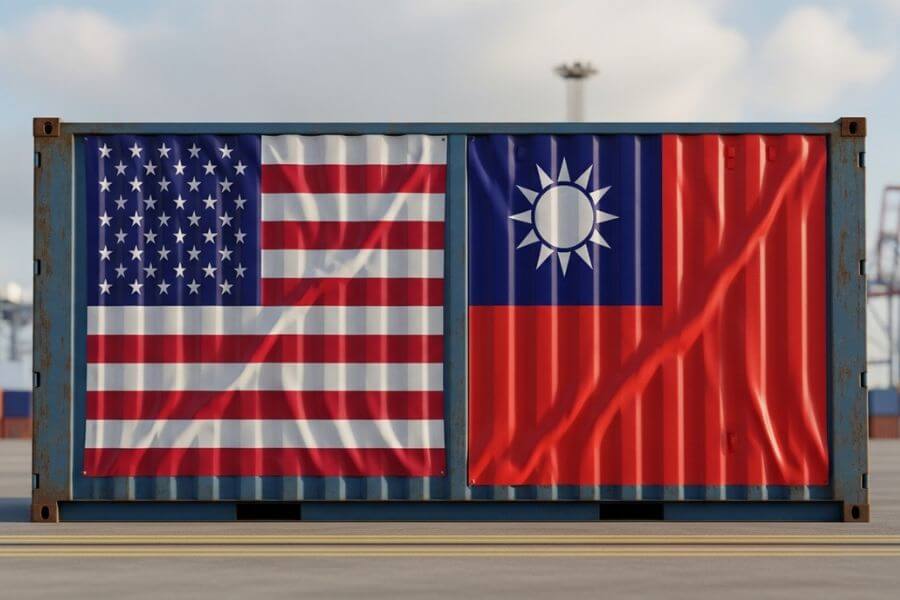
The United States and Taiwan share one of the most dynamic trade relationships in the world. In 2024, two‑way goods trade between the U.S. and Taiwan reached approximately US$158.8 billion, up 22 percent from the previous year. This surge underscores how deeply integrated both economies are, particularly in high-tech industries. While trade encompasses a vast array of products, certain goods dominate the bilateral flow. Drawing on data from sources like the U.S. International Trade Commission (USITC), U.S. Census, and USDA, here are the top 10 most traded goods between the U.S. and Taiwan and why they matter.
1. Computer & Electronic Products
Undoubtedly, computer and electronic products top the list. This category, which includes integrated circuits (semiconductors), microassemblies, computer parts, and related goods, represents the backbone of U.S.-Taiwan trade. According to a USITC report, this segment accounted for up to 48 percent of U.S. merchandise imports from Taiwan in recent years. Taiwan is globally renowned for its semiconductor capacity, especially through companies like TSMC, and many of these high-value electronic goods flow directly into U.S. supply chains, fueling sectors such as computing, telecommunications, data centers, and AI.
These exports from Taiwan are not just high in volume; they’re high in value. The dominance of semiconductors and computer parts underscores how strategic Taiwan is to global tech manufacturing. For the U.S., importing these components helps meet demand for devices ranging from PCs and servers to smart devices, making this category the single most important in the bilateral trade relationship.
2. Machinery and Mechanical Appliances
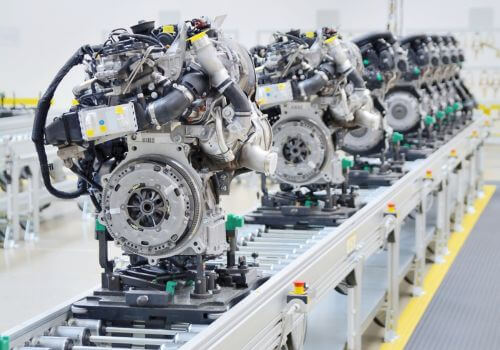
Beyond just electronics, machinery and mechanical appliances play a major role. According to U.S. trade data, this sector contributed significantly to U.S. imports from Taiwan. These goods include industrial machines, manufacturing equipment, tools, and even parts of automated systems.
Why is this category prominent? Taiwan’s industrial base has evolved over decades to build precision machinery not just for electronics, but for broader manufacturing applications. U.S. companies import these mechanical systems to either incorporate into their operations or to use as critical capital goods. At the same time, American machinery (from heavy equipment to specialized manufacturing tools) gets exported to Taiwanese firms, supporting Taiwan’s advanced manufacturing ecosystem. This two-way flow in machinery underscores a complementary industrial relationship.
3. Fabricated Metal Products
Fabricated metal products, such as metal structures, sheet metal parts, fasteners, and custom metal assemblies, also make up one of the top traded categories. According to the USITC, this sector has averaged around 10 percent of total U.S. imports from Taiwan over time.
These goods are essential in myriad industries from electronics casing and computer chassis to aerospace and automobiles. Taiwan’s high-quality metal fabrication capabilities allow it to produce precision components, which U.S. firms rely on for assembling finished goods. On the flip side, the U.S. exports some of its advanced metalworking machinery back to Taiwan, reinforcing the interdependence.
4. Plastics & Rubber Products
Another key category is plastics and rubber. According to a working paper by the USITC, plastics and rubber made up a notable share of Taiwan’s exports, with polyacetals, polyethers, and epoxide resins being among the most prominent. These materials are critical for molding parts used in electronic housings, connectors, and insulation.
From the U.S. perspective, plastics and rubber products also flow into Taiwan either as raw materials or semi-finished components, enabling Taiwanese manufacturers to produce high-tech consumer goods, medical devices, and industrial parts. The trade in this category reflects not just basic commodity trade but sophisticated polymer trade aligned with modern manufacturing.
5. Chemical Products (Organic Chemicals, etc.)
Chemical products, including organic chemicals, play a strong role in U.S.-Taiwan trade. According to the USITC overview of Taiwanese exports, chemical products represented around 5 percent of Taiwan’s total exports. These include specialty chemicals, plastics precursors, and industrial intermediates used in electronics, pharmaceuticals, and other advanced sectors.
These specialty chemicals usually feed into high-tech value chains such as semiconductor manufacturing, where ultra-pure chemicals are needed, or in coatings and adhesives used in electronics. The U.S. both imports and exports these chemical products, making this category a vital part of the bilateral trade ecosystem.
6. Mineral Fuels (Oil & Gas)
While Taiwan is not a major oil exporter, mineral fuels, including petroleum products, appear in its top export categories globally. For the U.S.-Taiwan trade relationship, this might seem less intuitive, but energy-related products still matter in certain contexts, especially for chemical feedstocks or processed fuels used in industrial applications.
In practice, Taiwan relies heavily on energy imports for its domestic consumption, but its export of some refined or processed hydrocarbon products can be part of trade dynamics. On the U.S. side, energy-related goods might not dominate the bilateral trade in terms of value as much as high-tech goods, but they remain in the mix, especially as Taiwan’s economy continues to grow and modernize.
7. Optical, Technical, & Medical Instruments
Optical, technical, and medical apparatus are another leading category. Precision instruments: microscopes, medical diagnostic devices, optical sensors, and measurement tools are part of this group. According to world trade data, this sector is a top-ten category in Taiwan’s exports.
The trade in these goods reflects how Taiwan’s high-precision manufacturing capability aligns with U.S. demand for complex scientific and medical equipment. Many of these devices are used in research labs, hospitals, and high-tech manufacturing facilities both in Taiwan and the U.S. It also underscores the advanced nature of bilateral trade, not just consumer electronics, but specialized technical instruments.
8. Vehicles & Transportation Equipment
Vehicles and transportation equipment (though not as large as electronics) are still among Taiwan’s significant export categories globally. While Taiwan is not a major exporter of passenger cars, parts and components such as automotive electronics, specialized components, and transportation machinery feature in trade with the U.S.
Moreover, the U.S. exports certain transportation-related machinery and vehicle parts to Taiwan. This exchange contributes to Taiwan’s automotive and mobility manufacturing base, especially in light of global transitions toward electric vehicles and smart transportation. Though not the single dominant category, traded vehicles and components illustrate a diversified trade relationship.
9. Agricultural Products (Beef, Soybeans, Corn, etc.)
On the U.S. export side, agricultural products are a standout. According to USDA data, the U.S. exported US$3.8 billion worth of agricultural goods to Taiwan in 2024. The top items included beef (US$709 million), soybeans (US$601 million), corn (US$384 million), wheat (US$325 million), fresh fruit (US$262 million), and poultry (US$262 million).
This agricultural trade is particularly significant because it underscores how Taiwan, despite its technological export orientation, still depends on the U.S. for key food supplies. For American farmers and agribusinesses, Taiwan represents a premium market, especially for high-value, consumer-oriented items like beef and fresh fruit. This trade helps bridge the gap between high-tech goods and food security, reinforcing mutual economic interests.
10. Iron & Steel Products & Base Metals
Finally, iron, steel, and other base metal products also feature among the top traded goods. In Taiwan’s list of top export categories, iron and steel make an appearance. From the U.S. side, metal products (including fabricated metals and base metals) have been significant in imports from Taiwan.
These metal goods include structural parts, alloy components, and specialized metal products used in construction, manufacturing, and industrial machinery. The trade of base metals reflects the industrialization backbone and complements the high‑tech trade by supporting infrastructure, machinery manufacturing, and production capacity on both sides.
Conclusion
The U.S.-Taiwan trade relationship is anchored in high-tech goods, but its strength comes from its diversity. From semiconductors and machinery to beef and corn, the top traded items reflect an interdependent, evolving economic partnership. As global dynamics shift, these ten goods will continue to shape not just trade balances, but also geopolitical strategy and industrial futures.
By understanding what these goods are and why they matter, stakeholders from policymakers to business leaders can better navigate the opportunities and risks ahead. For readers, this top-10 list offers a window into one of the world’s most consequential economic ties.