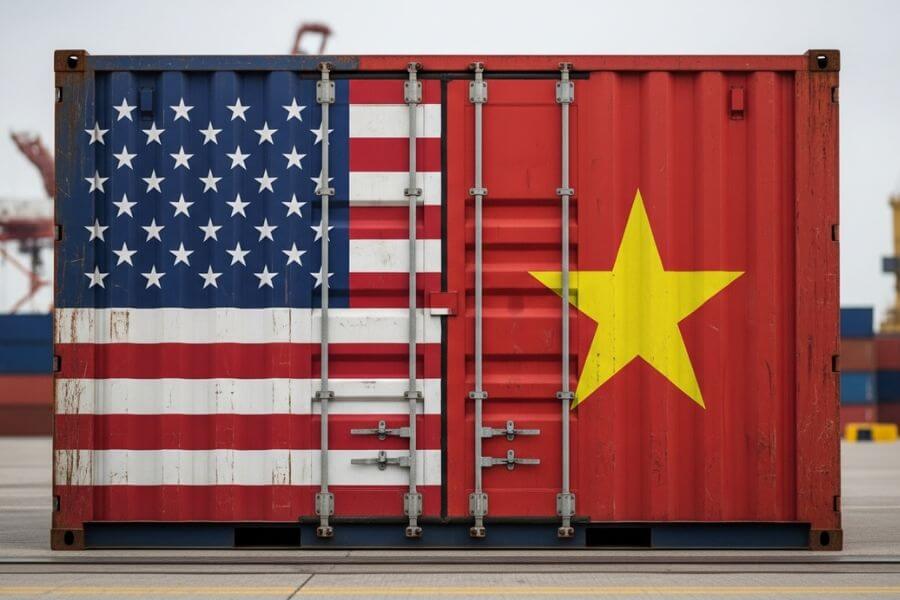
Trade between the United States and Vietnam has expanded rapidly over the past two decades, transforming both countries into essential economic partners. As Vietnam continues its rise as a manufacturing powerhouse and the U.S. remains one of the world’s largest consumer markets, the flow of goods between the two nations has grown stronger each year. From electronics and textiles to agricultural products and high-value machinery, the trade relationship is built on diverse, high-demand categories that fuel both economies.
In this article, we’ll explore the ten most traded goods between the U.S. and Vietnam, offering a breakdown of why these industries dominate bilateral trade.
1. Electrical Machinery & Equipment
Electrical machinery consistently ranks as one of the largest trade categories between the U.S. and Vietnam. This includes goods like smartphones, computers, semiconductors, circuit boards, power equipment, and various electronic components. Vietnam has become a major global hub for electronics manufacturing thanks to strong foreign investment and the presence of international tech giants. With competitive labor costs and increasingly advanced production capacity, Vietnam exports vast quantities of electronic goods to satisfy U.S. consumer demand.
The U.S. relies on these imports to support both consumer electronics markets and industrial applications. On the export side, U.S. shipments of specialized electrical machinery, semiconductor equipment, and high-precision components help support Vietnam’s growing manufacturing ecosystem. This mutually beneficial exchange continues to expand as digital devices and smart technologies become even more integrated into daily life.
2. Textiles, Apparel & Footwear
Clothing, footwear, and textile products are among the most recognizable Vietnamese exports entering the U.S. market. Vietnam is one of the world’s largest apparel producers, with strong supply chains for sportswear, outerwear, knitwear, shoes, and fashion accessories. American brands rely heavily on Vietnamese factories for high-quality production at competitive costs, making this one of the most important pillars of bilateral trade.
These goods are in high demand due to Vietnam’s skilled workforce, efficient manufacturing processes, and well-established partnerships with U.S. retailers. On the U.S. export side, companies send cotton, high-tech fabric materials, and industrial textile machinery to Vietnam to supply and streamline local garment manufacturing. As consumer preferences shift toward sustainable or performance-based materials, this trade category is evolving quickly but remains a dominant force.
3. Furniture & Wood Products
Furniture is another top Vietnamese export to the United States, with bedroom sets, wooden chairs, office furniture, outdoor pieces, and home décor leading the list. Vietnam has become a global hub for wooden furniture manufacturing thanks to abundant raw materials, a skilled workforce, and modern production facilities. Many U.S. furniture brands rely on Vietnamese suppliers for consistent product quality and reliable production volume.
The U.S. also exports raw wood and lumber to Vietnam, which is then processed and turned into finished furniture for reimportation. This circular trade model strengthens supply chains while helping both industries meet growing consumer demand. As American homes continue to emphasize contemporary, minimalist, and durable wooden designs, Vietnamese furniture will remain a staple in U.S. retail markets.
4. Machinery, Mechanical Appliances & Industrial Equipment
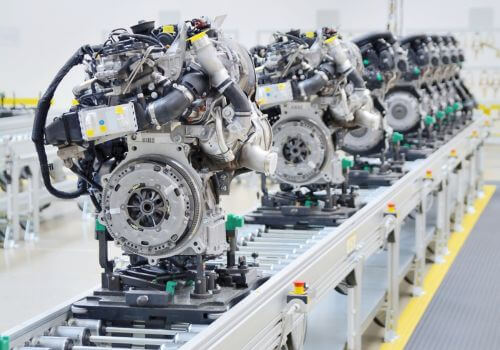
Heavy machinery and mechanical equipment form another critical portion of U.S.-Vietnam trade. The U.S. exports industrial equipment such as pumps, engines, HVAC systems, construction machinery, and manufacturing tools that support Vietnam’s rapidly expanding industrial and commercial sectors. These products are essential for factories, infrastructure projects, and energy systems across the country.
Meanwhile, Vietnam exports smaller-scale mechanical components, industrial parts, and assembly-ready equipment back to the United States. Vietnam’s growing expertise in precision manufacturing allows American companies to source high-quality components at affordable prices. As industrial automation and advanced manufacturing technologies continue to grow, this category will remain vital for both economies.
5. Agricultural Products (Seafood, Coffee & Cashews)
Agriculture plays a major role in trade between the U.S. and Vietnam, with Vietnam exporting large quantities of seafood, coffee, pepper, cashews, and specialty crops. Vietnamese seafood, especially shrimp, pangasius, and tuna, is a major import for U.S. food distributors and supermarkets. The country is also one of the world’s leading exporters of robusta coffee and cashew nuts, both of which are widely consumed in the United States.
On the other hand, the U.S. exports agricultural goods such as cotton, soybeans, animal feed, and fresh fruits to support Vietnam’s food processing and textile industries. Vietnam’s rising middle class and growing food and beverage sector have increased demand for premium American produce. These agricultural exchanges strengthen food security, supply chain diversity, and long-term market stability for both nations.
6. Plastics & Plastic Articles
Plastic materials and plastic-based products are heavily traded between the U.S. and Vietnam. Vietnamese manufacturers export items such as household plastic goods, packaging, containers, and industrial plastic parts to American importers. These products serve many industries including retail packaging, home goods, and construction.
At the same time, the U.S. supplies Vietnam with raw plastic resins and pellets used in local production facilities. These materials are essential for injection molding, manufacturing, and packaging plants throughout Vietnam. With global demand for durable and lightweight materials growing, plastic-related trade continues to expand despite sustainability concerns and regulatory changes. Innovations in biodegradable plastics and recycled materials may shape future trends in this sector.
7. Vehicles, Auto Parts & Transport Equipment
Automotive trade between the U.S. and Vietnam is increasing rapidly as Vietnam’s transportation sector grows and more consumers purchase cars, motorbikes, and trucks. U.S. exports include automobile engines, electrical systems, vehicle parts, and aviation equipment. These goods support both Vietnam’s auto assembly industry and the country’s rising consumer demand for modern transportation options.
Vietnam exports auto parts, engine components, wiring harnesses, and accessories to the U.S. market, where they supply after-market retailers and assembly plants. As both nations invest in electric vehicles and green transport technologies, the automotive trade is poised to expand even more. The adoption of EV batteries, charging stations, and hybrid parts may become major export categories in the future.
8. Iron, Steel & Metal Products
Iron and steel products form a significant portion of Vietnam’s exports to the United States. This includes steel pipes, construction reinforcements, metal sheets, and industrial metal components used in U.S. construction, infrastructure, and manufacturing sectors. American demand for competitively priced steel has made Vietnam one of its important suppliers.
In return, the U.S. exports specialized steel, stainless alloys, metal scrap, and raw materials needed by Vietnam’s metalworking industry. These inputs are essential for producing higher-grade metal products and supporting Vietnam’s construction boom. As both countries expand their infrastructure development plans, iron and steel trade will continue to play a major role in bilateral commerce.
9. Footwear Materials, Leather Goods & Accessories
Vietnam is one of the world’s top producers of footwear, exporting massive quantities of shoes, sandals, boots, and athletic footwear to the United States. Major American brands partner with Vietnamese manufacturers to produce high-quality leather shoes, rubber-soled sneakers, and fashion footwear at competitive prices. This export segment continues to grow as consumer demand for comfort and performance-based footwear increases.
The U.S. exports leather, synthetic materials, rubber, and production machinery to support Vietnam’s footwear factories. This bilateral trade ensures that both markets benefit: Vietnam boosts its manufacturing economy while the U.S. gains access to large volumes of quality footwear for retail shelves.
10. Chemicals, Pharmaceuticals & Medical Supplies
The U.S. is a major exporter of high-value chemicals, pharmaceutical products, and medical equipment to Vietnam. These include vaccines, medicines, laboratory supplies, industrial chemicals, and healthcare technology. As Vietnam continues to upgrade its medical infrastructure and strengthen its pharmaceutical industry, demand for American-made medical goods remains strong.
In return, Vietnam exports chemical products, wellness items, nutritional supplements, and medical gloves to the U.S. market. The importance of this sector grew significantly during and after global health events, highlighting the strategic value of medical and chemical trade. As innovation continues in biotechnology, medical devices, and specialty chemicals, this sector will become even more influential.
Conclusion
The trade relationship between the United States and Vietnam is dynamic, diverse, and rapidly expanding. From consumer goods like apparel and electronics to essential materials such as machinery, chemicals, and agricultural products, the top traded goods between the two nations reflect economic strengths and complementary capabilities. Vietnam’s growing manufacturing power, combined with America’s demand for high-quality, cost-effective imports, creates a strong bilateral partnership that benefits businesses, consumers, and supply chains across both countries.
As global supply chains continue to shift and international trade policies evolve, understanding these top categories helps companies make informed decisions, identify new opportunities, and stay competitive in a fast-changing marketplace. The U.S.-Vietnam trade channel shows no signs of slowing down, making it an essential corridor for global commerce today and in the future.