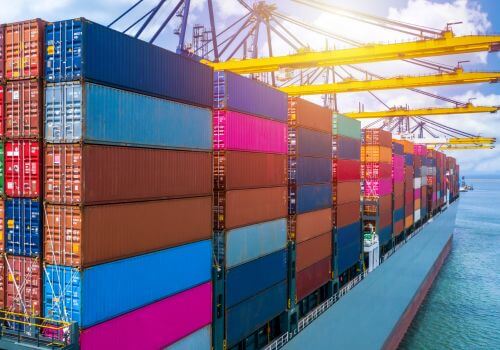
The United States is one of the largest consumer markets in the world, importing trillions of dollars’ worth of goods each year to keep store shelves stocked and e-commerce orders moving. From everyday household essentials and electronics to automobiles and fresh food, imports play a critical role in the U.S. economy and global supply chains. However, a relatively small group of companies accounts for a significant share of this massive import volume.
Understanding who the largest importers in the United States are and what they bring into the country offers valuable insight for retailers, manufacturers, logistics providers, and e-commerce businesses alike. These companies influence port congestion, shipping capacity, freight rates, and fulfillment timelines across the nation. In this guide, we’ll break down the top 10 largest importers in the United States, highlighting what each company imports and why their global sourcing strategies matter to today’s evolving supply chain landscape.
1. Walmart
Walmart consistently ranks as the largest importer into the United States, bringing in the greatest dollar value and container volume among U.S. companies as it sources apparel, home goods, electronics, groceries, and private-label products from a global supplier base. Walmart’s scale of hundreds of billions in retail sales and a vast network of private-label sourcing means it frequently tops importer lists and is central to how ports, ocean carriers, and U.S. railroads plan capacity. For anyone operating in U.S. import logistics (including fulfillment centers and cross-dock operations), Walmart’s seasonal surges and sourcing shifts (for example, rebalancing from China toward Vietnam, India, and Mexico) are a major driver of congestion and freight-rate volatility.
2. Target
Target is one of the top U.S. importers, especially when measured by the retail import value that fuels store assortments and e-commerce inventories. The company imports large volumes of apparel, home furnishings, electronics, and consumer packaged goods. Target’s trend-focused merchandising and heavy use of seasonal product cycles (holiday, back-to-school, and specialty collaborations) translate into distinct import peaks that ripple across ocean schedules and inland distribution. Logistics teams watch Target’s buying windows closely because the retailer’s import cadence helps set container-booking patterns on certain west-coast and gulf trade lanes.
3. The Home Depot
As the largest home-improvement retailer in the U.S., The Home Depot imports enormous volumes of building materials, tools, hardware, garden supplies, and seasonal products. Heavy, bulky goods and long-tail assortments mean Home Depot is a massive user of both containerized ocean freight and specialized over-the-road services. Its import flows affect port warehousing, distribution center sizing, and truckload capacity because many products require large-volume handling and storage prior to being shipped to stores or to pro-customer job sites. For manufacturers and 3PLs, Home Depot’s import patterns illustrate how big-box retailing ties closely into intermodal and heavy-haul logistics planning.
4. Amazon
Amazon’s import activity is enormous and multi-faceted: it sources finished goods from global vendors, uses FBA inbound shipments to stock fulfillment centers, and coordinates complex small-parcel and palletized receiving across hundreds of U.S. sites. While Amazon doesn’t always top lists that measure import TEUs the same way brick-and-mortar retailers do, its import value and volume of inbound shipments are huge, and its heavy use of short lead-time, express logistics and cross-border fulfillment innovations (like Vendor Flex and Direct Import programs) make Amazon a defining force for modern import practices. Many suppliers and carriers adjust their processes to meet Amazon’s packaging, labeling, and delivery expectations, which shows a sign of how import patterns are shaped by e-commerce platforms.
5. Costco
Costco’s import footprint is large because the warehouse-club model relies on buying in high volume to offer low per-unit prices. Costco imports groceries, electronics, apparel, household goods, and seasonal items in big batches that move through port consolidation and cross-dock networks. The company’s high-density, low-SKU approach means fewer SKUs but huge volumes per SKU, which influences ocean container utilization, port staging requirements, and the type of packaging suppliers use. For 3PLs and customs brokers, Costco shipments are notable for their bulk volumes and predictable, recurring import patterns.
6. Apple
Apple is a leading importer of high-value electronics, components, and finished devices. While Apple’s final assembly often occurs in partner facilities overseas, the company imports finished iPhones, iPads, Macs and components, contributing significantly to U.S. import value statistics even if container counts are lower than for mass-merchandisers. Apple’s supply chain emphasizes tight lead times, high-security shipments, and specialized customs handling for high-value cargo, all of which make its imports important for premium freight services, bonded warehousing, and specialized last-mile handling. Movements in Apple’s seasonal product cycles (new model launches, holiday demand) also drive temporary surges in air and ocean freight.
7. Nike & major apparel brands
Global apparel brands like Nike and other large clothing companies are major importers into the U.S., moving billions in apparel, footwear, and accessories annually. Because apparel is often imported in large TEU volumes from Asia, these brands appear consistently among top importer lists by container count. Apparel imports are highly seasonal, with lead times tied to fashion cycles (spring/summer, fall/winter) and promos, and they heavily influence ocean capacity and port labor demand. Retailers and 3PLs that support apparel logistics must be prepared for concentrated inbound windows and complex distribution strategies (cross-docking, rapid replenishment, and e-commerce return flows).
8. IKEA
IKEA is a notable importer because furniture and home-furnishings shipments are large, often require specialized container loading, and occupy substantial warehouse space on arrival. IKEA’s global sourcing model with suppliers across Asia and Europe, drives steady, high-volume container shipments that influence port throughput and inland drayage demand. Because bulky goods tie up much more space per unit than many consumer items, IKEA’s import volumes are particularly impactful on container and warehouse capacity planning and on the economics of consolidation and distribution center placement.
9. Automakers & auto parts importers (Toyota, Ford, GM suppliers)
The automotive sector is a major importer of parts, components, and finished vehicles. Automakers and their supplier networks (including tier-one manufacturers) bring in engines, electronics, steel components, and finished cars and trucks. In recent years, shifts in sourcing and the rise of regional production (nearshoring to Mexico) have altered import flows, but the sector remains a heavy user of roll-on/roll-off (RoRo) vessels, specialized containerized parts shipments, and bonded inventory strategies. Auto imports are critical to manufacturing continuity and illustrate how industrial importers differ from retail importers in their need for Just-In-Time deliveries, customs support, and duty-management strategies. Reuters and trade reporting highlight how metals and auto parts import patterns respond quickly to tariff changes and policy shifts.
10. Food & agricultural importers (Dole, Chiquita, other produce companies)
Large food and produce companies, including Dole, Chiquita, and several major seafood and packaged-food importers, consistently rank among top importers by container volume and TEUs because refrigerated (reefer) container flows are substantial. Fresh produce, frozen seafood, and specialty ingredients require cold-chain handling and time-sensitive customs clearance, which makes these importers pivotal to ports that support reefer plugs and temperature-controlled logistics. Retail grocery chains and foodservice distributors depend on steady import flows for year-round produce variety, and disruptions in reefer capacity can quickly show up as empty shelves or menu limitations. AJOT and other container-data sources routinely show produce companies among the highest importers by TEU.
Conclusion
The largest importers in the United States play a defining role in shaping global trade flows and domestic logistics operations. Companies like Walmart, Amazon, and Home Depot move enormous volumes of goods that influence everything from ocean freight availability and port activity to inland transportation and warehouse demand. At the same time, specialized importers in electronics, automotive, furniture, and food demonstrate how diverse importing needs can be, from high-value shipments and cold-chain logistics to bulk and oversized cargo handling.
For e-commerce sellers, retailers, and fulfillment providers, tracking the sourcing patterns and seasonal cycles of these major importers is more than just industry awareness; it’s a competitive advantage. Understanding how and when large-scale importers move goods helps businesses anticipate supply chain disruptions, optimize inventory planning, and improve delivery performance. As global trade continues to evolve through nearshoring, automation, and policy shifts, staying informed about the U.S.’s largest importers will remain essential for navigating an increasingly complex and interconnected supply chain.