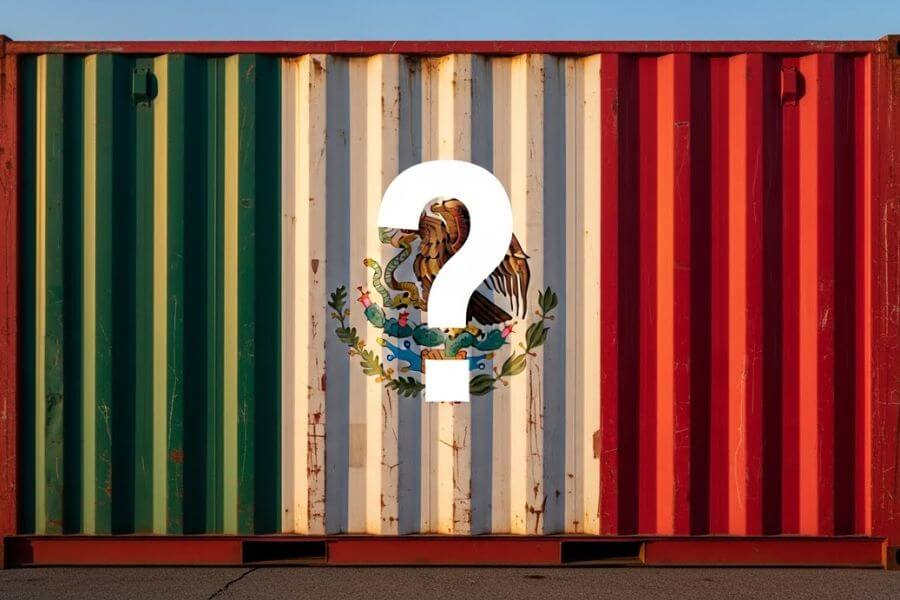
Mexico is one of the world’s leading export-driven economies and a key player in global trade. Its strategic location, strong manufacturing base, competitive workforce, and extensive free trade agreements have positioned the country as a vital link in international supply chains, especially between North America and the rest of the world.
From advanced manufacturing and automotive production to agriculture, energy, and medical devices, Mexico exports a wide range of high-value goods that support industries worldwide. In this article, we’ll explore the top 10 largest exports of Mexico, highlighting the products that drive its economy and make it a global trade powerhouse.
1. Vehicles and Automotive Parts
Vehicles and automotive parts are Mexico’s largest and most valuable export category, positioning the country as one of the world’s top automotive manufacturing hubs. Major global automakers operate large-scale production plants across Mexico, producing passenger cars, pickup trucks, and commercial vehicles for international markets. A significant portion of these vehicles is exported to the United States and Canada, supported by Mexico’s strong integration into North American supply chains.
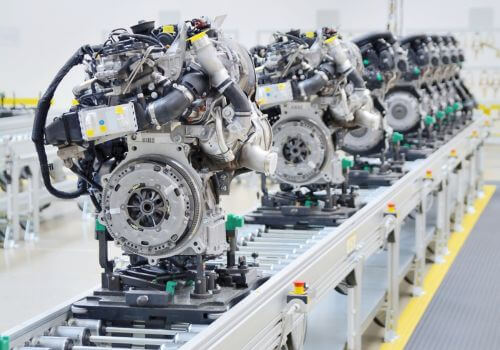
In addition to finished vehicles, Mexico exports a wide range of automotive components such as engines, transmissions, wiring harnesses, braking systems, and electronic modules. These parts often move across borders multiple times during the manufacturing process, highlighting Mexico’s central role in regional vehicle production. Competitive labor costs, skilled workers, and favorable trade agreements continue to fuel growth in this export sector.
2. Electrical Machinery and Electronics
Electrical machinery and electronics represent one of Mexico’s most advanced and high-volume export industries. This category includes televisions, computers, telecommunications equipment, electrical components, and consumer electronics. Mexico is widely recognized as one of the world’s leading exporters of flat-screen televisions, supplying major retailers and brands across North America.
Electronics manufacturing in Mexico benefits from strong infrastructure, proximity to the U.S. market, and growing nearshoring trends. Many multinational companies rely on Mexican facilities for both assembly and component production. As demand for smart devices, industrial electronics, and digital infrastructure continues to rise, electronics remain a key driver of Mexico’s export economy.
3. Machinery and Industrial Equipment
Machinery and industrial equipment exports reflect Mexico’s strength in advanced manufacturing and industrial production. This category includes mechanical equipment such as pumps, compressors, industrial engines, HVAC systems, and specialized machinery used in construction and factories. These products are essential for supporting infrastructure development and industrial operations worldwide.
Mexico’s machinery exports are closely linked to industries such as automotive, energy, and manufacturing. The country’s ability to produce reliable, cost-effective industrial equipment has made it a trusted supplier to the United States, Latin America, and other global markets. Continued investment in automation and industrial technology is expected to further expand this export segment.
4. Mineral Fuels and Oil Products
Mineral fuels and oil products remain an important part of Mexico’s export portfolio, even as the country diversifies its economy. This category includes crude oil, refined petroleum products, and petrochemical materials exported primarily to the United States. Energy exports have historically played a major role in generating government revenue and supporting industrial activity.
Although manufacturing exports now surpass oil in overall value, fuel exports remain sensitive to global energy demand and price movements. Mexico’s strategic location and established energy infrastructure help maintain its position as a reliable supplier. As energy markets evolve, mineral fuels continue to be a significant, though changing, component of Mexico’s trade landscape.
5. Medical Devices and Equipment
Medical devices and equipment are among Mexico’s fastest-growing and highest-value exports. Products in this category include surgical instruments, diagnostic devices, catheters, syringes, orthopedic implants, and respiratory equipment. Mexico is one of the top suppliers of medical devices to the United States, meeting strict quality and regulatory standards.
The success of this sector is driven by skilled labor, advanced manufacturing processes, and strong collaboration with global healthcare companies. Many international medical device manufacturers operate production facilities in Mexico to serve global markets efficiently. With rising healthcare demand worldwide, medical device exports are expected to remain a major growth area.
6. Agricultural Products and Food Exports
Agricultural products are a cornerstone of Mexico’s export economy, supported by favorable climate conditions and modern farming practices. Mexico is a leading exporter of fresh fruits and vegetables such as avocados, tomatoes, berries, peppers, and mangoes. These products are shipped year-round to international markets, especially the United States.
In addition to fresh produce, Mexico exports processed foods, beverages, and specialty agricultural goods. Advanced cold-chain logistics and efficient transportation networks help preserve product quality during export. Growing global demand for fresh, healthy, and sustainably sourced food continues to strengthen Mexico’s agricultural exports.
7. Aerospace Products and Components
Aerospace products and components represent one of Mexico’s most technologically advanced export categories. The country exports aircraft parts, wiring systems, engine components, and precision-manufactured structures used in commercial and defense aviation. Aerospace manufacturing clusters have developed in several regions, supported by specialized training and certifications.
Mexico’s aerospace exports are integrated into global supply chains, supplying major aircraft manufacturers and tier-one suppliers. High production standards and competitive costs make Mexico an attractive location for aerospace manufacturing. As global aircraft production increases, aerospace exports continue to contribute significant value to Mexico’s trade economy.
8. Plastics and Plastic Products
Plastics and plastic products play a vital supporting role in Mexico’s export-driven manufacturing sector. This category includes plastic parts, packaging materials, containers, films, and molded components used across automotive, electronics, and consumer goods industries. Many plastic exports are intermediate goods used in final assembly processes abroad.
Mexico’s plastics industry benefits from close proximity to major manufacturing hubs and strong demand from export-oriented industries. The ability to produce high-quality, customized plastic components efficiently makes Mexico a competitive supplier. As industries continue to prioritize lightweight and durable materials, plastics remain a steady export contributor.
9. Iron, Steel, and Metal Products
Iron, steel, and metal products are essential exports that support construction, manufacturing, and energy industries. Mexico exports steel pipes, aluminum products, fabricated metal structures, and industrial metal components to regional and global markets. These products are widely used in infrastructure development and industrial projects.
Mexico’s metal exports benefit from established production capabilities and access to North American markets. Despite fluctuations in global demand and trade regulations, metal products remain a reliable and important part of Mexico’s export economy. Continued infrastructure investment across the region supports long-term demand for these materials.
10. Beverages, Including Beer and Spirits
Beverages are among Mexico’s most recognizable and culturally significant exports. The country is one of the world’s largest exporters of beer, with Mexican brands enjoying strong international demand. In addition to beer, Mexico exports tequila and mezcal, spirits that are protected by geographic designation and global reputation.
These beverage exports combine large-scale production with traditional craftsmanship, appealing to both mass-market and premium consumers. Growing global interest in authentic and high-quality alcoholic beverages continues to boost demand. As a result, beverage exports remain both economically valuable and globally influential for Mexico.
Conclusion
Mexico’s export economy is a powerful engine of growth, innovation, and global integration. From vehicles and electronics to agriculture and medical devices, the country has built a diversified export portfolio that supports international supply chains and global consumers alike.
For businesses involved in international trade, logistics, or e-commerce, understanding Mexico’s largest exports provides valuable insight into sourcing opportunities, market trends, and cross-border trade dynamics. As nearshoring, digital commerce, and advanced manufacturing continue to expand, Mexico’s role as a global export powerhouse is only set to grow.