Incoterms EXW (Ex Works) is one of the most commonly used yet often misunderstood international trade terms. Designed to place minimal responsibility on the seller, EXW shifts nearly all logistics, costs, and risks to the buyer from the moment goods are made available at the seller’s premises. For importers and exporters alike, understanding how EXW works is essential to avoiding costly mistakes, compliance issues, and shipment delays. In this guide, we break down the 10 most important things you should know about Incoterms EXW, from responsibilities and risk transfer to costs, benefits, and best-use scenarios.
1. EXW Definition and Core Meaning
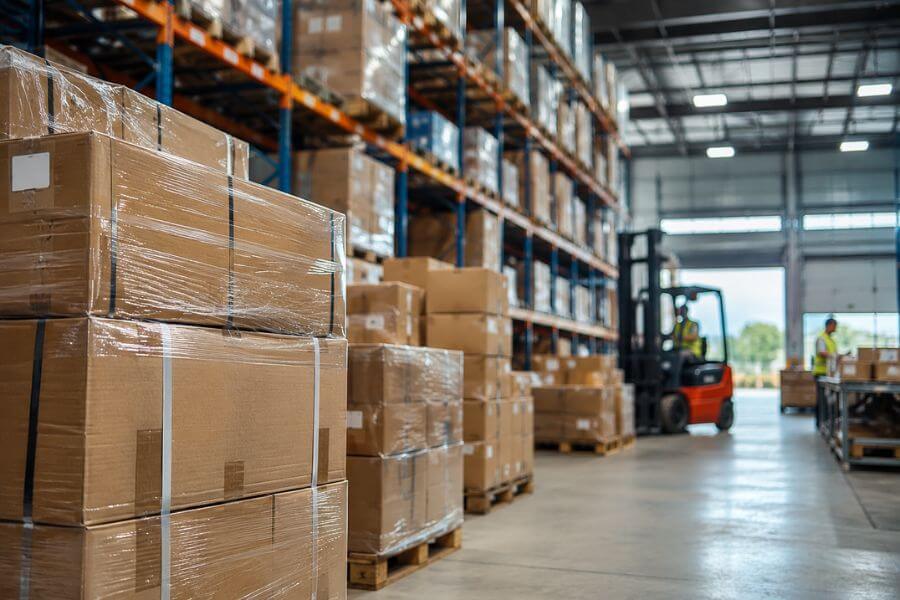
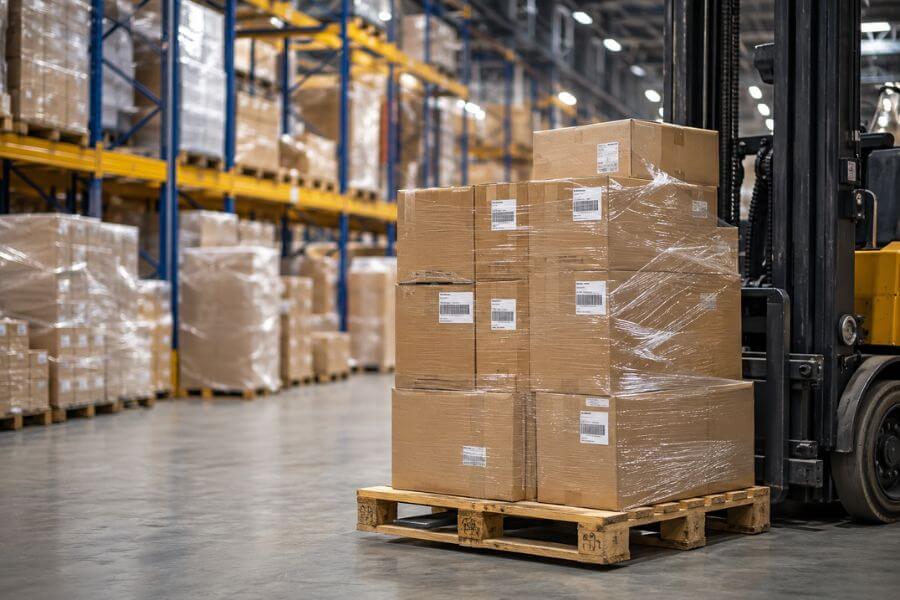
EXW, short for Ex Works, is an Incoterm where the seller’s responsibility ends once the goods are made available to the buyer at a named location, usually the seller’s factory, warehouse, or storage facility. From that point forward, the buyer takes full control of the shipment, including loading, transportation, export customs clearance, and all associated costs and risks.
Unlike many other Incoterms, EXW places almost no logistical burden on the seller. There is no obligation to load goods onto a vehicle or handle export documentation. This makes EXW ideal for buyers who want complete control over their supply chain, often using their own freight forwarders or consolidating cargo from multiple suppliers in one country.
2. Seller’s Responsibilities Under EXW
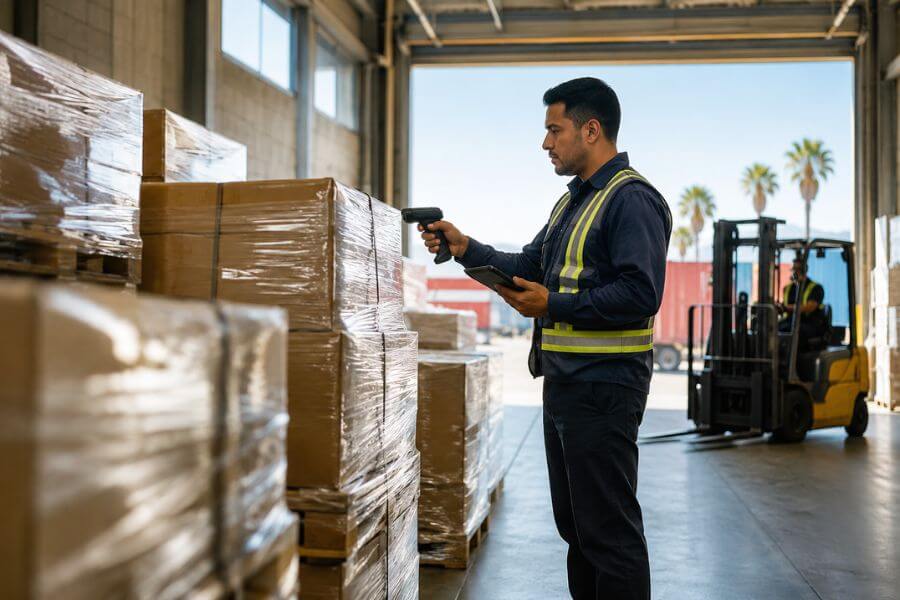
Under EXW terms, the seller’s obligations are limited to preparing the goods and making them available at the agreed location. This typically includes proper packaging (as specified in the contract) and issuing basic documents such as a commercial invoice. The seller is not responsible for loading, export clearance, freight, or insurance.
Risk transfers to the buyer as soon as the goods are available, not when they are loaded. While some sellers may assist with loading as a courtesy, EXW does not require it. To avoid misunderstandings, many sellers clarify any loading assistance in the sales contract, even though it falls outside strict EXW obligations.
3. Buyer’s Extensive Obligations
EXW places the heaviest responsibility on the buyer. Buyers must arrange loading at the seller’s premises, export customs clearance, inland transportation, main international carriage, import clearance, duties, taxes, and final delivery. All logistics costs from pickup onward are fully borne by the buyer.
Because risk transfers early, any damage during loading or initial transport becomes the buyer’s responsibility. To manage this, buyers often hire local agents or freight forwarders in the seller’s country to handle compliance and operational challenges. While EXW offers maximum control, it requires strong logistics expertise.
4. Risk Transfer Point in EXW
The risk transfer point under EXW occurs when the goods are placed at the buyer’s disposal at the named location, before loading begins. From that moment, the seller is no longer liable for loss, damage, or delays.
This early risk transfer distinguishes EXW from terms like FOB or FCA, where responsibility shifts later in the transport process. Buyers should clearly define the exact handover point in the contract to avoid disputes, such as specifying a particular warehouse door or loading bay.
5. Cost Allocation Breakdown
With EXW, sellers incur only production and preparation costs up to making the goods available. As a result, EXW prices are usually the lowest quoted product prices. Buyers, however, cover all remaining expenses, including loading, export licenses, freight charges, insurance, import duties, taxes, and handling fees.
In many cases, buyers shoulder 80–90% of total logistics costs. To simplify budgeting, freight forwarders often provide all-inclusive “door-to-door” quotes for EXW shipments. Smart importers always compare EXW prices against total landed costs before finalizing deals.
6. Applicability Across Transport Modes
One of EXW’s strengths is its flexibility. It can be used with any mode of transport, including road, rail, sea, air, or multimodal shipments. It works equally well for FCL, LCL, bulk cargo, and oversized goods.
Whether shipping machinery by sea or electronics by air, EXW allows buyers to manage the entire transport chain from the origin. There are no restrictions on domestic or international legs, making EXW suitable for a wide range of supply chain models.
7. Advantages for Buyers and Sellers
For sellers, EXW offers simplicity: minimal paperwork, no export clearance, and reduced liability. This is especially attractive for manufacturers that prefer focusing on production rather than international logistics.
Buyers benefit from the lowest product prices, full control over shipping, and the ability to consolidate goods from multiple suppliers. EXW also opens sourcing opportunities with sellers who are not export-experienced, expanding buyer options in global trade.
8. Key Drawbacks and Risks
Despite its benefits, EXW carries notable risks. Buyers must navigate export regulations in the seller’s country, manage loading risks, and absorb cost fluctuations related to fuel, duties, and port charges. Inexperienced buyers often face delays or compliance penalties.
Sellers may also face tax or VAT risks if they lack proof that goods were exported. In some regions, sellers can appear as exporters on documents without controlling the process, creating legal exposure. For these reasons, many experts caution against using EXW without sufficient experience.
9. EXW vs Other Common Incoterms
| Incoterm | Seller Handles Export Clearance | Risk Transfer Point | Best For |
|---|---|---|---|
| EXW | No | Seller’s premises | Experienced buyers |
| FCA | Yes | Seller’s premises or carrier | Balanced responsibility |
| FOB | Yes | On board vessel | Sea freight with seller expertise |
| DAP | Yes (export only) | Buyer’s destination | Seller-controlled delivery |
Compared to FCA or FOB, EXW places far less responsibility on the seller. Choosing the right Incoterm depends on which party has stronger logistics capabilities.
10. Best Practices and When to Use EXW
EXW works best when buyers have reliable agents or freight forwarders in the seller’s country and want maximum control at the lowest product cost. It is commonly used for shipment consolidation or repeat trade with familiar suppliers.
Always specify the named place clearly (for example, “EXW Seller’s Warehouse, Michigan, United States – Incoterms® 2020”). Include clauses covering loading assistance, pickup timing, and export proof. For complex or highly regulated export countries, less buyer-heavy terms like FCA may be safer.
Conclusion
Incoterms EXW (Ex Works) offers simplicity for sellers and maximum control for experienced buyers, but it also carries significant responsibilities and risks. While EXW can deliver the lowest product pricing and flexible logistics management, it requires strong knowledge of export regulations, freight coordination, and cost planning. By understanding the key aspects of EXW, including risk transfer points, cost allocation, and practical limitations, businesses can decide whether it is the right Incoterm for their shipments. When used correctly and with clear contracts, EXW can be a powerful tool in global trade.