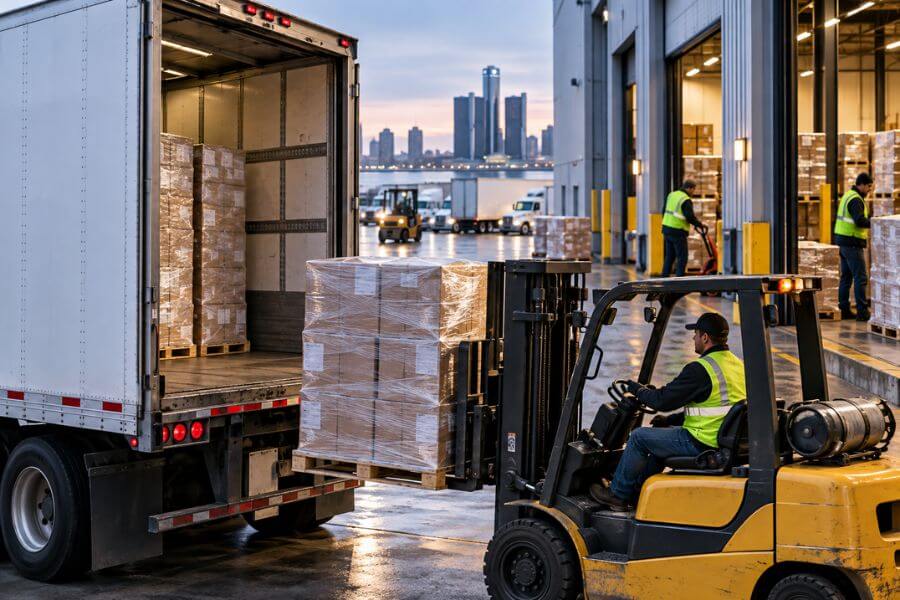
In today’s fast-moving global trade environment, an import/export manager plays a critical role in keeping goods flowing smoothly across borders. From navigating customs regulations to managing international suppliers, the job requires a unique mix of technical knowledge, strategic thinking, and people skills. Whether you’re entering international trade or looking to sharpen your expertise, mastering these core competencies can help you reduce risks, control costs, and stay compliant. Below are the top 10 essential skills every import/export manager needs to succeed in the global marketplace.
1. International Trade Compliance Knowledge
A strong understanding of international trade compliance is essential for any import/export manager. This includes knowledge of customs regulations, import and export laws, trade agreements, sanctions, and restricted goods. Managers must ensure all shipments comply with local and international regulations to avoid fines, delays, or shipment seizures. Staying updated on changing customs rules, tariff classifications, and country-specific requirements helps businesses maintain smooth operations. Compliance expertise also builds trust with customs authorities and partners, making it a foundational skill for long-term success in global trade.
2. Customs Documentation & Classification Skills
Accurate documentation is the backbone of import and export operations. Import/export managers must be skilled in preparing and reviewing documents such as commercial invoices, packing lists, bills of lading, certificates of origin, and HS codes. Proper product classification ensures correct duty calculation and prevents customs disputes. Errors in paperwork can lead to costly delays or penalties. Strong documentation skills help streamline customs clearance, improve shipment accuracy, and ensure goods move efficiently through international borders without unnecessary complications.
3. Logistics & Supply Chain Coordination
Import/export managers need a solid grasp of global logistics and supply chain management. This includes coordinating freight forwarders, carriers, warehouses, and customs brokers to ensure timely delivery. Understanding shipping modes, transit times, incoterms, and routing options allows managers to optimize costs and reduce delays. Effective logistics coordination ensures inventory flows smoothly from origin to destination. This skill is especially important in managing disruptions such as port congestion, weather issues, or geopolitical challenges that can impact international shipments.
4. Cost Management & Pricing Analysis
Managing costs is a critical skill for import/export professionals. Import/export managers must analyze freight charges, customs duties, taxes, insurance, and handling fees to maintain profitability. Understanding landed cost calculations helps businesses price products accurately in global markets. Skilled managers identify cost-saving opportunities, negotiate better shipping rates, and minimize unnecessary expenses. Effective cost management ensures competitive pricing while protecting margins, making it a key capability for companies engaged in international trade.
5. Negotiation & Supplier Management
Strong negotiation skills are essential when working with overseas suppliers, freight partners, and service providers. Import/export managers regularly negotiate pricing, payment terms, shipping responsibilities, and delivery timelines. Building long-term relationships with reliable suppliers helps ensure consistent quality and supply stability. Effective supplier management also involves resolving disputes, managing expectations, and aligning partners with business goals. Skilled negotiators can secure better terms while maintaining positive international business relationships.
6. Risk Management & Problem-Solving
Global trade comes with risks such as delays, customs inspections, damaged goods, compliance violations, and currency fluctuations. Import/export managers must identify potential risks and develop contingency plans to minimize disruptions. Strong problem-solving skills allow managers to respond quickly to unexpected issues, such as shipment holds or documentation errors. By anticipating challenges and acting decisively, import/export managers protect supply chains and maintain operational continuity in complex international environments.
7. Communication & Cross-Cultural Skills
Import/export managers work with partners across different countries, time zones, and cultures. Clear communication is essential to avoid misunderstandings related to documentation, shipping terms, or delivery schedules. Cross-cultural awareness helps managers navigate differences in business etiquette, negotiation styles, and decision-making processes. Strong communication skills foster trust, improve collaboration, and ensure smoother coordination with global stakeholders, making them vital for successful international trade operations.
8. Data Analysis & Reporting Skills
Data-driven decision-making is increasingly important in international trade. Import/export managers must analyze shipment data, lead times, costs, and performance metrics to identify trends and inefficiencies. Strong reporting skills help management track compliance, spending, and supplier performance. By leveraging data, managers can optimize logistics strategies, improve forecasting accuracy, and support smarter business decisions. Analytical skills also help demonstrate the value of import/export operations to senior leadership.
9. Technology & Trade Software Proficiency
Modern import/export operations rely heavily on technology. Managers should be proficient in trade management systems, ERP platforms, customs software, and tracking tools. These systems help automate documentation, monitor shipments, and ensure compliance. Familiarity with digital tools improves efficiency, reduces human error, and enhances visibility across the supply chain. As global trade becomes more digitalized, technology skills are no longer optional but essential for staying competitive.
10. Strategic Planning & Adaptability
Import/export managers must think strategically while remaining adaptable to change. Global trade is influenced by economic shifts, trade policies, and market demands. Strategic planning skills help managers align import/export activities with business growth goals. At the same time, adaptability allows them to adjust quickly to regulatory changes, supply chain disruptions, or new market opportunities. This balance of long-term vision and flexibility is key to sustaining success in international trade.
Conclusion
Mastering the right skills is essential for any successful import/export manager in today’s global trade environment. From trade compliance and logistics coordination to cost control and strategic planning, these competencies help reduce risks, improve efficiency, and ensure smooth cross-border operations. As international commerce continues to evolve, professionals who continuously develop these skills will stay competitive, compliant, and well-positioned to drive sustainable growth in global import and export management.