For small and medium-sized enterprises (SMEs), logistics costs can quietly erode profit margins. Shipping fees, warehousing expenses, packaging waste, and inefficient inventory management all add up. The good news? With the right logistics cost-saving strategies, SMEs can reduce operational expenses without sacrificing delivery speed or customer satisfaction. Below are 10 of the best, practical ways to lower logistics costs and build a more efficient supply chain.
1. Optimize Shipping Routes
Route optimization is one of the most effective ways to reduce transportation costs for SMEs. By using route-planning software or a Transportation Management System (TMS), businesses can group deliveries more efficiently, avoid traffic congestion, and eliminate unnecessary empty runs. Optimized routes reduce fuel consumption, vehicle wear and tear, and driver overtime expenses. For last-mile and regional deliveries, even small adjustments can significantly cut transit times and improve delivery reliability. Over time, better route planning not only lowers logistics costs but also enhances customer satisfaction through faster, more predictable deliveries.
2. Consolidate Shipments and Orders
Shipment consolidation allows SMEs to combine multiple small orders into full truckloads or larger parcel shipments. Instead of paying for partially filled vehicles or repeated courier pickups, businesses can maximize load capacity and reduce per-unit shipping costs. This strategy also lowers handling fees, administrative paperwork, and the risk of shipment errors. By coordinating dispatch schedules and batching orders strategically, SMEs can improve efficiency without increasing operational complexity. Consolidating shipments is especially valuable for e-commerce businesses or wholesalers shipping to consistent regional zones.
3. Outsource to Reliable 3PL Providers
Partnering with a third-party logistics (3PL) provider can significantly reduce fixed costs for SMEs. Instead of investing in warehouse space, vehicles, and staffing, businesses can leverage the 3PL’s infrastructure and carrier relationships. This provides access to economies of scale, discounted freight rates, and flexible capacity during peak seasons. Outsourcing logistics also allows SMEs to focus on core activities like product development and marketing. Choosing a reliable 3PL partner with transparent pricing and scalable solutions can turn logistics from a heavy overhead into a flexible, cost-efficient operation.
4. Optimize Warehouse Layout and Space
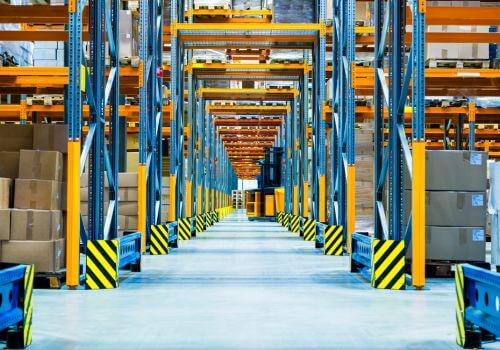
Warehouse efficiency directly impacts logistics expenses. By organizing products based on turnover rates, placing fast-moving items near packing stations and slower SKUs further away, SMEs can reduce picker travel time and labor costs. Clear labeling, logical racking systems, and regular layout reviews improve order accuracy and minimize costly fulfillment errors. Efficient space utilization also prevents the need for premature warehouse expansion. Even small layout improvements can increase productivity per employee and lower cost per order, making warehouse optimization a simple yet powerful cost-saving strategy.
5. Use Smarter Inventory Practices
Excess inventory ties up cash and increases storage costs, while stockouts harm customer satisfaction. Implementing smarter inventory management practices such as Just-in-Time (JIT), ABC analysis, and demand forecasting helps SMEs maintain optimal stock levels. By focusing on high-value or fast-moving products and reducing slow-moving inventory, businesses can decrease warehousing space requirements and minimize obsolescence. Better forecasting also reduces emergency shipments and rush fees. Effective inventory control improves cash flow and keeps logistics costs aligned with actual sales performance.
6. Streamline Packaging and Dimensions
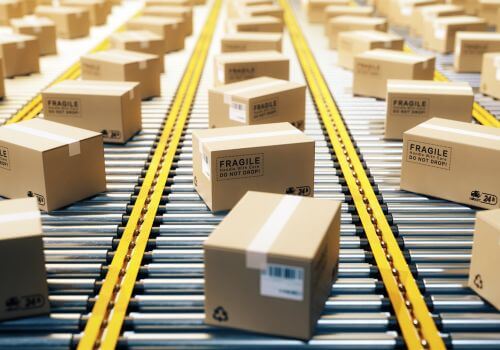
Packaging plays a major role in shipping expenses, especially with dimensional weight pricing. SMEs can reduce logistics costs by right-sizing boxes to match product dimensions and avoiding unnecessary fillers or heavy materials. Smaller, lighter packages lower courier fees, reduce storage space, and improve pallet efficiency. Sustainable packaging solutions can also reduce material costs while enhancing brand image. Conducting regular packaging audits ensures businesses are not overspending due to outdated box sizes or inefficient packing practices. Small adjustments in packaging design can deliver measurable savings.
7. Negotiate and Lock in Freight Rates
Freight rate negotiation is often overlooked by SMEs, yet it can generate significant savings. Businesses with consistent shipping volumes should consolidate high-volume routes and negotiate contract pricing with carriers. Locking in stable rates protects against sudden fuel surcharges or seasonal price spikes. Comparing multiple carriers through logistics marketplaces can also reveal competitive pricing opportunities. Transparent agreements reduce hidden charges and simplify budgeting. By proactively managing freight contracts rather than accepting default rates, SMEs gain better cost control and improved margin predictability.
8. Invest in Basic Logistics Technology
Digital tools such as inventory management systems, warehouse management systems (WMS), or TMS platforms provide visibility and control over supply chain operations. Even affordable, cloud-based solutions designed for SMEs can automate tracking, reduce manual errors, and improve forecasting accuracy. Real-time data helps businesses make smarter decisions about route planning, stock replenishment, and delivery performance. Technology also reduces labor inefficiencies and costly miscommunications. Investing in basic logistics technology may require upfront spending, but it typically generates long-term cost savings and operational transparency.
9. Implement Lean Pickup and Delivery Options
Offering flexible fulfillment options can lower last-mile delivery costs. SMEs can provide click-and-collect services, local pickup points, or parcel locker delivery to reduce reliance on home shipping networks. Encouraging customers to choose slower, economy shipping options also helps manage freight expenses. By aligning delivery options with customer preferences and operational efficiency, businesses can decrease urgent shipping surcharges. Lean delivery strategies reduce per-order logistics costs while still maintaining service quality. This approach is especially beneficial for urban or high-density customer bases.
10. Regularly Audit and Benchmark Logistics Spend
Routine logistics audits help SMEs identify inefficiencies, billing errors, and unnecessary surcharges. Reviewing carrier invoices, fuel adjustments, and handling fees monthly or quarterly ensures accurate cost tracking. Comparing key performance indicators (KPIs) such as cost per shipment, delivery time, and warehouse turnover against industry benchmarks reveals areas for improvement. Continuous monitoring allows businesses to renegotiate contracts, adjust routes, or refine inventory strategies before small inefficiencies grow into major expenses. A data-driven, proactive approach keeps logistics spending under control and supports sustainable growth.
Conclusion
By combining several of these logistics cost-saving strategies, such as shipment consolidation, route optimization, and selective 3PL outsourcing, SMEs can significantly reduce supply chain expenses. When logistics is treated as a measurable, strategic function rather than a fixed overhead, businesses gain stronger margins, better delivery reliability, and more capital to reinvest in growth.