Freight shipping costs play a critical role in overall supply chain and logistics performance, directly affecting profit margins, pricing strategies, and customer satisfaction. From the distance your goods travel to fuel prices, carrier selection, and shifting market conditions, multiple factors influence how much businesses pay to move freight. Understanding the key elements that drive freight shipping costs helps shippers plan budgets more accurately, choose the right transportation strategies, and avoid unexpected charges. In this guide, we break down the top factors that affect freight shipping costs so businesses can make informed, cost-effective shipping decisions in a competitive logistics environment.
1. Distance and Shipping Route
The distance between the origin and destination is one of the most fundamental factors affecting freight shipping costs. Longer distances require more fuel, driver hours, and equipment utilization, which directly increases transportation expenses. Most carriers price freight based on mileage tiers, zones, or shipping lanes, meaning costs rise quickly when shipments cross multiple regions or travel to remote locations.
However, distance alone does not tell the full story. The actual route taken can significantly influence pricing. Freight moving through congested cities, toll roads, border crossings, or politically sensitive areas often incurs higher costs due to delays, risk, and additional fees. Poor infrastructure, mountainous terrain, and port congestion can also increase transit time and carrier operating costs, which are ultimately passed on to shippers.
2. Weight, Volume, and Shipment Density
The physical characteristics of a shipment: its weight, dimensions, and density, play a major role in determining freight rates. Heavier freight consumes more fuel and requires stronger equipment, while bulky but lightweight freight takes up valuable trailer or container space. For this reason, carriers price freight based on how efficiently it uses available capacity, not just its weight.
Many carriers apply dimensional or volumetric pricing, charging based on whichever is higher between actual weight and dimensional weight. Low-density freight, such as large consumer goods or packaged promotional items, is often billed at higher rates due to inefficient space utilization. Improving packaging design, reducing empty space, and consolidating shipments are proven ways to lower freight costs over time.
3. Mode of Transportation
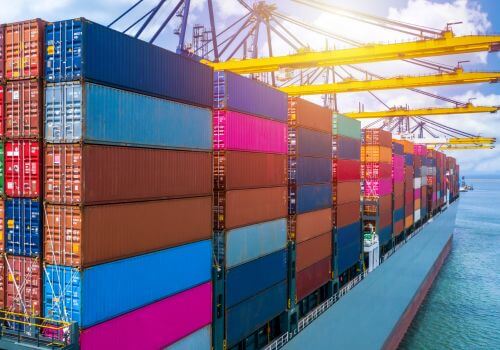
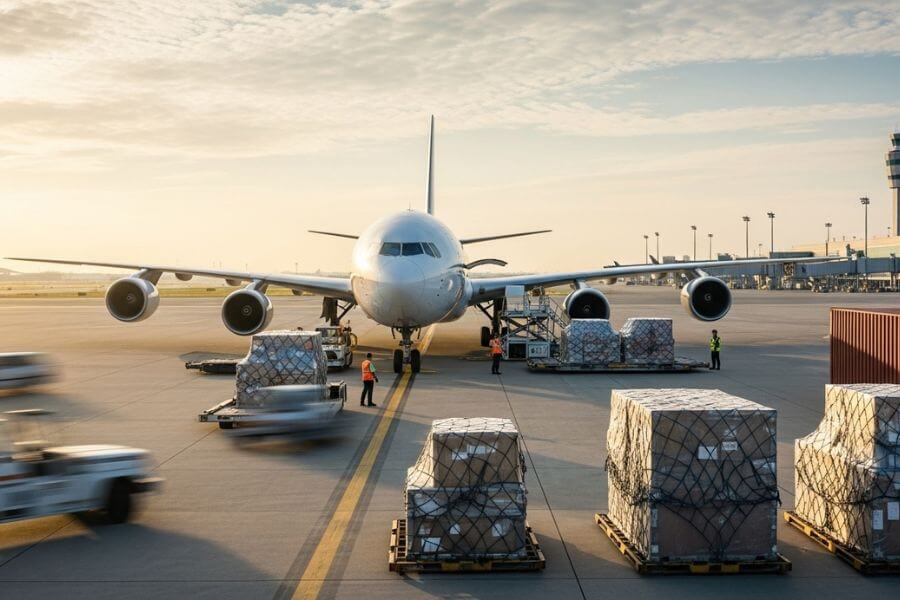
The transportation mode you choose: truck, rail, ocean, or air, has a direct and often dramatic impact on shipping costs. Air freight offers the fastest transit times but comes at a premium, making it suitable mainly for urgent, high-value, or time-sensitive shipments. Ocean freight is typically the most cost-effective option for long distances, though slower transit times and port fees must be factored into the total landed cost.
Road and rail freight fall between air and ocean in terms of speed and cost. Many businesses use intermodal shipping, combining rail for long-haul efficiency with trucking for first- and last-mile delivery. Selecting the right mode depends on cargo type, delivery deadlines, insurance requirements, and customer expectations, making this decision both a cost and service strategy.
4. Fuel Prices and Fuel Surcharges
Fuel is one of the largest variable expenses for freight carriers, which is why fuel prices strongly influence shipping rates. When diesel, gasoline, or bunker fuel prices rise, carriers typically apply fuel surcharges to offset higher operating costs. These surcharges are often calculated separately from base rates and can change frequently during volatile market conditions.
Fuel surcharges are usually tied to benchmark fuel prices, meaning even small increases can noticeably affect shipping invoices. When fuel prices fall, savings may not appear immediately, as surcharge reductions often lag behind market movements. Shippers can reduce exposure by using fuel-efficient carriers, optimizing routes, and leveraging long-term contracts with clear surcharge structures.
5. Supply, Demand, and Seasonality
Freight shipping operates in a constantly shifting market driven by supply and demand. When demand for freight capacity exceeds available trucks, containers, or vessel space, rates rise quickly. This often occurs during peak retail seasons, agricultural harvests, or periods of supply chain disruption. When demand softens, carriers may lower rates to maintain equipment utilization.
Seasonality plays a predictable role in freight pricing, particularly for retail, manufacturing, and food supply chains. Holidays, promotional campaigns, and back-to-school periods often strain capacity. Businesses that forecast demand accurately, book shipments early, and diversify their carrier network are better positioned to avoid paying inflated spot market rates during peak seasons.
6. Transit Speed and Service Level
How fast you need your freight delivered has a direct impact on cost. Expedited and time-definite shipping services require prioritized handling, tighter routing schedules, or premium modes such as air freight, all of which increase rates. Even within the same mode, guaranteed delivery windows cost more than standard transit options.
Service level also includes added features such as real-time tracking, temperature control, or enhanced security. While these services increase costs, they may be essential for sensitive shipments like pharmaceuticals, perishables, or high-value electronics. Balancing delivery speed with realistic customer expectations is a powerful way to manage freight costs without compromising reliability.
7. Cargo Type, Handling Requirements, and Risk
The type of cargo being shipped significantly affects freight pricing. Hazardous materials, oversized equipment, fragile items, and temperature-controlled goods require specialized equipment, trained personnel, and strict compliance procedures. These additional requirements increase operational complexity and result in higher freight rates and surcharges.
Risk also plays a role in pricing. High-value or theft-prone goods may require insurance, secure facilities, tracking systems, and sealed containers, all of which increase costs. Shippers that invest in proper packaging, accurate documentation, and clear handling instructions often experience fewer claims and can negotiate more favorable long-term freight agreements.
8. Customs, Duties, and Regulatory Compliance
For international and cross-border shipments, customs clearance, duties, taxes, and regulatory compliance can significantly impact total shipping costs. Import duties, VAT, brokerage fees, and inspections can sometimes exceed the base freight rate itself. Errors in classification or documentation may lead to delays, penalties, and storage charges.
Regulatory changes also affect freight pricing indirectly. Environmental regulations, such as low-sulfur fuel requirements in ocean shipping, and labor rules like driver hours-of-service limits, increase carrier operating costs. Working with experienced freight forwarders and customs brokers helps businesses stay compliant and avoid costly surprises.
9. Accessorial Charges and Hidden Fees
In addition to base freight rates, many shipments incur accessorial fees for services outside standard dock-to-dock transport. Common examples include liftgate service, residential delivery, inside delivery, detention, storage, appointment scheduling, and re-delivery charges. Each fee reflects additional time, labor, or equipment required by the carrier.
These charges are often overlooked during budgeting and quoting, leading to unexpected invoice totals. Facilities with poor dock access, limited receiving hours, or inefficient loading processes are especially prone to accessorial costs. Clear communication, improved warehouse operations, and negotiated accessorial terms can greatly improve cost predictability.
10. Carrier Selection and Contract Strategy
The choice of carrier or logistics partner plays a critical role in freight shipping costs. Different carriers specialize in different lanes, regions, equipment types, and service levels, which affects their pricing structures. Matching shipments with carriers that have strong network alignment often results in better rates and service performance.
Contract strategy is equally important. Long-term freight contracts provide stability and protection against market volatility, while spot market pricing offers flexibility but greater risk. Using shipment data, consolidation strategies, and transportation management systems (TMS) enables businesses to negotiate more effectively and secure sustainable freight savings over time.
Conclusion
Freight shipping costs are shaped by a complex mix of shipment characteristics, transportation choices, and real-time market dynamics, but they don’t have to be unpredictable. By understanding the most important cost drivers such as distance, weight and density, fuel surcharges, seasonality, and carrier contracts, businesses can take a proactive approach to managing logistics expenses. With better planning, smarter mode selection, and strong partnerships with reliable carriers, shippers can control freight costs, improve operational efficiency, and build a more resilient and profitable supply chain.