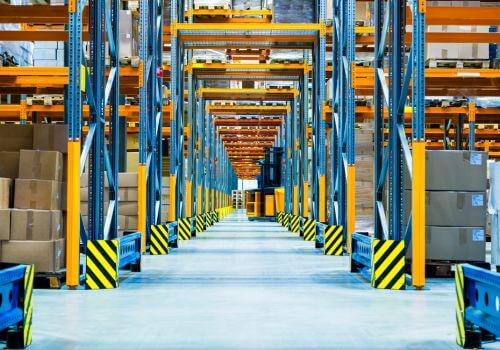
The U.S. logistics landscape is rapidly evolving as e-commerce growth, population shifts, and major infrastructure investments reshape where goods are stored, moved, and delivered. The fastest-growing logistics cities in the U.S. are emerging as critical hubs for warehousing, fulfillment, and last-mile delivery, offering strategic advantages for brands, 3PLs, and e-commerce sellers. Understanding which metros are expanding the quickest helps businesses optimize distribution networks, reduce shipping costs, and improve delivery speed in an increasingly competitive market.
1. Savannah, Georgia
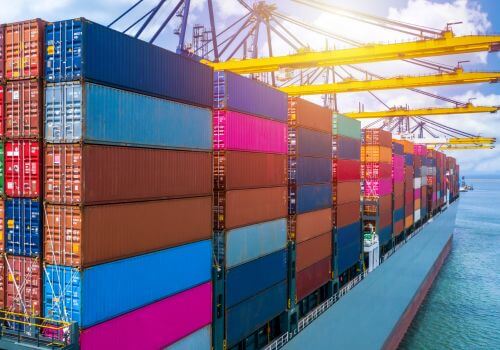
Savannah has evolved from a regional port city into one of the fastest-growing logistics hubs on the East Coast. Home to the third-busiest container port in the U.S., Savannah punches well above its weight in global supply chains. Over the past five years, the metro’s warehouse and distribution inventory has expanded by approximately 64%, one of the highest growth rates among major U.S. logistics markets. Ongoing investments in deeper berths, expanded container yards, and inland port connectivity continue to attract import-driven retail and ecommerce distribution networks.
2. Houston, Texas
Houston is no longer just an energy powerhouse; it has become one of the largest and fastest-expanding logistics metros in the U.S. Anchored by the Port of Houston, the region supports massive containerized, bulk, and export freight flows. In roughly five years, Houston added more than 72 million square feet of new warehouse and distribution space, ranking among the top U.S. metros by absolute logistics growth. With unmatched interstate and rail connectivity, Houston serves as a critical gateway for Gulf Coast imports, Latin American trade, and coast-to-coast domestic distribution.
3. Las Vegas, Nevada
Las Vegas has quickly transformed into a high-growth Southwest fulfillment and distribution hub. Its proximity to Southern California, combined with lower industrial costs and strong highway access, makes it a strategic alternative to coastal markets. Between 2019 and 2023, the Las Vegas metro saw approximately 43% growth in distribution inventory. Much of its logistics real estate is modern and ecommerce-ready, featuring high clear heights and layouts designed for automation, making it especially attractive to 3PLs and direct-to-consumer brands.
4. Olympia-Lacey-Tumwater, Washington
The Olympia-Lacey-Tumwater metro has emerged as a quiet logistics breakout market in the Pacific Northwest. Located along the I-5 corridor, it complements the larger Seattle-Tacoma region while offering newer and more specialized industrial space. From 2019 to 2023, the area recorded a 52.7% increase in warehouse and distribution inventory, one of the fastest growth rates nationwide. Nearly 90% of its industrial space is dedicated to logistics, giving it one of the most focused and modern distribution profiles in the U.S.
5. Jacksonville, Florida
Jacksonville is rapidly gaining traction as a key Southeast logistics hub, driven by strong port access, interstate connectivity, and Florida’s population growth. Its port handles containers, vehicles, and breakbulk cargo, supporting both import and export flows. Recent logistics market analyses consistently rank Jacksonville as a rising hotspot, supported by expanding warehouse development and growing e-commerce demand. The city is increasingly attractive for regional distribution centers, omnichannel fulfillment, and export-oriented operations.
6. Kansas City, Missouri
Kansas City remains one of the most strategically positioned central U.S. logistics hubs, with unmatched access to Class I railroads and major interstate highways. This connectivity makes it ideal for national truckload and intermodal distribution networks. Frequently ranked among the top warehousing and co-warehousing markets, Kansas City continues to expand through large-scale industrial parks and intermodal investments. The metro is particularly appealing to shippers looking to balance delivery times to both U.S. coasts while controlling line-haul costs.
7. Denver, Colorado
Denver has emerged as a fast-growing Rocky Mountain logistics hub, serving the interior West and surrounding states. Its position along I-25 and I-70 provides efficient access to the Great Plains, Southwest, and Pacific Northwest. With strong population growth and rising e-commerce penetration, Denver’s warehouse and fulfillment footprint continues to expand. Analysts increasingly classify the metro as an “on-the-move” logistics market, especially for regional fulfillment and last-mile distribution.
8. Columbus, Ohio
Columbus is one of the Midwest’s most established and fast-growing logistics centers, benefiting from next-day ground access to a large share of the U.S. population. This central reach makes it a cornerstone for national ecommerce and retail distribution networks. Supported by dense highway infrastructure, intermodal rail access, and air cargo capabilities, Columbus continues to attract major warehouse expansions. Its momentum remains strong for high-volume fulfillment and omnichannel logistics operations.
9. Memphis, Tennessee
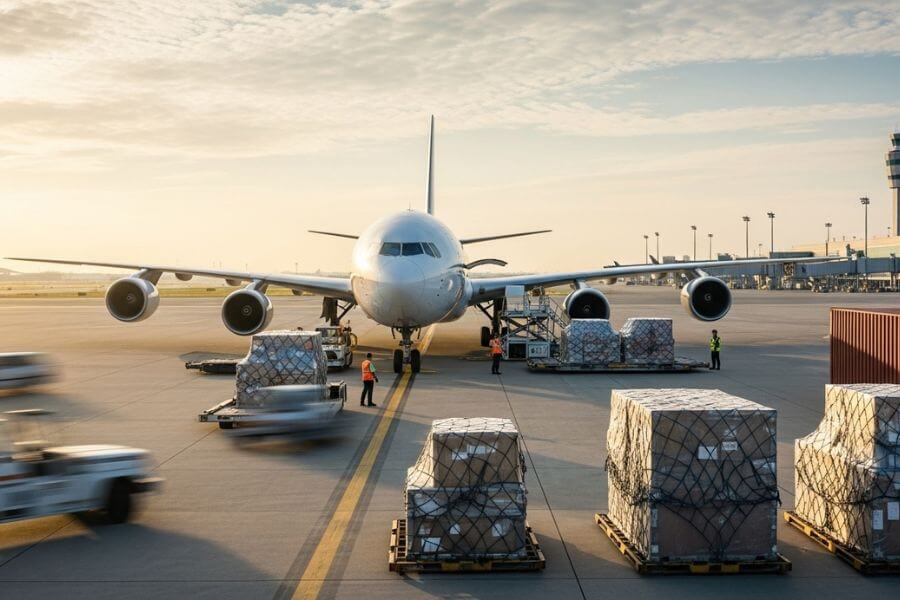
Memphis continues to grow as a global logistics powerhouse, anchored by one of the world’s busiest cargo airports. The city plays a critical role in express shipping and time-sensitive freight movement. Beyond air cargo, Memphis sits at a major trucking and intermodal crossroads along the Mississippi River. Continued investment in distribution infrastructure keeps the metro on a growth trajectory, especially for shippers prioritizing speed, reliability, and national reach.
10. Los Angeles, California
Despite its maturity, Los Angeles remains one of the most influential and fastest-moving logistics markets in the U.S. The Los Angeles–Long Beach port complex is the nation’s largest container gateway and a critical link in trans-Pacific trade. Extensive freeway and rail networks, combined with proximity to one of the largest consumer markets in the world, sustain continued logistics growth. Even as some cargo diversifies to other ports, ongoing investment in logistics real estate and inland corridors keeps Los Angeles central to import-driven ecommerce and retail supply chains.
Conclusion
As supply chains become more regionalized and e-commerce demand continues to rise, the fastest-growing logistics cities in the U.S. will play an even greater role in shaping future distribution strategies. These metros stand out for their expanding warehouse capacity, strong transportation connectivity, and proximity to growing consumer markets. For ecommerce brands, logistics providers, and shippers planning for long-term growth, aligning operations with these high-momentum logistics hubs can unlock greater efficiency, resilience, and scalability across the U.S. supply chain.