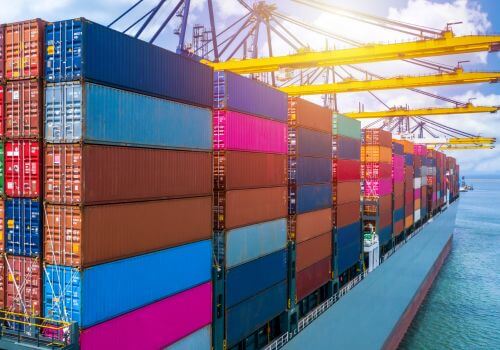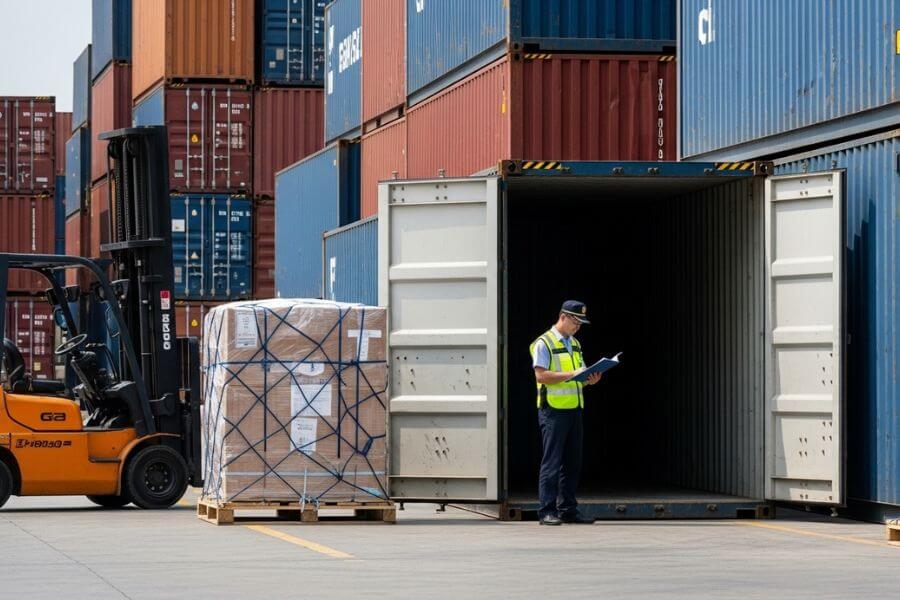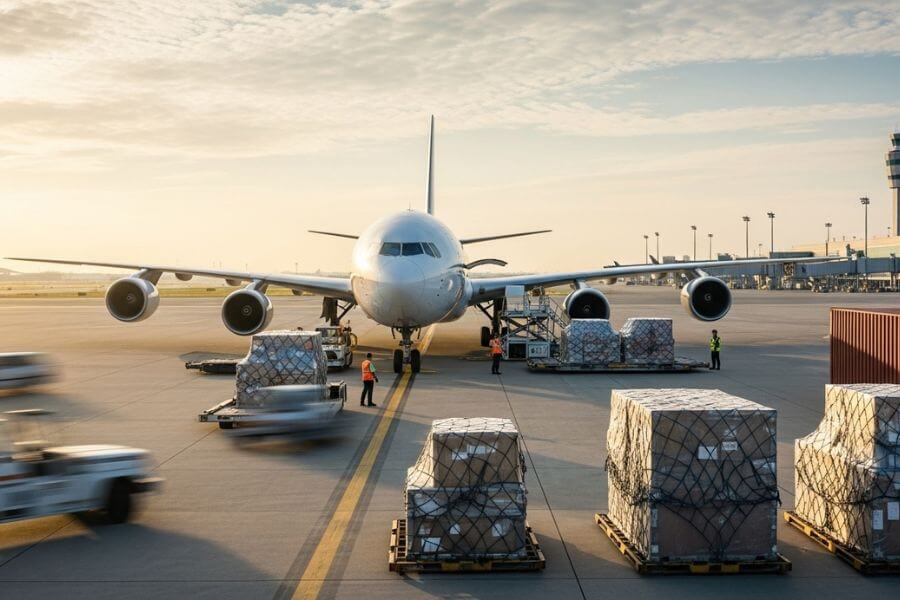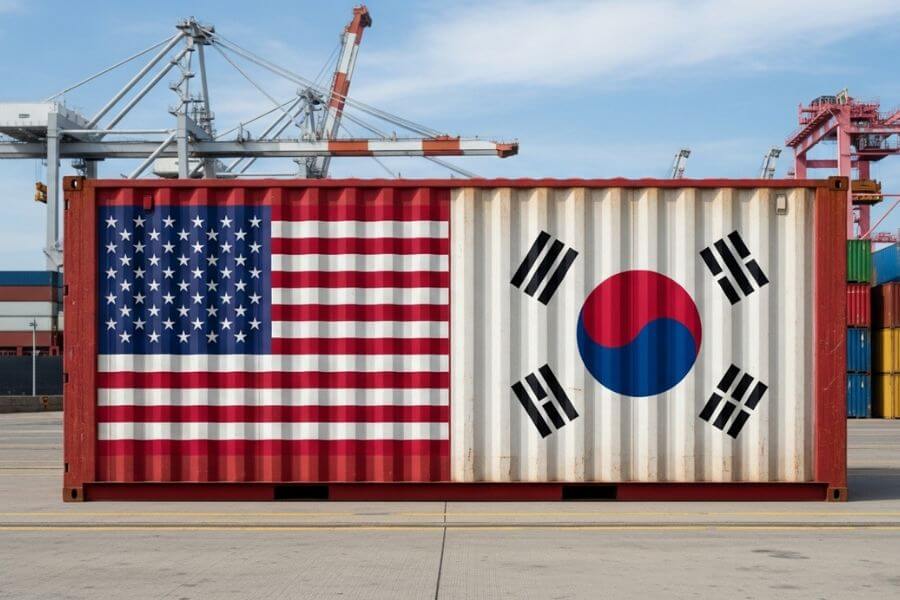
The United States and South Korea share one of the strongest and most dynamic trade relationships in the world. Powered by advanced manufacturing, cutting-edge technology, and a deep supply-chain partnership, both countries exchange billions of dollars’ worth of goods every year. From semiconductors and automobiles to aircraft and agricultural products, U.S.-Korea trade continues to grow, strengthened further by the Korea-U.S. Free Trade Agreement (KORUS FTA).
In this article, we’ll break down the top 10 most traded goods between the U.S. and South Korea, explaining their importance, the industries they support, and why they remain central to bilateral trade.
1. Semiconductors and Electronic Components
Semiconductors are the backbone of the U.S.-Korea trade relationship, and they represent one of the largest exchanged goods in both directions. South Korea, home to Samsung Electronics and SK Hynix, is one of the world’s top semiconductor producers. Dynamic random-access memory (DRAM), NAND flash memory, integrated circuits, and logic chips are constantly in high demand in U.S. industries like consumer electronics, cloud computing, telecommunications, and automotive manufacturing. At the same time, the U.S. also exports semiconductor manufacturing equipment and specialty chips back to Korea, fueling Korea’s massive chip-fabrication ecosystem. With both countries investing heavily in chip security and supply chain resilience, semiconductors will remain the most critical trade item for years to come.
2. Automobiles and Auto Parts
Automobiles are another pillar of U.S.-Korea trade. South Korean automakers Hyundai, Kia, and Genesis export millions of vehicles to the U.S. each year, making Korea one of America’s top sources of imported cars. Popular models include sedans, SUVs, and electric vehicles (EVs), which are rapidly gaining momentum in the U.S. market. In return, the U.S. supplies Korea with high-value auto parts, specialized manufacturing components, vehicle chassis, and engine systems. This two-way exchange fuels manufacturing plants, supports dealerships, and maintains supply chains for EV batteries and mobility technologies. The continued shift toward green mobility and autonomous drones ensures auto-related trade stays robust.
3. Machinery and Industrial Equipment
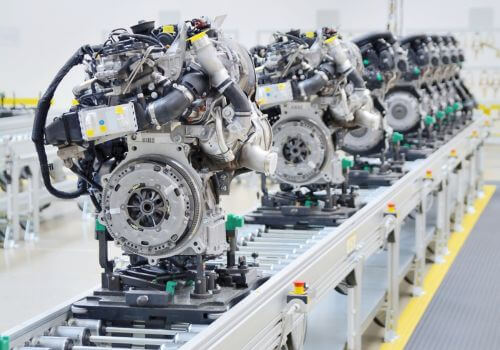
Machinery represents a vital trade category, covering manufacturing systems, robotics, heavy-duty equipment, and precision tools. South Korean companies rely heavily on U.S. machinery to power their factories, while the U.S. imports Korean-made industrial equipment used in construction, energy, shipping, and automated production lines. CNC machines, pumps, turbines, and industrial robots move frequently between both countries. As industries modernize through automation and digital transformation, demand for high-tech machinery continues to grow. This category also includes renewable-energy machinery and smart-factory equipment, both rapidly expanding in Korea and the United States.
4. Petroleum and Mineral Fuels
Energy trade plays a major role in U.S.-Korea economic relations. The United States is one of the world’s top producers of crude oil, liquefied natural gas (LNG), and refined petroleum products, and South Korea, lacking natural resources, depends heavily on energy imports. U.S. LNG exports have skyrocketed in recent years, helping Korea diversify energy sources and stabilize supply. Korea also imports American crude oil for its advanced refining sector, which then processes fuels for domestic use and re-exports refined products to other Asian markets. In the opposite direction, Korea exports petrochemical products back to the United States, strengthening both nations’ manufacturing industries.
5. Pharmaceuticals and Medical Equipment
Pharmaceuticals and medical devices form another key trade category, especially given both countries’ strong healthcare industries. The United States exports advanced medical equipment, biotechnology products, and patented pharmaceuticals used in Korean hospitals and research centers. Meanwhile, South Korea exports generic drugs, therapeutic medicines, diagnostic kits, and medical instruments to the U.S. market. Korea’s biotech sector, fueled by leading firms like Samsung Biologics and Celltrion, continues to expand, supplying biologics, biosimilars, and monoclonal antibody treatments globally. As both populations age and healthcare spending rises, this category is expected to grow significantly.
6. Steel and Metal Products
Steel has long been a cornerstone of South Korea’s industrial economy, with companies like POSCO supplying high-quality steel products worldwide. The U.S. imports a wide range of Korean steel products, including rolled steel, pipes, tubes, and specialty metal alloys used in construction, automotive manufacturing, shipbuilding, and infrastructure development. In return, America ships metal scrap, aluminum products, and specialized steel parts to South Korea, supporting factories and fabrication plants. Trade policies, including tariff adjustments under KORUS, continue to shape this category, yet steel remains a high-volume and strategically important commodity for both markets.
7. Aircraft, Aerospace Parts, and Defense Equipment
Aerospace and defense cooperation between the U.S. and South Korea runs deep, driven by military alliances and commercial aviation needs. The United States exports aircraft, engines, avionics, missile systems, and defense equipment used by Korea’s Air Force, Navy, and commercial airlines. Boeing parts, propulsion systems, and advanced navigation equipment are among the top imports for Korea. In return, South Korea exports aerospace components, composite materials, and precision-engineered parts used in U.S. aircraft manufacturing. The growing presence of Korean suppliers in aerospace technology and the continuous modernization of Korea’s defense capabilities ensure strong growth in this sector.
8. Plastics, Chemicals, and Petrochemicals
Chemical products, especially plastics, are major exports from South Korea to the United States. Korea’s petrochemical industry produces high-demand goods like polypropylene, polyethylene, plastic resins, industrial chemicals, and rubber products. These materials are essential for U.S. industries such as packaging, consumer goods, electronics, construction, and automotive manufacturing. Meanwhile, the United States exports chemical feedstocks, specialty chemicals, and agricultural chemicals used in Korea’s industrial and farming sectors. Korea’s sophisticated refining and chemical-processing infrastructure keeps this trade category consistently strong and competitive globally.
9. Agricultural Products (Beef, Pork, Fruits, Grains, and More)
Agricultural trade between the U.S. and South Korea has grown dramatically over the past decade. The United States is one of Korea’s top suppliers of beef, pork, corn, soybeans, nuts, dairy products, and fresh fruits. American beef and cherries, in particular, are extremely popular among Korean consumers, and seasonal agricultural shipments represent a major portion of annual import volumes. In return, Korea sends food products, packaged goods, and processed foods to the U.S. market. The KORUS FTA has reduced tariffs on many agricultural items, making U.S. farm products more accessible and strengthening food-supply partnerships between the two countries.
10. Consumer Electronics and Household Appliances
Consumer electronics: smartphones, laptops, monitors, appliances, and digital devices represent one of South Korea’s signature export categories to the United States. Brands like Samsung and LG dominate the U.S. electronics and home-appliance markets, shipping TVs, refrigerators, washers, air conditioners, mobile devices, and computer components. These products fill American households, corporate offices, and retail stores nationwide. Conversely, the United States exports electronic components, software technologies, and precision instruments used in Korean electronics manufacturing. With continued innovation in AI, IoT devices, and home automation, electronics remain a key force behind U.S.-Korea trade growth.
Conclusion
The U.S.-South Korea trade relationship is built on innovation, industrial strength, and deep economic cooperation. From semiconductors and automobiles to aerospace parts and agricultural goods, both nations benefit from a balanced and diversified exchange of high-value products. The KORUS FTA continues to streamline trade, reduce barriers, and support manufacturers, logistics providers, and consumers in both countries. As global supply chains evolve, the partnership between the United States and South Korea will only become more important, driving new opportunities in technology, energy, mobility, defense, and sustainability.