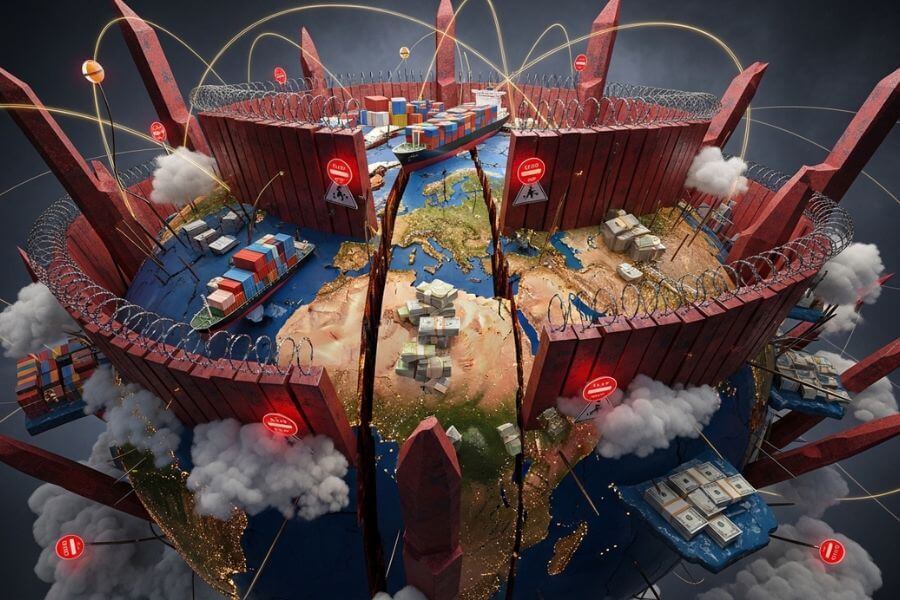
Trade barriers continue to reshape global markets by increasing costs, limiting market access, and complicating supply chains. As protectionist policies expand in 2026, exporters and importers face a complex mix of tariffs, regulations, geopolitical risks, and digital restrictions. Understanding these top 10 trade barriers is essential for businesses seeking resilience, compliance, and sustainable growth in international trade.
1. Tariffs and Duties
Tariffs and duties remain one of the most direct trade barriers, raising import costs and reducing price competitiveness in foreign markets. In recent years, major economies have increased tariff levels, particularly in manufacturing and industrial goods, disrupting global demand and investment planning. These measures often trigger retaliatory tariffs, amplifying uncertainty across supply chains. Smaller and developing economies are disproportionately affected, facing reduced export revenues and fiscal pressure. For global businesses, tariffs translate into higher landed costs, margin erosion, and the need to redesign sourcing and pricing strategies to stay competitive.
2. Non-Tariff Barriers (NTBs)
Non-tariff barriers restrict trade without imposing direct taxes, using tools such as quotas, licensing requirements, technical standards, and inspections. Today, NTBs affect nearly two-thirds of global trade, creating significant compliance burdens for exporters. Since 2020, tens of thousands of discriminatory measures have emerged, often justified by health, environmental, or national security concerns. While sometimes legitimate, these measures frequently delay market entry and increase administrative costs. Industries like food, agriculture, electronics, and pharmaceuticals are especially impacted, making NTBs one of the most complex barriers to manage.
3. Regulatory Compliance Issues
Regulatory fragmentation across countries is a growing obstacle to global trade. Differing rules on product safety, labeling, quality standards, data protection, and environmental compliance require constant adaptation. In 2026, expanded policies such as the EU’s Carbon Border Adjustment Mechanism (CBAM) increase compliance costs for carbon-intensive imports like steel, cement, and aluminum. Failure to comply can result in shipment delays, fines, or outright bans. As regulations multiply, companies increasingly depend on customs brokers, legal advisors, and trade compliance software to navigate this evolving global patchwork.
4. Geopolitical Risks and Sanctions
Geopolitical tensions have become a major trade barrier, fragmenting supply chains and increasing uncertainty. Trade wars, economic sanctions, export controls, and strategic decoupling, particularly between major economies, force businesses to reroute shipments, shift suppliers, or reshore production. These changes often raise operational costs and reduce efficiency. Sanctions also restrict access to key markets, financial systems, and critical inputs. Commodity-dependent nations and export-driven industries are especially vulnerable, as political decisions increasingly override purely economic trade considerations.
5. Technical Standards and SPS Measures
Technical barriers to trade and sanitary and phytosanitary (SPS) measures are designed to protect human, animal, and plant health, but they often function as hidden trade barriers. Many imports are rejected due to differing safety standards, testing requirements, or environmental rules that lack clear scientific justification. New sustainability-driven regulations, such as deforestation-free supply chain rules, add further complexity. Non-compliance can halt shipments entirely, causing costly delays and losses. These measures tend to favor domestic producers while placing heavier burdens on foreign exporters.
6. Intellectual Property (IP) Protection Gaps
Weak intellectual property protection remains a significant trade barrier, discouraging foreign investment and technology transfer. Inadequate enforcement of patents, copyrights, trademarks, and trade secrets increases the risk of counterfeiting and unauthorized use. This undermines innovation-driven trade, particularly in pharmaceuticals, software, entertainment, and advanced manufacturing. Persistent IP concerns in certain markets make businesses hesitant to expand or share proprietary technologies. Strong IP protection is essential for trust-based global trade, yet gaps continue to limit cross-border collaboration and long-term market entry.
7. Data Localization and Digital Trade Rules
Data localization laws require companies to store or process data within national borders, creating barriers for digital trade and cross-border services. These rules, often tied to privacy, cybersecurity, or national security concerns, complicate operations for global e-commerce platforms, fintech firms, and cloud service providers. Compliance increases costs and limits scalability, particularly for small and medium-sized businesses. As digital trade grows, fragmented digital regulations threaten the free flow of data, disproportionately affecting services trade and online retail in global markets.
8. Subsidies and State-Owned Enterprises
Government subsidies and the dominance of state-owned enterprises distort global competition by artificially lowering production and export costs. These practices undercut private competitors and trigger trade disputes, countervailing duties, and anti-subsidy investigations. Sectors such as manufacturing, energy, and transportation are particularly affected. While subsidies are often justified for economic development or stability, they challenge fair trade principles under WTO rules. Ongoing disputes slow market liberalization and create uncertainty for businesses competing against state-backed rivals.
9. Government Procurement Restrictions
Government procurement remains a closed market in many countries, limiting access for foreign suppliers. Opaque bidding processes, local content requirements, and preferential treatment for domestic firms restrict competition despite international agreements. Infrastructure, defense, healthcare, and public services are especially affected. These restrictions prevent global businesses from accessing large public contracts and reduce efficiency in public spending. Even where WTO procurement rules exist, enforcement gaps allow protectionist practices to persist, making procurement a significant yet often overlooked trade barrier.
10. Supply Chain and Logistical Disruptions
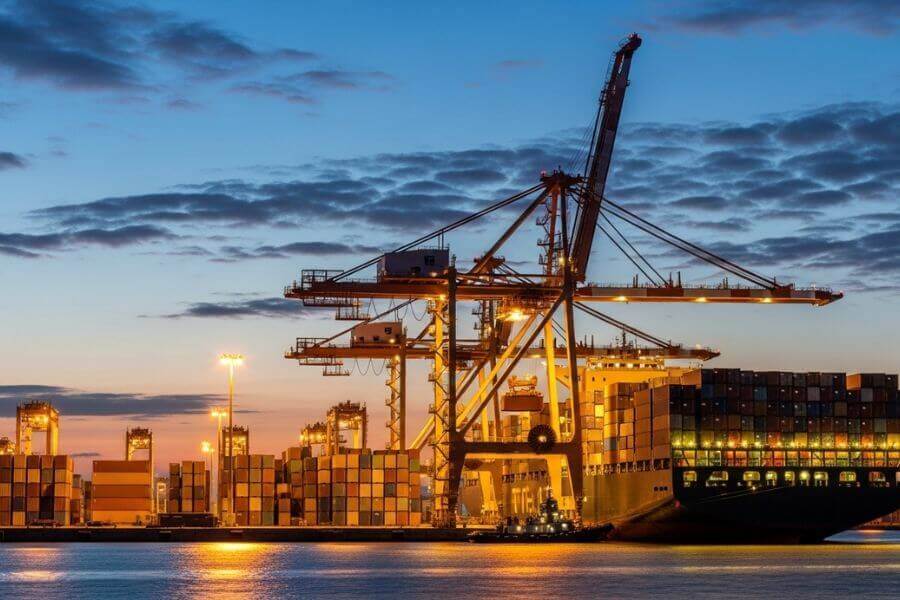
Although not formal trade barriers, supply chain and logistics disruptions significantly amplify trade friction. Port congestion, extreme weather events, labor shortages, and policy-induced delays increase transit times and costs. Geopolitical tensions further strain shipping routes and logistics infrastructure. These disruptions reduce reliability and predictability in global trade, forcing companies to hold more inventory or diversify suppliers. While technology and visibility tools help mitigate risks, logistical challenges remain a major obstacle to smooth cross-border commerce.
Conclusion
Trade barriers affecting global markets are becoming more complex and interconnected, impacting costs, compliance, and supply chain resilience worldwide. From tariffs and non-tariff barriers to digital trade restrictions and geopolitical risks, businesses must stay informed and adaptable to remain competitive. Leveraging free trade agreements, diversifying sourcing partners, investing in trade compliance tools, and closely monitoring policy changes can help companies mitigate risks and navigate global trade barriers effectively in an increasingly protectionist environment.