An optimized warehouse layout is the backbone of fast order fulfillment, lower operating costs, and happier customers. Poor layouts increase travel time, picking errors, and labor fatigue, while smart designs improve productivity and scalability. Whether you run an e-commerce fulfillment center, a 3PL warehouse, or a growing storage facility, these warehouse layout optimization tips will help you maximize space, streamline workflows, and prepare for future growth. Below are the top 10 warehouse layout optimization tips every warehouse manager should implement.
1. Design the Layout Around Warehouse Flow
The most effective warehouse layouts are built around smooth, logical product flow. Map the journey from receiving to storage, picking, packing, and shipping, and eliminate unnecessary backtracking or cross-traffic. High-volume items should move through the shortest paths, while slow-moving stock can be stored farther away. A well-planned flow reduces congestion, shortens picking routes, and minimizes handling time. This approach also improves safety by separating pedestrian and equipment traffic. Optimizing flow is the foundation of warehouse efficiency and should always be the first step in layout planning.
2. Use Slotting Optimization for Faster Picking
Slotting optimization places products in storage locations based on demand, size, weight, and picking frequency. Fast-moving SKUs should be stored near packing stations or at waist height to reduce travel and bending. Heavier items belong on lower racks to improve safety, while frequently ordered items should be grouped together. Regularly reviewing sales data and updating slotting strategies ensures the layout adapts to changing demand. Proper slotting significantly cuts picking time, reduces worker fatigue, and increases order accuracy, making it one of the most impactful warehouse layout optimization strategies.
3. Maximize Vertical Space with Smart Racking
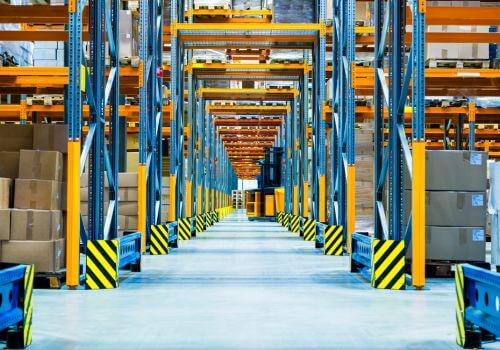
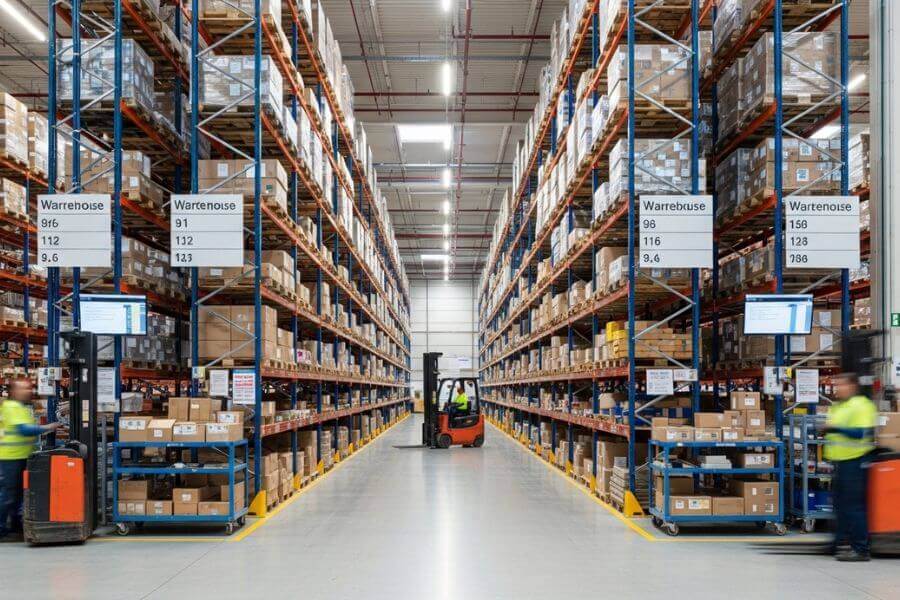
Many warehouses underutilize vertical space, leading to wasted square footage and overcrowded aisles. Installing taller racks, mezzanines, or multi-level shelving allows you to store more inventory without expanding the facility. Vertical optimization is especially valuable for high-rent locations and growing e-commerce operations. However, safety and accessibility must be prioritized by using appropriate material handling equipment and clear labeling. When designed correctly, vertical storage improves capacity, organization, and scalability while keeping floor space clear for smooth warehouse operations.
4. Optimize Aisle Width for Equipment and Traffic
Aisle width directly impacts warehouse efficiency, safety, and storage density. Narrow aisles increase storage capacity but may slow down forklifts or picking carts if not planned carefully. Wider aisles improve traffic flow and reduce collision risks, but consume valuable space. The key is balancing aisle width with the type of equipment used, such as reach trucks or pallet jacks. Clearly marked lanes and one-way traffic systems further enhance movement. Optimized aisles reduce congestion, speed up picking, and create a safer working environment for warehouse staff.
5. Place Receiving and Shipping Areas Strategically
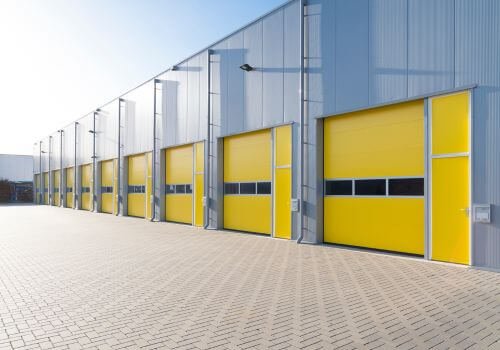
Receiving and shipping zones should be positioned to minimize internal travel distances. Ideally, these areas are located near main access points and connected directly to storage and packing zones. Cross-docking setups, where incoming goods are shipped out quickly without long-term storage, benefit from layouts that place receiving and shipping close together. Proper staging areas prevent bottlenecks during peak periods. A strategic placement of these zones improves turnaround time, reduces handling costs, and ensures smoother inbound and outbound logistics operations.
6. Create Dedicated Picking, Packing, and Value-Added Zones
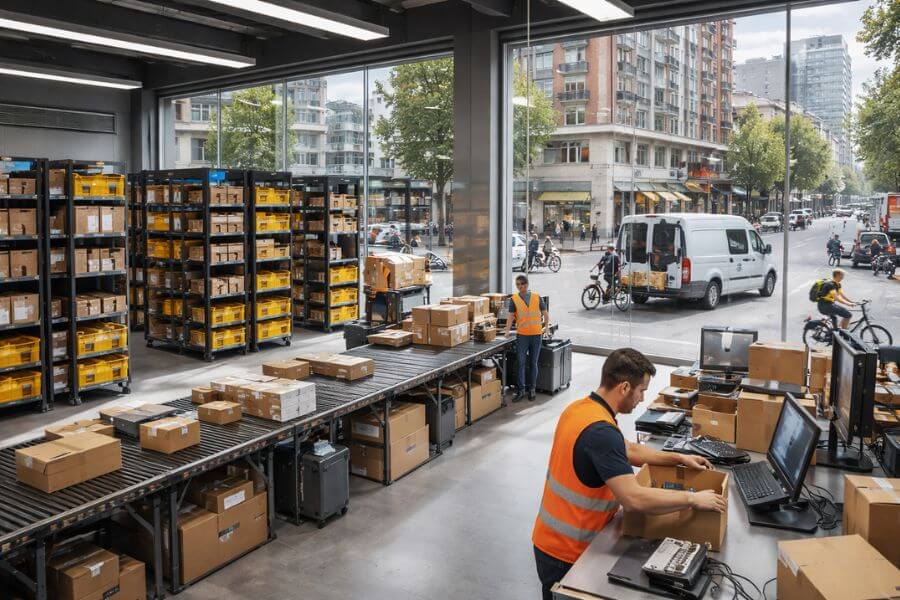
Separating picking, packing, and value-added service areas helps streamline workflows and reduce confusion. Dedicated zones prevent overlapping tasks that can cause delays or errors. Packing stations should be located close to picking areas and shipping docks to minimize movement. Value-added services such as kitting, labeling, or quality checks should have their own space to avoid disrupting core operations. Zoning improves efficiency, enhances accuracy, and allows teams to focus on specific tasks without unnecessary interruptions, leading to faster and more reliable order fulfillment.
7. Use Data and Technology to Guide Layout Decisions
Warehouse layout optimization should be driven by data, not guesswork. Analyze order history, SKU velocity, peak times, and labor movement to identify inefficiencies. Warehouse Management Systems (WMS), heat maps, and picking path analysis tools provide valuable insights into how space is actually used. Data-driven layouts adapt better to seasonal demand and business growth. By continuously monitoring performance metrics and adjusting layouts accordingly, warehouses can maintain high efficiency, reduce costs, and stay competitive in fast-moving e-commerce environments.
8. Improve Visibility with Clear Labeling and Signage
Clear labeling and signage are simple yet powerful layout optimization tools. Well-labeled aisles, racks, bins, and zones reduce picking errors and training time for new staff. Color-coded sections and large, readable signs help workers navigate the warehouse quickly, especially during peak seasons. Digital displays or barcode systems further enhance accuracy and speed. Improved visibility minimizes confusion, shortens search time, and increases overall productivity. A well-organized warehouse is easier to manage, scale, and audit, making labeling a high-ROI optimization strategy.
9. Design for Flexibility and Future Growth
A warehouse layout should never be static. Designing flexible layouts allows you to adapt to new products, higher order volumes, and changing fulfillment models. Modular racking, adjustable shelving, and movable workstations make reconfiguration easier and less costly. Planning for growth reduces the need for disruptive overhauls later. Flexible layouts also support seasonal fluctuations and new services like returns processing or same-day shipping. Future-ready warehouse designs protect long-term efficiency and ensure your operation can scale without chaos.
10. Prioritize Safety and Ergonomics in Layout Planning
Safety and ergonomics are essential components of warehouse layout optimization. Poorly designed layouts increase injury risk, employee turnover, and downtime. Ensure clear walkways, proper lighting, and safe equipment spacing throughout the facility. Frequently handled items should be stored at ergonomic heights to reduce strain. Emergency exits, fire lanes, and safety zones must remain unobstructed. A safe and comfortable warehouse improves employee morale, productivity, and retention while reducing liability. Optimizing for safety ultimately leads to smoother and more sustainable operations.
Conclusion
Optimizing your warehouse layout is a powerful way to improve efficiency, reduce operating costs, and support faster order fulfillment. By applying these warehouse layout optimization tips, from improving product flow and slotting to leveraging data and designing for growth, you can create a safer, more scalable operation. A well-planned layout boosts productivity, accuracy, and customer satisfaction, giving your business a competitive edge in today’s fast-paced e-commerce and logistics environment.