Freight costs have become one of the biggest challenges for businesses in today’s global supply chain. Rising fuel prices, labor shortages, port congestion, and increased e-commerce demand have all contributed to higher shipping expenses. For manufacturers, retailers, and e-commerce brands alike, freight can easily eat into profit margins if not managed carefully.
The good news is that reducing freight costs doesn’t always mean cutting corners or slowing down deliveries. With the right strategies, companies can optimize logistics operations, negotiate better rates, and improve efficiency while still meeting customer expectations. In this guide, we’ll explore the top 10 proven ways to reduce freight costs, focusing on practical, scalable solutions that work for businesses of all sizes.
1. Optimize Freight Mode Selection
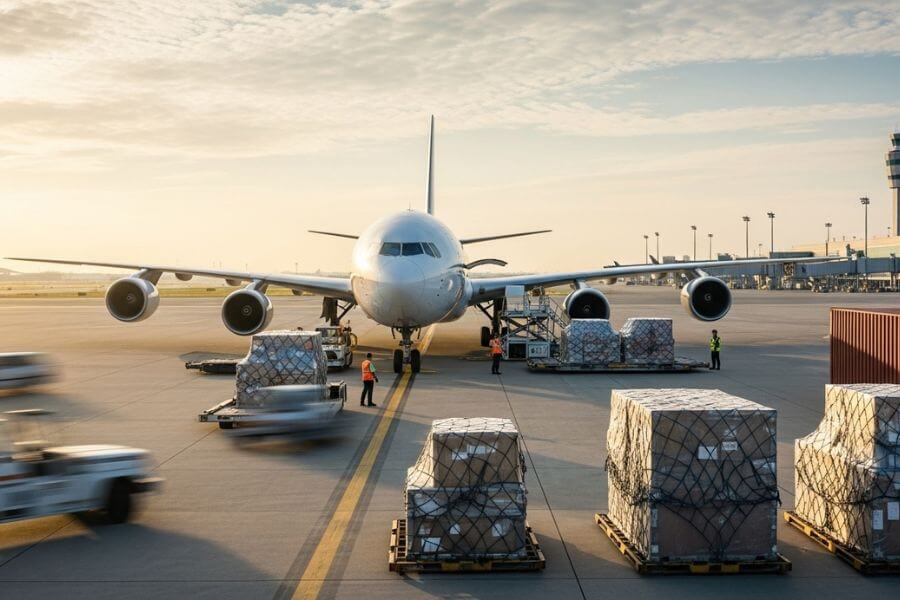
One of the most effective ways to reduce freight costs is by choosing the right transportation mode for each shipment. Many businesses default to faster options like air freight without fully evaluating whether the speed is truly necessary. While air shipping offers shorter transit times, it comes at a significantly higher cost compared to ocean, rail, or ground transportation.
By carefully analyzing delivery timelines and customer expectations, companies can shift non-urgent shipments to more cost-effective modes. For example, ocean freight or rail transport is ideal for large, heavy, or non-time-sensitive goods, while ground shipping works well for domestic deliveries. A strategic mix of transport modes, often referred to as intermodal shipping, can dramatically lower freight expenses while maintaining reliable delivery schedules.
2. Consolidate Shipments Whenever Possible
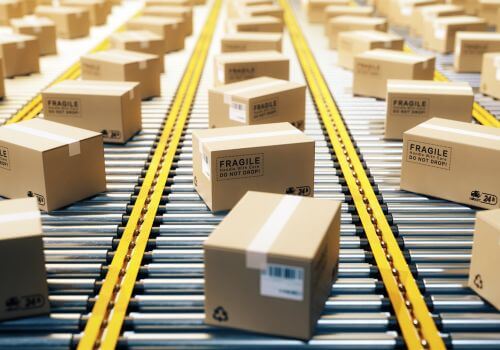
Shipment consolidation is a powerful yet often underutilized cost-saving strategy. Sending multiple smaller shipments separately typically results in higher per-unit shipping costs, especially when using less-than-truckload (LTL) or parcel services. Consolidating orders into fewer, larger shipments can help businesses qualify for better rates and reduce handling fees.
Consolidation can be done at various levels, such as combining orders going to the same destination, shipping on fixed schedules, or using regional distribution hubs. While consolidation may slightly increase transit time, the cost savings often outweigh the delay. With proper planning and inventory management, businesses can reduce freight costs significantly without negatively impacting customer satisfaction.
3. Negotiate Better Rates With Carriers
Many companies overlook the importance of regular carrier rate negotiations, assuming that shipping prices are fixed. In reality, freight rates are often negotiable, especially for businesses with consistent shipping volumes. Carriers are more likely to offer discounts when they see predictable demand and long-term partnership potential.
To negotiate effectively, businesses should analyze shipping data such as volume, lanes, frequency, and seasonal trends. This information strengthens your position during negotiations and allows you to request customized pricing. Working with multiple carriers instead of relying on a single provider also creates competition, which can lead to more favorable rates and service terms.
4. Improve Packaging Efficiency
Packaging plays a major role in determining freight costs, especially for parcel and dimensional-weight pricing models. Oversized or poorly designed packaging can result in higher shipping fees, even if the product itself is lightweight. Optimizing packaging helps reduce wasted space, lower dimensional weight charges, and improve load efficiency.
Businesses can reduce costs by using right-sized boxes, lightweight materials, and standardized packaging where possible. Not only does efficient packaging lower freight expenses, but it also reduces material costs and supports sustainability goals. Small changes in packaging design can lead to substantial long-term savings across high shipping volumes.
5. Leverage Freight Auditing and Invoice Review
Freight billing errors are more common than many businesses realize. Incorrect rates, duplicate charges, accessorial fees, and billing discrepancies can quietly inflate shipping costs over time. Implementing a freight auditing process helps identify and recover these unnecessary expenses.
By regularly reviewing freight invoices against contracted rates and shipment data, businesses can catch errors before they impact the bottom line. Many companies choose to automate this process using freight audit software or third-party logistics providers. Even recovering a small percentage of billing errors can result in meaningful annual savings, especially for high-volume shippers.
6. Use Technology for Route and Load Optimization
Modern logistics technology offers powerful tools for reducing freight costs through better planning and optimization. Transportation management systems (TMS) and route optimization software analyze shipment data to identify the most efficient routes, carrier combinations, and load configurations.
These systems help minimize empty miles, reduce fuel consumption, and avoid unnecessary detours or delays. Load optimization ensures that trucks and containers are filled as efficiently as possible, maximizing capacity and lowering cost per unit. Investing in the right technology not only reduces freight expenses but also improves visibility and decision-making across the supply chain.
7. Partner With a Reliable 3PL or Freight Forwarder
Working with a third-party logistics provider (3PL) or freight forwarder can significantly reduce freight costs, especially for small to mid-sized businesses. These partners leverage aggregated shipping volumes across multiple clients to secure lower carrier rates that individual companies may not be able to access on their own.
In addition to better pricing, experienced logistics partners offer expertise in carrier selection, customs clearance, and regulatory compliance. They can also help optimize warehouse locations and fulfillment strategies to reduce overall transportation distance. A strong logistics partnership transforms freight management from a cost center into a strategic advantage.
8. Reduce Accessorial and Hidden Fees
Accessorial charges such as fuel surcharges, liftgate fees, residential delivery charges, and detention fees can quickly add up and inflate freight costs beyond the base rate. Many of these fees are avoidable with better planning and communication.
For example, ensuring accurate shipment details, proper scheduling, and correct delivery addresses can prevent unexpected charges. Reviewing contracts carefully and understanding when accessorial fees apply allows businesses to plan shipments more strategically. Reducing hidden fees not only lowers costs but also improves transparency and predictability in freight spending.
9. Optimize Inventory Placement and Warehouse Locations
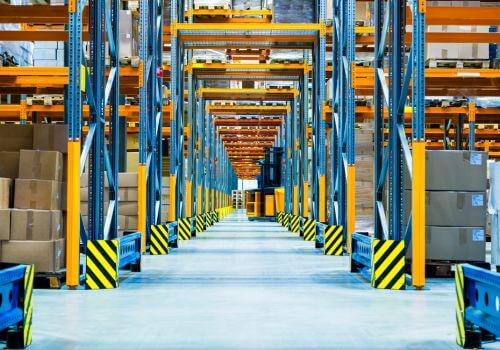
Freight costs are heavily influenced by how far goods need to travel. Businesses that store all inventory in a single location may face higher shipping expenses, especially when serving customers across large geographic regions. Strategically placing inventory closer to end customers can significantly reduce transportation distance and cost.
Using regional fulfillment centers or distributed warehousing helps shorten delivery routes, reduce transit times, and lower shipping expenses. While managing multiple warehouses requires careful coordination, the reduction in freight costs and improved delivery speed often justifies the investment, particularly for e-commerce and omnichannel brands.
10. Analyze Data and Continuously Improve Freight Strategy
Reducing freight costs is not a one-time effort but an ongoing process. Businesses that consistently analyze shipping data gain valuable insights into cost drivers, inefficiencies, and improvement opportunities. Metrics such as cost per shipment, cost per unit, on-time delivery rates, and carrier performance provide a clear picture of logistics performance.
By regularly reviewing this data, companies can adjust strategies, renegotiate contracts, test new carriers, and adopt emerging technologies. Continuous improvement ensures that freight operations remain flexible and cost-efficient, even as market conditions and customer expectations change.
Conclusion
Freight costs may be unavoidable, but excessive freight costs are not. By applying the strategies outlined above, ranging from mode optimization and shipment consolidation to technology adoption and strategic partnerships, businesses can significantly reduce logistics expenses without sacrificing service quality.
In an increasingly competitive global market, smart freight management is essential for protecting margins and supporting growth. Companies that take a proactive, data-driven approach to logistics will be better positioned to adapt, scale, and succeed. Reducing freight costs isn’t just about saving money; it’s about building a more efficient, resilient, and customer-focused supply chain.