The U.S. logistics landscape in 2026 is being shaped by one defining factor: uncertainty. With geopolitical tensions to fluctuating demand and rising costs, supply chains are being redesigned for resilience, visibility, and adaptability, over efficiency.
Here are the most important logistics trends businesses need to understand right now.
1. Supply Chains Are Fragmenting (Not Globalizing)
Globalization is evolving. Companies are:
- Diversifying suppliers
- Shifting production closer to home (nearshoring)
- Reducing dependence on single regions
This is largely driven by tariffs, trade policy shifts, and geopolitical risk.
What it means: Expect more complex (but more resilient) supply networks across the U.S., Mexico, and regional partners.
2. Cost Pressure Is the #1 Priority
Logistics costs are rising across the board:
- Transportation
- Fuel
- Labor
- Warehousing
Companies are now laser-focused on cost optimization strategies just to maintain margins. At the same time, shipping volatility and surcharges are becoming the norm—not the exception.
What it means: Efficiency alone isn’t enough anymore: cost control + flexibility is the new competitive advantage.
3. AI Is Moving From Hype to Reality
AI is now operational in logistics. Key use cases:
- Demand forecasting
- Route optimization
- Inventory planning
- Predictive disruption alerts
Some estimates suggest AI can significantly reduce delays and improve efficiency across supply chains.
What it means: Companies that fail to adopt AI-driven tools risk falling behind competitors who can react faster and operate leaner.
4. Real-Time Visibility Is Becoming Mandatory
Basic tracking is no longer enough. In 2026, leading logistics operations are investing in:
- End-to-end supply chain visibility
- Real-time data dashboards
- Predictive insights (not just reactive updates)
This shift is being powered by APIs, IoT, and control tower systems.
What it means: Customers now expect full transparency, and companies that can’t provide it will lose trust.
5. Geopolitical Risk Is Reshaping Logistics Strategy
Trade is increasingly being used as a political tool, creating:
- Tariff uncertainty
- Regulatory fragmentation
- Supply disruptions
Businesses are being forced to rethink sourcing, compliance, and risk management strategies.
What it means: Risk management is no longer a quarterly exercise—it’s a continuous, real-time function.
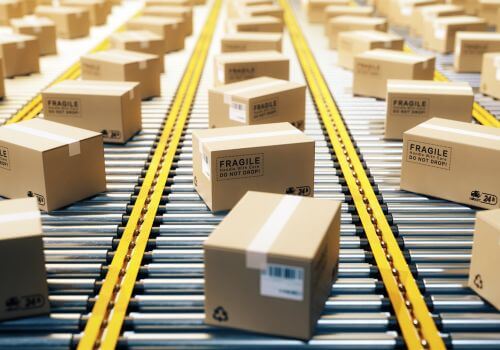
6. Last-Mile Delivery Costs Are Still Rising
Despite years of innovation, last-mile delivery remains:
- The most expensive part of logistics
- The hardest to optimize
Carrier surcharges and urban delivery challenges are pushing costs even higher in 2026.
What it means: Businesses must rethink fulfillment strategies; micro-warehousing, regional hubs, and smarter routing are key.
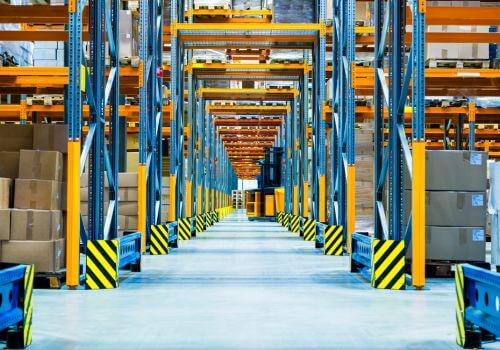
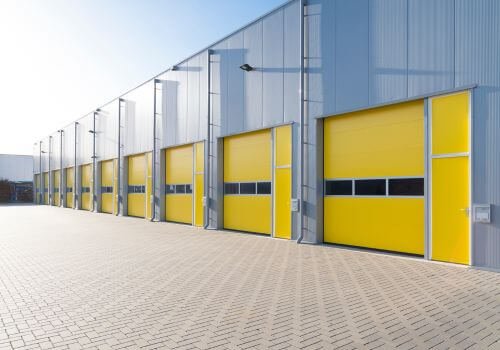
7. Warehousing Is Evolving Rapidly
Warehousing is becoming a strategic asset. Key shifts include:
- Automation and robotics
- Expansion tied to new industries (e.g., AI/data centers)
- Greater demand for flexible space
For example, logistics providers are expanding warehouses specifically to support booming data center infrastructure.
What it means: Location, speed, and flexibility of warehousing now directly impact profitability.
8. Sustainability Is No Longer Optional
Regulation and customer expectations are forcing companies to:
- Reduce emissions
- Optimize routes
- Invest in greener fleets
Sustainability is becoming embedded into logistics strategy (not just branding).
What it means: Green logistics is quickly turning into a competitive requirement, not a differentiator.
9. 3PLs Are Becoming Strategic Partners
Third-party logistics providers (3PLs) are no longer just executors. They’re now helping with:
- Strategy
- Technology integration
- End-to-end optimization
This shift reflects growing complexity in logistics operations.
What it means: Businesses increasingly rely on logistics partners for expertise, not just capacity.
10. Volatility Is the New Normal
From demand swings to capacity fluctuations, logistics networks are facing:
- Constant disruption
- Unpredictable demand patterns
- Capacity imbalances
Supply chains are being designed for adaptability, not stability.
What it means: Agility, not efficiency, is now the ultimate goal.