Modern supply chains are complex systems involving multiple transportation stages, each with its own challenges, technologies, and goals. Understanding these stages is essential for anyone involved in retail, e-commerce, freight, or logistics planning. Four key terms describe the progression of goods from origin to delivery: first mile, middle mile, last mile, and end-to-end.
While these concepts are connected, each part of the journey has a distinct purpose and different operational considerations. Below is a detailed breakdown.
1. First Mile Logistics
Definition: The first mile refers to the initial movement of goods at the very beginning of the supply chain. It is the process of getting inventory from the origin point to the next major node in the network.
Typical first-mile activities include:
- Collecting goods from manufacturers, farms, or suppliers
- Moving goods to a warehouse, fulfillment center, or distribution hub
- Quality checks and packaging for outbound shipment
- Creating shipping labels, documentation, and customs papers for international shipments
Examples:
- A clothing manufacturer shipping bulk products from a factory to a regional warehouse
- A farmer sending produce to a processing center
- An import container moving from a seaport to a central distribution facility
Key challenges:
- Limited visibility into upstream supply
- Coordinating pickups across multiple suppliers
- Ensuring packaging and documentation accuracy
- Maintaining quality during early handling (especially in perishables)
Why it matters: Inefficiencies in the first mile ripple through the entire supply chain. Poor first-mile planning can cause stockouts, delays, and higher downstream logistics costs.
2. Middle Mile Logistics
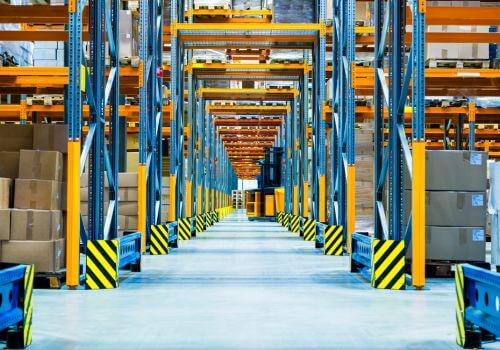
Definition: The middle mile concerns the transportation of goods between facilities in the logistics network. It connects warehouses, distribution centers, and transportation hubs.
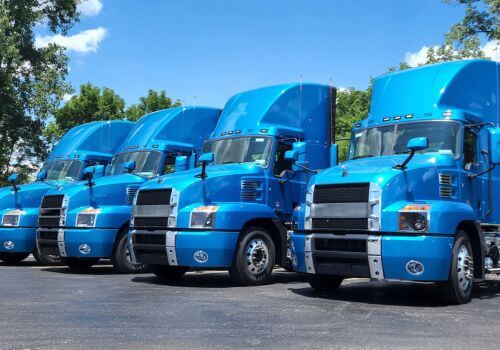
This stage may involve long-distance trucking, rail, air freight, or ocean freight, depending on the nature of the shipment.
Typical middle-mile activities include:
Examples:
- A national retailer shipping goods from a central distribution center to regional hubs
- A container transported from a port to an inland rail terminal
- Bulk products moving between Amazon fulfillment centers
Key challenges:
- Long transit times and fuel costs
- Route optimization and load balancing
- Coordination across multiple carriers
- Weather disruptions for long-distance transport
Why it matters: The middle mile is crucial for optimizing inventory placement, reducing lead times, and ensuring availability across geographic regions.
3. Last Mile Logistics
Definition: The last mile refers to the final delivery segment where goods move from a local hub to the end customer—usually the most expensive and complex stage.
It focuses on delivering to:
- Homes
- Businesses
- Retail stores (for restocking)
Typical last-mile activities include:
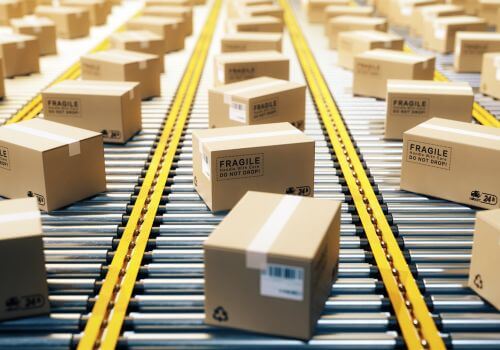
- Sorting packages at local delivery centers
- Routing delivery drivers
- Real-time delivery tracking and notifications
- Handling delivery exceptions (failed deliveries, returns)
Examples:
- A courier delivering an e-commerce package to a residence
- A grocery order dropped at a customer’s doorstep
- A store replenishment shipment from a nearby micro-fulfillment center
Key challenges:
- High cost per delivery, especially for one-off household destinations
- Traffic, parking, and congestion
- Customer expectations for speed and transparency
- Failed delivery attempts
- Urban vs rural delivery cost differences
Why it matters: The last mile directly impacts customer satisfaction. Delivery speed, accuracy, and convenience are major competitive differentiators in e-commerce and retail.
4. End-to-End Logistics
Definition: End-to-end logistics covers the entire supply chain journey from start to finish, including planning, transportation, warehousing, and final delivery—essentially combining first, middle, and last mile into an integrated flow.
It includes:
- Supplier management
- Inventory forecasting
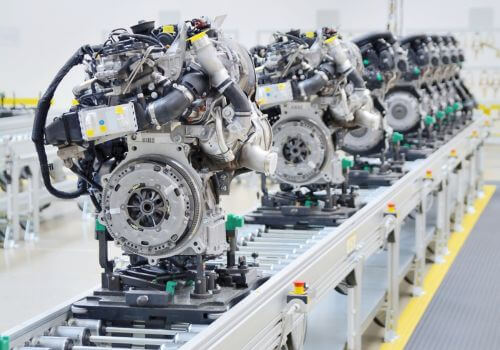
- Manufacturing logistics
- First-mile, middle-mile, last-mile transport
- Warehousing and order fulfillment
- Reverse logistics (returns)
Examples:
- A third-party logistics (3PL) provider handling everything from sourcing to final delivery
- A retailer like Amazon controlling nearly every stage of its logistics pipeline
- A supply chain solution that manages imports, warehousing, fulfillment, dispatch, and delivery tracking
Key challenges:
- Coordinating multiple partners and systems
- Maintaining real-time visibility across the entire chain
- Reducing costs while increasing service quality
- Managing vast data flows (orders, inventory, tracking, returns)
Why it matters: End-to-end logistics enables better planning, faster response times, fewer errors, and improved customer experience. Companies that master this level of integration gain competitive advantages in speed, cost, and reliability.
How the Four Stages Work Together
Here’s a simplified sequence of the full logistics journey:
- First Mile – Goods move from supplier → manufacturer → warehouse
- Middle Mile – Goods move between regional hubs and distribution centers
- Last Mile – Goods are delivered from local hubs to customer destinations
- End-to-End – All steps are integrated into one coordinated flow
Each stage feeds into the next. A delay in the first mile impacts the middle mile, which affects the last mile—and ultimately touches end customers.
Conclusion
Understanding the difference between first mile, middle mile, last mile, and end-to-end logistics helps businesses create more efficient supply chains. Each stage has its own operational complexities, technologies, cost structures, and performance metrics. By optimizing and integrating all four, companies can reduce expenses, improve delivery speed, and meet rising customer expectations.