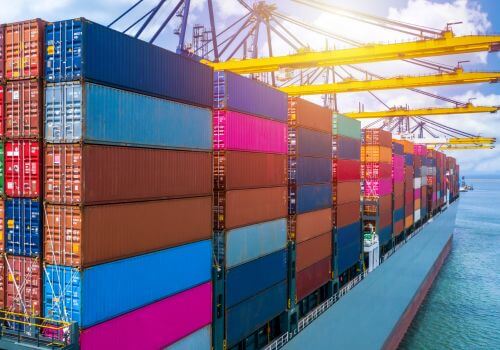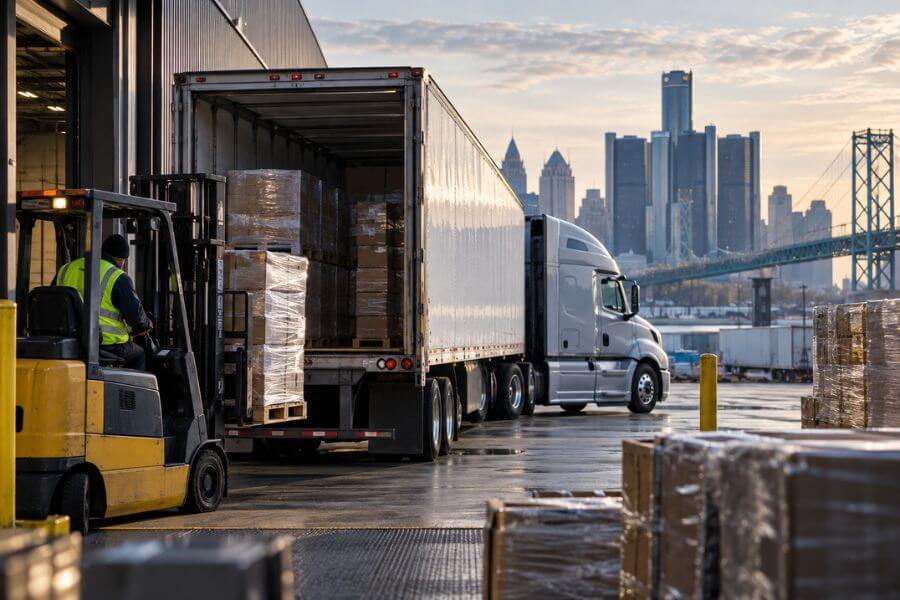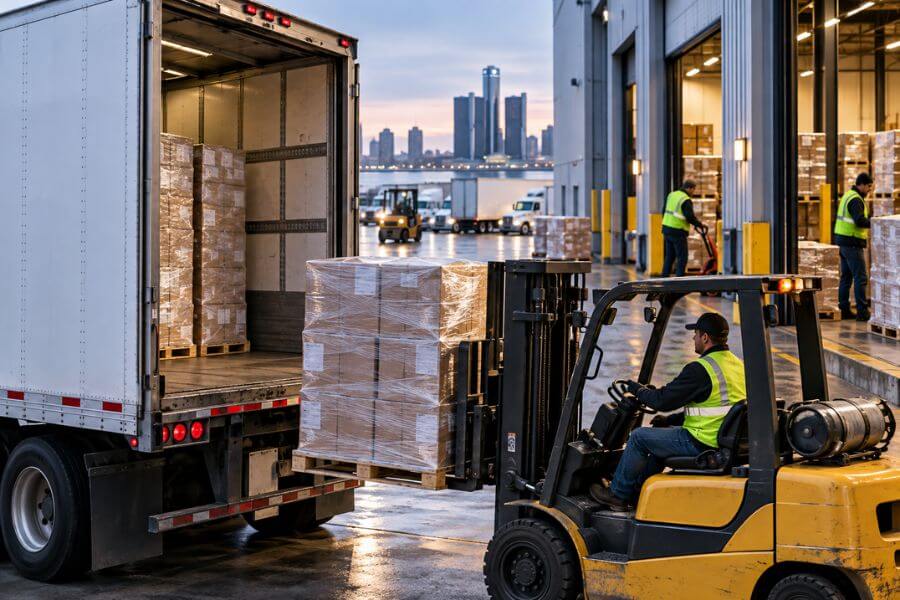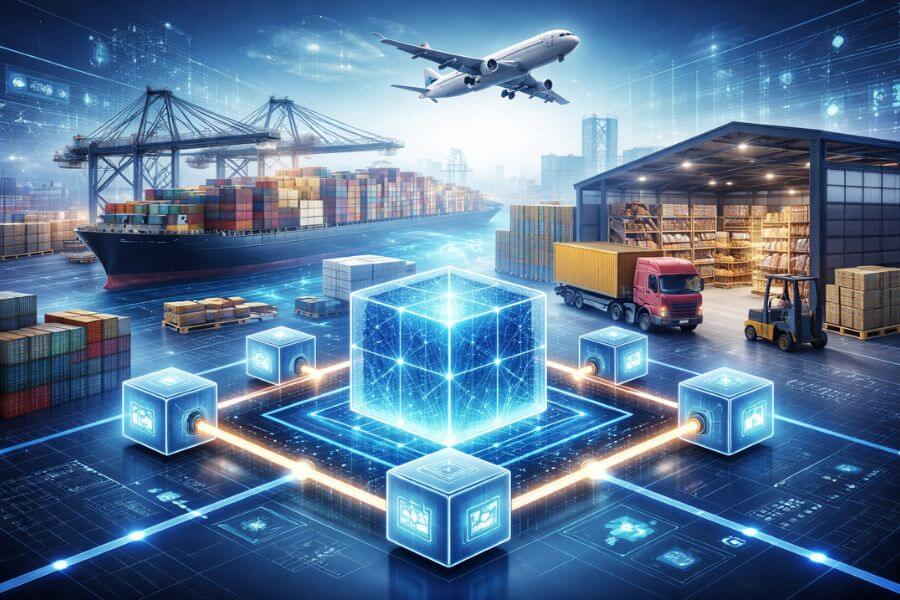
Blockchain technology is quickly transforming how logistics and supply chains operate across the globe. Traditionally, supply chains rely on multiple systems, paperwork, and intermediaries, which can create inefficiencies and delays. Blockchain introduces a secure, transparent, and decentralized ledger that allows every participant to access trusted data in real time. From shipment tracking to fraud prevention, companies are discovering powerful ways to apply this technology. For logistics providers, e-commerce brands, and third-party logistics companies, blockchain can increase trust, improve visibility, and streamline operations. In this article, we’ll explore ten practical blockchain applications that are already reshaping logistics and supply chain management today.
1. Real-Time Shipment Tracking
One of the most impactful blockchain applications in logistics is real-time shipment tracking. With blockchain, every movement of a shipment can be recorded on a shared digital ledger that all stakeholders can access. This includes shippers, carriers, warehouses, customs officials, and customers. Because records are immutable, participants can trust the accuracy of shipment data. This reduces disputes, improves visibility, and helps companies respond quickly to delays. Blockchain tracking also reduces reliance on manual updates or fragmented systems. For global supply chains handling thousands of shipments daily, blockchain creates a single source of truth that improves transparency and efficiency across the entire logistics network.
2. Smart Contracts for Logistics Automation
Smart contracts are self-executing agreements written directly into blockchain code. In logistics and supply chains, smart contracts can automate many operational tasks. For example, payment can be automatically released once a shipment reaches its destination or once delivery confirmation is recorded. This eliminates paperwork, reduces administrative work, and speeds up transactions between partners. Smart contracts also reduce the need for intermediaries, lowering operational costs. Because the terms are transparent and stored on the blockchain, disputes become far less common. Many logistics companies are exploring smart contracts to automate freight payments, vendor agreements, insurance claims, and warehouse service contracts.
3. Supply Chain Transparency
Blockchain enables full transparency across complex supply chains. Every participant can record transactions, product movements, and status updates on a shared ledger that cannot be altered after the fact. This visibility helps companies trace products from raw materials all the way to the final consumer. In industries such as food, pharmaceuticals, and electronics, transparency is critical for safety and compliance. If a defect or contamination occurs, businesses can quickly identify the source and isolate affected products. Blockchain transparency also builds trust between suppliers, manufacturers, distributors, and retailers, making collaboration easier across international logistics networks.
4. Fraud Prevention and Security
Fraud and data manipulation have long been challenges in global logistics. Paper documents, manual records, and disconnected systems make it easier for bad actors to alter information or submit false claims. Blockchain significantly improves security because each transaction is cryptographically verified and permanently recorded. Once data is added to the blockchain, it cannot be changed without consensus from the network. This makes fraudulent activities far more difficult. Logistics companies can use blockchain to secure shipping records, delivery confirmations, and financial transactions. The result is a more trustworthy supply chain where businesses can confidently rely on shared information.
5. Improved Customs and Trade Documentation
International shipping requires extensive documentation such as bills of lading, invoices, and customs declarations. Managing these documents across different countries and agencies can slow down supply chains significantly. Blockchain allows these documents to be stored digitally on a secure ledger that multiple parties can access instantly. Customs authorities, carriers, and importers can verify documents without delays or manual verification. This speeds up border clearance and reduces the risk of paperwork errors. Blockchain-based documentation also helps prevent lost or duplicated records, which are common issues in traditional shipping processes.
6. Product Authentication and Anti-Counterfeiting
Counterfeit products cost global industries billions of dollars every year. Blockchain helps companies verify the authenticity of products by recording their entire lifecycle on a digital ledger. Each product or batch can receive a unique digital identity that tracks its journey from manufacturing to final delivery. Consumers, retailers, and regulators can scan product codes and instantly verify origin and authenticity. This is particularly important in industries such as luxury goods, pharmaceuticals, and electronics. Blockchain authentication protects brand reputation, improves consumer trust, and ensures that products moving through supply chains are genuine.
7. Inventory Management and Visibility
Managing inventory across multiple warehouses and distribution centers can be complicated, especially when different systems are used. Blockchain provides a shared platform where inventory data can be updated and verified by all supply chain participants. When goods move between facilities, the transaction is recorded on the blockchain in real time. This creates accurate inventory visibility across the entire network. Businesses can reduce stock discrepancies, prevent overstocking, and respond quickly to demand changes. For logistics providers handling e-commerce fulfillment and global distribution, blockchain-based inventory tracking helps improve operational accuracy and planning.
8. Sustainable and Ethical Supply Chains
Consumers and regulators are increasingly demanding transparency around environmental and ethical practices. Blockchain allows companies to document sustainability data across the supply chain. For example, organizations can record sourcing information, carbon emissions, labor practices, and environmental certifications on the blockchain. Because these records are tamper-resistant, stakeholders can trust the information. Businesses can prove that materials were ethically sourced or that products meet sustainability standards. This transparency supports responsible supply chains and helps companies meet regulatory requirements while strengthening brand credibility with environmentally conscious customers.
9. Efficient Freight and Carrier Management
Blockchain can improve how shippers, carriers, and logistics providers coordinate freight operations. Through a shared ledger, participants can track shipment bookings, capacity availability, freight contracts, and delivery performance. This improves coordination and reduces communication delays between different parties. Blockchain also creates transparent performance records for carriers, helping companies choose reliable partners. When combined with smart contracts, freight payments can be automatically triggered after delivery confirmation. This reduces billing disputes and shortens payment cycles. For logistics companies managing large carrier networks, blockchain improves collaboration and operational efficiency.
10. Faster Dispute Resolution
Disputes are common in logistics, often involving shipment delays, damaged goods, or billing disagreements. Resolving these disputes can take weeks because each party may rely on different records. Blockchain simplifies dispute resolution by providing a single, shared version of the truth. All shipment events, documents, and transactions are stored on the same ledger and time-stamped. When a dispute arises, stakeholders can review the same verified information. This speeds up investigations and reduces costly legal processes. By improving accountability and data accuracy, blockchain helps logistics companies resolve conflicts more efficiently.
Conclusion
Blockchain is rapidly becoming a powerful tool for modern logistics and supply chain management. By providing secure data sharing, real-time visibility, and automated transactions, blockchain helps businesses overcome many long-standing industry challenges. From shipment tracking and smart contracts to product authentication and sustainable sourcing, the technology is opening new possibilities for efficiency and trust. As global trade continues to grow and supply chains become more complex, blockchain adoption will likely accelerate. Companies that explore these applications today can gain a competitive advantage while building more transparent, reliable, and efficient logistics operations.
Frequently Asked Questions
What is blockchain in logistics?
Blockchain in logistics refers to the use of decentralized digital ledgers to record supply chain transactions. It allows companies to securely track shipments, verify documents, and share data with partners. The technology improves transparency, reduces fraud, and creates a trusted system for managing logistics information.
How does blockchain improve supply chain transparency?
Blockchain records every transaction on a shared ledger that cannot be altered. All participants in the supply chain can access the same data in real time. This visibility allows businesses to trace products, verify shipments, and quickly identify problems or disruptions across the supply chain.
What are smart contracts in logistics?
Smart contracts are automated agreements stored on a blockchain. They execute actions when predefined conditions are met. In logistics, smart contracts can release payments after delivery confirmation, enforce service agreements, or trigger alerts when shipments reach certain milestones.
Can blockchain prevent supply chain fraud?
Yes, blockchain helps prevent fraud by making records tamper-resistant and transparent. Once data is recorded, it cannot be altered without consensus from the network. This reduces the risk of document manipulation, false claims, and unauthorized changes to shipment information.
How does blockchain help with shipment tracking?
Blockchain allows every shipment event to be recorded on a shared ledger. Participants such as shippers, carriers, and warehouses can update status information in real time. This creates a single reliable source of tracking data that improves visibility across the entire logistics process.
Is blockchain widely used in logistics today?
Blockchain adoption in logistics is growing but still developing. Many companies are running pilot projects or implementing blockchain in specific areas such as shipment tracking, documentation, and trade finance. As technology matures, more supply chains are expected to adopt blockchain solutions.
How does blockchain help with international shipping?
Blockchain simplifies international shipping by digitizing trade documents and making them accessible to all relevant parties. Customs officials, carriers, and importers can verify documentation quickly. This reduces paperwork delays, speeds up border clearance, and improves compliance across global trade routes.
Can blockchain improve inventory management?
Yes, blockchain improves inventory visibility by recording product movements and stock levels across warehouses. All participants access the same updated information, reducing discrepancies and improving planning. Businesses can better manage stock levels and respond quickly to changes in demand.
Does blockchain support sustainable supply chains?
Blockchain can record sustainability data such as sourcing details, environmental certifications, and production practices. Because these records cannot be easily altered, companies can prove ethical sourcing and compliance with environmental standards, helping build trust with customers and regulators.
Will blockchain replace traditional logistics systems?
Blockchain is unlikely to completely replace existing logistics systems. Instead, it will complement them by providing secure data sharing and transparency. Many companies integrate blockchain with existing software platforms to enhance visibility, automation, and collaboration across supply chain partners.