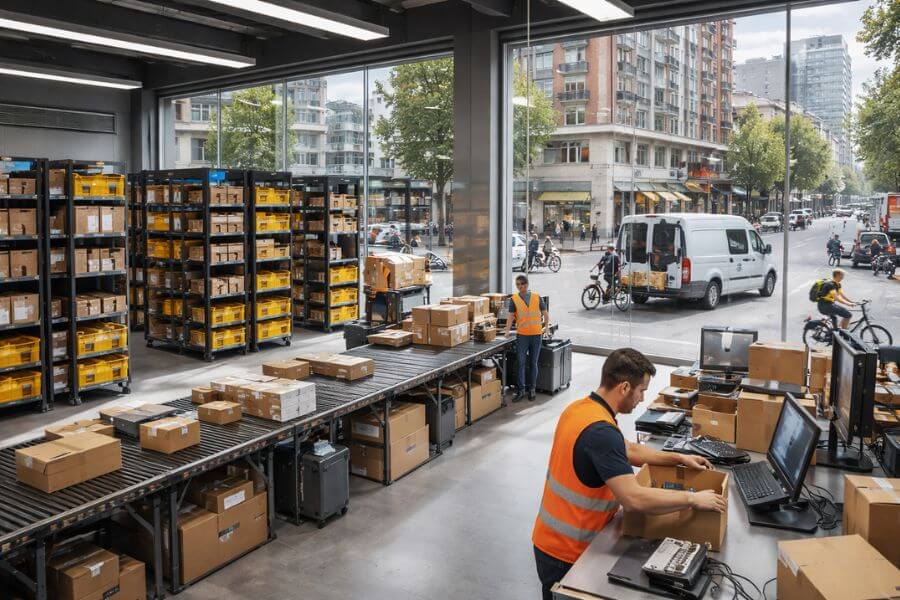
The European Union continues to reshape the logistics landscape through new regulations focused on sustainability, transparency, and digital transformation. For third-party logistics providers (3PLs), staying compliant is no longer just about customs paperwork. It now involves emissions reporting, supply chain due diligence, data security, and evolving transportation rules. As e-commerce continues to expand across borders, these regulations directly affect how 3PLs manage warehousing, transportation, fulfillment, and returns. Understanding these regulatory changes is critical not only for compliance but also for maintaining competitiveness in the European market. Here are ten important EU logistics regulations that are significantly impacting 3PL operations in 2026.
1. Corporate Sustainability Reporting Directive (CSRD)
The Corporate Sustainability Reporting Directive is one of the most significant regulatory changes affecting logistics providers operating in or serving the EU. CSRD expands sustainability reporting requirements, forcing many 3PLs and their clients to disclose environmental impact data, including carbon emissions, energy usage, and sustainability initiatives. Even logistics providers headquartered outside Europe may be affected if they serve EU companies that must report supply chain emissions. This means 3PLs must now invest in emissions tracking tools, carbon accounting software, and sustainability reporting systems. Transparency is no longer optional. Many providers are also redesigning operations to reduce reportable emissions through route optimization and greener warehousing practices. Compliance with CSRD is quickly becoming a competitive advantage, as clients increasingly prefer logistics partners who can provide verified environmental performance data. For 3PLs, sustainability reporting is transitioning from a marketing benefit into a contractual requirement.
2. EU Emissions Trading System (ETS) Expansion to Transport
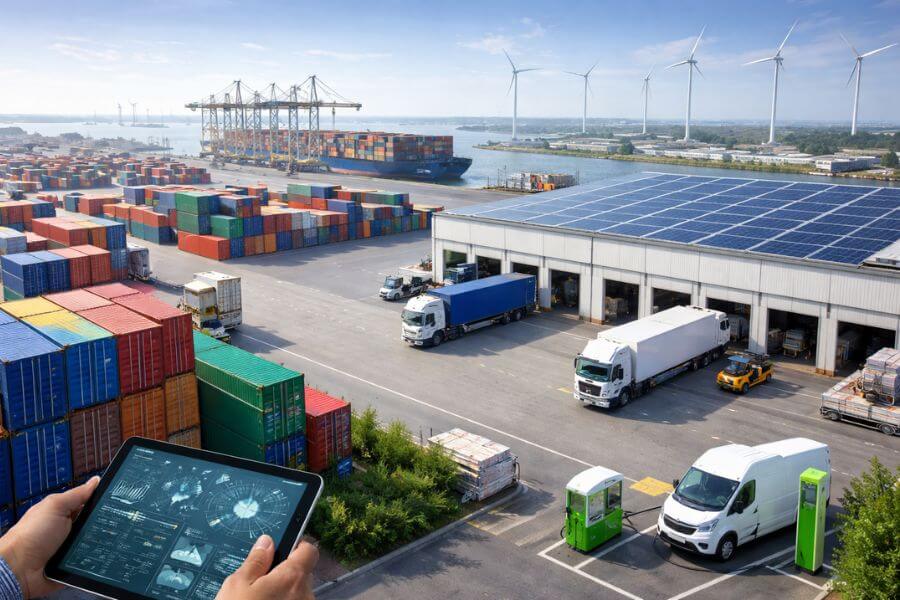
The EU Emissions Trading System continues expanding into transportation sectors, increasing operational costs for logistics providers that rely heavily on carbon-intensive transportation methods. In 2026, more freight operators must account for emissions allowances, especially those involved in maritime and long-distance trucking networks connected to EU supply chains. For 3PLs, this translates into pressure to optimize transportation efficiency and adopt lower-emission alternatives. Many providers are responding by integrating electric delivery vehicles, alternative fuels, and consolidated shipping models. Cost management is becoming closely tied to emissions management. Forward-thinking 3PLs are also renegotiating carrier contracts to include emissions performance standards. While ETS creates new financial obligations, it also creates opportunities for logistics providers who can demonstrate lower-carbon transportation strategies. Companies that reduce emissions can better control costs and strengthen relationships with environmentally conscious e-commerce brands.
3. Carbon Border Adjustment Mechanism (CBAM)
The Carbon Border Adjustment Mechanism affects importers of certain goods into the EU by requiring carbon reporting and, in some cases, financial adjustments based on embedded emissions. While CBAM primarily targets manufacturers and importers, 3PLs play a critical supporting role in compliance. Logistics providers must now assist clients with emissions documentation, shipment tracking transparency, and customs coordination related to carbon disclosures. This is pushing 3PLs to develop stronger compliance advisory capabilities. Many are adding compliance consulting services as a value-added offering. Warehousing providers are also seeing increased demand for documentation management services tied to CBAM reporting. As environmental regulations expand beyond production into logistics, 3PLs are becoming compliance infrastructure partners rather than just transportation providers. This shift reinforces the growing strategic importance of logistics providers in global trade compliance.
4. EU Mobility Package Enforcement
The EU Mobility Package continues to impact trucking operations through rules covering driver working conditions, cabotage restrictions, and return requirements for vehicles and drivers. These rules directly affect 3PLs managing European road freight networks. Providers must ensure contracted carriers comply with driver rest rules, wage requirements, and cross-border transport limitations. Non-compliance can create legal exposure for logistics coordinators. As a result, many 3PLs are strengthening carrier vetting processes and implementing compliance audits. Digital freight platforms are also being used to monitor regulatory adherence in real time. While the regulations aim to create fair competition and improve driver welfare, they also add administrative complexity. Logistics companies that build strong compliance frameworks can reduce risk while maintaining reliable transportation capacity across EU member states.
5. Digital Product Passport Requirements
The EU is introducing Digital Product Passport requirements as part of its sustainability initiatives, especially in sectors such as electronics, textiles, and batteries. These passports store product lifecycle data, including origin, materials, and environmental impact. For 3PLs, this means new data handling responsibilities. Warehouses must maintain traceability systems capable of linking inventory to product data records. Fulfillment providers may need to integrate with client data platforms to ensure accurate tracking throughout distribution. Reverse logistics providers are particularly affected because product passports support recycling and reuse programs. This is accelerating investment in warehouse management systems capable of advanced product tracking. Logistics providers that can manage digital traceability effectively are positioning themselves as technology-enabled partners rather than commodity service providers. Data capability is becoming just as important as physical logistics capability.
6. Packaging and Packaging Waste Regulation (PPWR)
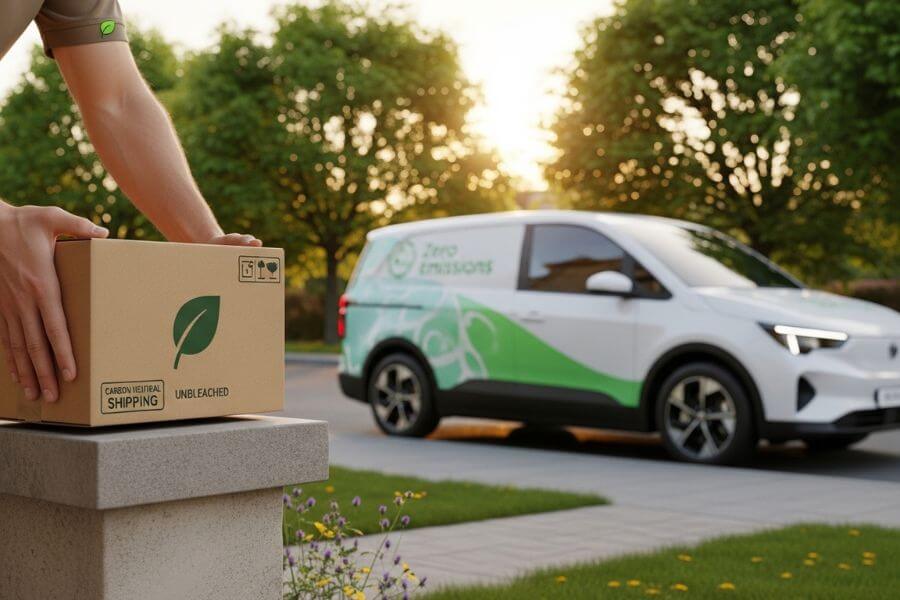
The EU Packaging and Packaging Waste Regulation is driving significant changes in fulfillment operations. The regulation promotes recyclable packaging, waste reduction, and reuse targets that directly affect how 3PL warehouses package e-commerce orders. Fulfillment providers are being asked to reduce empty space in parcels, eliminate unnecessary plastics, and support reusable packaging programs. This is encouraging investment in the right-sized packaging technology and sustainable packing materials. Many 3PLs are also offering eco-friendly packaging options as premium services. Clients increasingly expect fulfillment partners to support their sustainability goals. Operationally, this regulation is pushing warehouses to redesign packing workflows and supplier sourcing strategies. Providers that proactively adapt can turn compliance into a differentiator by helping brands meet sustainability commitments while maintaining shipping efficiency.
7. EU Due Diligence Regulations on Supply Chains
Supply chain due diligence regulations are expanding expectations around human rights, environmental protection, and ethical sourcing. While these laws primarily target large companies, 3PLs are increasingly expected to support compliance through supply chain transparency. Logistics providers may be asked to verify transportation partners, document sourcing routes, and maintain audit-ready records. This is encouraging stronger governance procedures across logistics networks. Many 3PLs are implementing supplier codes of conduct and compliance screening processes. Technology platforms that provide shipment visibility are becoming important compliance tools. As regulations push companies to take responsibility for their entire supply chain, logistics providers are becoming critical compliance partners. Providers who can demonstrate strong governance practices are better positioned to win contracts with regulated European companies.
8. NIS2 Cybersecurity Directive
The NIS2 Directive strengthens cybersecurity requirements for essential and important infrastructure sectors, including transportation and logistics. For 3PLs, this means stricter expectations around data protection, IT risk management, and incident reporting. Warehouse management systems, transportation management platforms, and customer portals must now meet higher security standards. Many logistics providers are increasing cybersecurity investments, implementing multi-factor authentication, and conducting regular vulnerability testing. As logistics becomes increasingly digital, cyber resilience is becoming a regulatory requirement rather than just an IT concern. Clients are also beginning to request cybersecurity assurances during vendor selection. Providers who demonstrate strong digital security practices can reduce regulatory exposure and build trust with enterprise customers who prioritize data protection.
9. Alternative Fuels Infrastructure Regulation (AFIR)
The Alternative Fuels Infrastructure Regulation supports the expansion of charging and refueling infrastructure for low-emission transport. While this regulation focuses on infrastructure development, it indirectly influences 3PL fleet strategies. As charging networks expand, logistics providers are more willing to invest in electric delivery fleets and alternative fuel vehicles. This shift requires new planning around charging schedules, route design, and fleet maintenance. Some 3PLs are also partnering with carriers that already operate low-emission vehicles to meet sustainability targets. The regulation signals long-term direction for EU transport policy, encouraging logistics providers to future-proof their operations. Companies that align fleet investments with this transition may benefit from lower emissions exposure and stronger alignment with EU climate objectives.
10. Customs Data Modernization Under the Union Customs Code
The modernization of customs data systems under the Union Customs Code continues to digitize import and export processes. For 3PLs involved in cross-border ecommerce fulfillment, this means adapting to new electronic documentation requirements and automated clearance processes. Providers must ensure data accuracy and real-time transmission of shipment information. Many logistics companies are upgrading customs compliance software and investing in integration capabilities with EU customs systems. Faster clearance processes can benefit providers who are technologically prepared, while those relying on manual processes may face delays. As customs processes become more data-driven, logistics providers are increasingly functioning as data managers as much as transportation coordinators. Investment in digital customs capabilities is becoming essential for efficient EU market access.
Conclusion
EU logistics regulations in 2026 are reshaping the role of 3PL providers beyond transportation and warehousing. Compliance now involves sustainability reporting, cybersecurity readiness, ethical sourcing transparency, and digital infrastructure investment. While these regulations introduce complexity, they also create opportunities for logistics providers willing to modernize operations and expand service capabilities. 3PLs that embrace technology, sustainability, and compliance as core business functions can strengthen customer trust and remain competitive in the evolving European logistics environment. The most successful providers will treat regulation not as a burden but as a roadmap for building more resilient, transparent, and future-ready logistics operations.
Frequently Asked Questions
How do EU regulations affect non-EU 3PL companies?
Non-EU 3PLs can still be affected if they serve EU-based customers or move goods into EU markets. Many regulations apply indirectly through contractual requirements from EU clients. This often means providing emissions data, compliance documentation, or cybersecurity assurances. Global logistics providers must understand EU rules because their customers may pass regulatory obligations down through service agreements and operational requirements.
Which EU regulation has the biggest impact on logistics sustainability?
The Corporate Sustainability Reporting Directive has one of the largest impacts because it requires detailed environmental reporting across supply chains. This forces logistics providers to track emissions, improve operational efficiency, and support customer sustainability reporting. The directive is accelerating the adoption of carbon tracking tools and greener logistics strategies across the industry.
Do small 3PL providers need to comply with these regulations?
Smaller 3PLs may not always be directly regulated, but they often must comply indirectly through customer requirements. Large companies subject to EU regulations frequently require their logistics partners to meet similar standards. This means even smaller providers benefit from adopting compliance practices early to remain competitive and avoid losing business opportunities.
How are EU packaging rules affecting e-commerce fulfillment?
EU packaging rules are encouraging fulfillment providers to reduce packaging waste and use recyclable materials. This is leading to investments in packaging automation, sustainable materials, and optimized box sizing. E-commerce brands increasingly expect 3PL partners to support these goals as part of their environmental commitments and regulatory compliance strategies.
Why is cybersecurity becoming important for logistics companies?
Logistics operations depend heavily on digital platforms that manage shipments, inventory, and customer data. Regulations like NIS2 require stronger protection of these systems to prevent disruptions and data breaches. Strong cybersecurity practices protect both operational continuity and customer trust, making them essential for modern logistics providers.
How does the EU Emissions Trading System affect shipping costs?
The expansion of emissions trading increases costs for carbon-intensive transportation. Logistics providers may pass some of these costs to customers or invest in efficiency improvements to offset expenses. Over time, this system encourages the adoption of lower-emission transportation methods and more efficient route planning.
What role do 3PLs play in carbon reporting requirements?
3PLs often provide the transportation and warehousing data needed for customers to calculate supply chain emissions. This includes fuel usage, transport distances, and warehouse energy consumption. Providers that can deliver accurate environmental data become valuable partners for companies required to meet sustainability reporting obligations.
Are EU customs processes becoming fully digital?
EU customs systems are steadily moving toward full digital processing through modernization programs. Electronic documentation and automated clearance processes are becoming standard. Logistics providers must adopt compatible systems to ensure smooth cross-border shipping and avoid delays caused by incomplete or inaccurate data submissions.
How can 3PLs prepare for evolving EU regulations?
Preparation typically involves investing in compliance systems, improving operational transparency, adopting sustainability practices, and strengthening data security. Many providers also assign dedicated compliance teams or work with regulatory consultants. Staying proactive helps logistics companies avoid disruptions and build stronger relationships with regulated clients.
Will EU logistics regulations continue increasing in the future?
Regulatory activity is expected to continue as the EU focuses on sustainability, digital security, and supply chain transparency. Logistics providers should expect continued evolution rather than stability. Companies that build flexible systems and compliance-focused cultures will be better prepared to adapt to future regulatory developments without major operational disruption.