As sustainability becomes a major priority across global commerce, third-party logistics (3PL) providers are under increasing pressure to reduce their environmental impact. E-commerce growth continues to drive shipping volumes higher, which means logistics companies must find smarter, cleaner ways to operate. In 2026, leading 3PLs are not just talking about sustainability. They are actively investing in green technologies, improving operational efficiency, and rethinking supply chain strategies to cut emissions. From electric delivery fleets to energy-efficient warehouses, these initiatives are helping logistics providers lower costs while supporting environmental goals. Here are ten of the most effective ways 3PL companies are reducing their carbon footprint today.
1. Transitioning to Electric Delivery Fleets
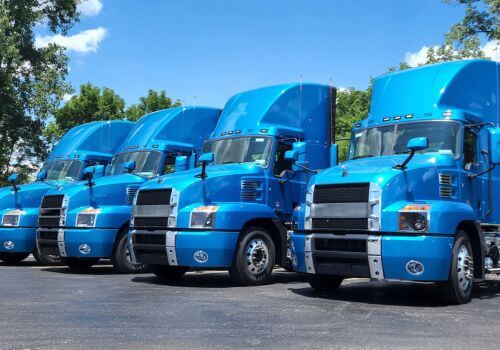
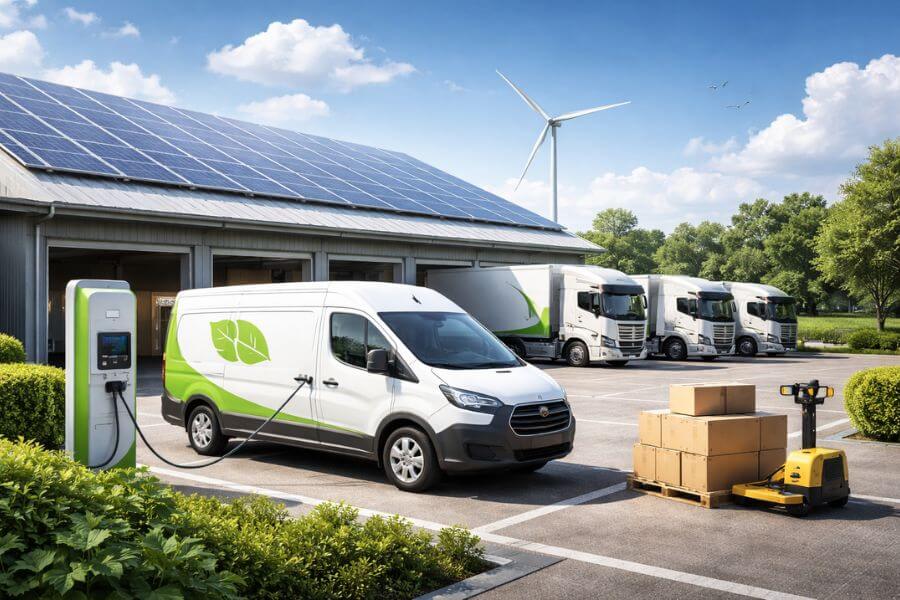
One of the most visible ways 3PLs are reducing emissions is by replacing traditional diesel delivery vehicles with electric alternatives. Electric vans and trucks produce zero tailpipe emissions, making them ideal for last-mile delivery in urban areas. Many logistics companies are gradually electrifying their fleets while also installing charging infrastructure at distribution centers. Although the upfront investment can be significant, the long-term savings on fuel and maintenance often justify the cost. Electric vehicles also help companies meet stricter emissions regulations that are being introduced in many regions. Some 3PLs are also combining electric vehicles with route optimization software to further reduce unnecessary mileage. This transition not only lowers carbon output but also improves brand reputation among environmentally conscious clients. As battery technology continues to improve and vehicle costs decline, fleet electrification is expected to accelerate across the logistics sector.
2. Investing in Energy-Efficient Warehouses
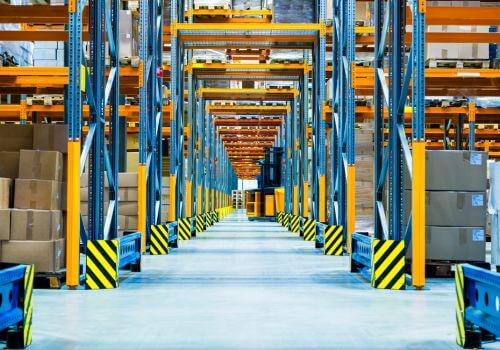
Warehouses consume large amounts of electricity, which makes energy efficiency a major opportunity for carbon reduction. In 2026, many 3PLs are upgrading their facilities with LED lighting, motion sensors, and smart climate control systems that reduce wasted energy. Modern warehouse designs also incorporate better insulation and natural lighting to minimize electricity usage. Some providers are pursuing green building certifications to demonstrate their commitment to sustainability. Automated systems are also helping reduce power consumption by improving workflow efficiency and minimizing idle equipment time. These improvements often deliver quick returns through lower utility bills while also supporting environmental targets. By focusing on smarter building management and efficient infrastructure, 3PL providers are turning their warehouses into more sustainable operational hubs. This approach proves that environmental responsibility and cost savings can work together rather than compete with each other.
3. Using Renewable Energy Sources
Many forward-thinking 3PL companies are investing in renewable energy, such as solar and wind power, to reduce their dependence on fossil fuels. Solar panels installed on warehouse rooftops can generate significant amounts of electricity, especially for large fulfillment centers with expansive roof space. Some providers are also entering renewable energy purchase agreements to offset their carbon footprint. These initiatives not only reduce emissions but also protect companies from rising energy costs. Battery storage systems are becoming more common as well, allowing facilities to store excess solar energy for later use. By integrating renewable energy into daily operations, 3PLs are building more resilient and sustainable logistics networks. Customers increasingly prefer partners that can demonstrate measurable sustainability efforts, which makes renewable adoption both an environmental and competitive advantage in the logistics marketplace.
4. Optimizing Transportation Routes with AI
Advanced route optimization software powered by artificial intelligence is helping 3PLs reduce fuel consumption by planning more efficient delivery paths. These systems analyze traffic patterns, delivery windows, and shipment volumes to minimize unnecessary travel. By reducing empty miles and avoiding congestion, companies can significantly lower their emissions. AI tools can also dynamically adjust routes in real time based on weather or traffic conditions. This ensures drivers take the most efficient path possible throughout the day. In addition to environmental benefits, better routing improves delivery speed and customer satisfaction. Many logistics providers are integrating these tools directly into their transportation management systems to maximize efficiency. As AI technology continues to mature, route optimization is becoming a standard practice for 3PLs seeking both operational excellence and measurable sustainability improvements.
5. Expanding Carbon Neutral Shipping Options
Some 3PLs now offer carbon-neutral shipping programs that allow businesses to offset emissions associated with transportation. This is often achieved by investing in environmental projects such as reforestation or renewable energy development. While offsets are not a complete solution, they help companies address emissions that cannot yet be eliminated. Many logistics providers now include carbon tracking dashboards that show clients the environmental impact of their shipments. This transparency allows e-commerce brands to make more sustainable shipping decisions. Offering carbon-neutral options also gives 3PLs a competitive edge as more brands prioritize sustainability in their supply chain partnerships. By combining emission reduction strategies with offset programs, logistics companies can take a more comprehensive approach to environmental responsibility while supporting client sustainability goals.
6. Improving Packaging Efficiency
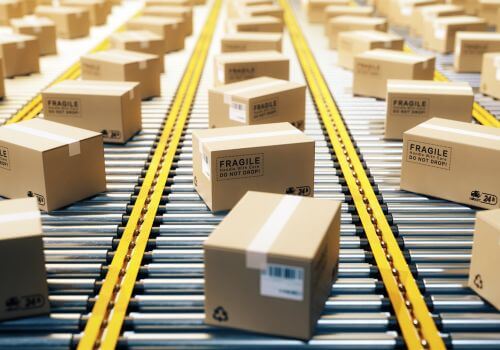
Packaging plays a major role in logistics-related emissions, especially when oversized boxes increase shipping weight and wasted space. In response, many 3PLs are adopting right-size packaging technology that automatically selects the smallest possible box for each order. This reduces material usage and allows more packages to fit within each shipment. Some providers are also introducing recyclable or biodegradable packaging materials to further reduce environmental impact. Packaging automation systems can also reduce void fill materials by improving packing accuracy. These improvements help lower transportation emissions while also reducing supply costs. Customers also appreciate eco-friendly packaging, which can improve brand perception and loyalty. By rethinking packaging strategies, 3PL providers are finding practical ways to reduce waste while improving efficiency across fulfillment operations.
7. Implementing Warehouse Automation
Automation is not only about speed and accuracy. It also plays a growing role in sustainability. Automated storage and retrieval systems can reduce energy consumption by improving space utilization and minimizing equipment movement. Robotics can also reduce the need for excessive lighting in certain warehouse zones. By improving inventory accuracy, automation reduces returns and unnecessary reshipments, which further cuts emissions. Many 3PLs are also using data analytics to identify inefficiencies that waste resources. These technologies allow logistics providers to operate leaner and more efficiently while reducing their environmental footprint. As automation becomes more affordable, even mid-sized 3PL companies are adopting these systems to stay competitive. The result is a smarter warehouse environment that benefits both operational performance and sustainability initiatives.
8. Reducing Returns Through Better Inventory Management
Returns create additional transportation emissions and operational waste, which makes return reduction an important sustainability goal. In 2026, many 3PLs are using better inventory visibility and order accuracy tools to help reduce return rates. Technologies such as barcode scanning, quality control checkpoints, and real-time inventory updates help ensure customers receive the correct products. Some providers also support clients with better product data and fulfillment accuracy strategies. Fewer returns mean fewer shipments, which directly reduces carbon emissions. This also lowers operational costs for both the 3PL and its clients. By focusing on accuracy and proactive quality control, logistics providers are finding that sustainability improvements often come from operational excellence. Reducing avoidable returns is a simple but powerful way to cut environmental impact.
9. Partnering with Green Carriers
3PL providers often rely on carrier networks, which means partner selection can significantly influence environmental impact. Many logistics companies are now prioritizing carriers that operate fuel-efficient fleets or participate in sustainability programs. Some 3PLs are adding environmental performance metrics into their carrier selection process. This encourages transportation partners to adopt greener practices. Collaborative shipping models are also helping reduce emissions by consolidating freight. By working with environmentally responsible carriers, 3PLs can extend sustainability efforts beyond their own operations. This network-level approach allows providers to deliver more environmentally responsible logistics solutions. As sustainability reporting becomes more important, partnerships with green carriers will likely become a standard requirement in logistics procurement strategies.
10. Tracking and Reporting Carbon Emissions
You cannot improve what you do not measure. That is why many 3PLs are investing in carbon tracking platforms that provide detailed emissions reporting. These tools analyze transportation activity, warehouse energy use, and packaging materials to estimate total carbon output. With better data, companies can set realistic reduction targets and track progress over time. Some providers also share sustainability reports with clients to demonstrate transparency. This level of reporting helps businesses choose logistics partners that align with their environmental values. Carbon tracking also helps companies identify their biggest emission sources so they can prioritize improvements. As sustainability regulations continue to evolve, strong reporting capabilities will become essential for compliance and competitive differentiation in the logistics industry.
Conclusion
In 2026, reducing carbon emissions is no longer optional for 3PL providers. It is becoming a core part of operational strategy and customer expectations. From electric vehicles and renewable energy to smarter packaging and AI-driven optimization, logistics companies are finding practical ways to become more sustainable. These initiatives not only support environmental goals but also improve efficiency and reduce long-term costs. As e-commerce continues to grow, the 3PLs that invest in sustainability today will be better positioned for the future. Companies that choose environmentally responsible logistics partners can also strengthen their own sustainability commitments while building more resilient supply chains.
Frequently Asked Questions
Why is sustainability important for 3PL companies?
Sustainability is important because logistics operations can produce significant carbon emissions through transportation, warehousing, and packaging. By reducing their environmental impact, 3PLs can meet regulatory requirements, lower operating costs, and attract environmentally conscious clients. Many e-commerce brands now evaluate sustainability when choosing logistics partners, which makes green initiatives both an environmental responsibility and a business advantage for modern logistics providers.
How do electric vehicles help reduce logistics emissions?
Electric vehicles reduce emissions by eliminating tailpipe pollution and reducing dependence on fossil fuels. They also tend to have lower maintenance requirements and can reduce long-term operating costs. When powered by renewable energy, their environmental benefits increase even more. Many 3PLs are using electric vehicles primarily for last-mile delivery, where stop-and-go traffic makes electric transportation especially efficient.
What role does packaging play in carbon reduction?
Packaging affects carbon emissions through material usage and shipping efficiency. Smaller and lighter packages reduce transportation fuel consumption. Using recyclable or biodegradable materials also reduces environmental impact. Many 3PLs are investing in packaging technology that automatically selects the correct box size, which helps minimize waste and improve shipping efficiency while supporting sustainability goals.
Can small 3PLs also adopt sustainability practices?
Yes, small and mid-sized 3PLs can adopt sustainability practices by focusing on practical steps such as energy-efficient lighting, better route planning, and waste reduction programs. These improvements often require modest investment but can deliver meaningful results. Many sustainability initiatives also reduce operational costs, which makes them accessible even for smaller logistics providers that want to stay competitive.
What is carbon-neutral shipping?
Carbon-neutral shipping refers to balancing emissions produced during transportation by supporting environmental projects that remove or prevent carbon emissions elsewhere. This often includes renewable energy investments or reforestation programs. While reducing emissions directly remains the top priority, carbon offsets help address emissions that cannot yet be eliminated through operational improvements alone.
How does automation support sustainability?
Automation improves sustainability by reducing errors, improving space utilization, and lowering energy consumption. Robotics and automated systems can reduce unnecessary movement and optimize workflows. Better accuracy also reduces returns and reshipments, which cuts emissions. These benefits make automation an important part of both operational efficiency and environmental responsibility strategies in modern logistics.
Do customers really care about green logistics?
Yes, many customers and brands now prioritize sustainability when choosing logistics partners. Businesses want supply chain partners that support their environmental goals and help them meet ESG targets. Consumers are also more likely to support brands that demonstrate environmental responsibility. This growing demand is pushing more 3PL providers to invest in measurable sustainability improvements.
What technologies help track logistics emissions?
Carbon tracking software, transportation management systems, and data analytics platforms help measure logistics emissions. These tools collect data from shipments, facilities, and packaging processes to estimate environmental impact. With better visibility, companies can identify improvement areas and set realistic sustainability targets. Reporting tools also help logistics providers share environmental performance data with their clients.
Are renewable energy investments worth it for 3PLs?
Renewable energy investments can provide long-term savings by reducing electricity costs and protecting companies from energy price fluctuations. Solar panels are especially effective for warehouses because of their large roof space. Many companies also benefit from tax incentives or sustainability grants. These advantages make renewable energy both an environmental and financial investment.
What is the future of sustainable logistics?
The future of sustainable logistics will likely include wider adoption of electric fleets, hydrogen fuel technology, smarter AI-driven logistics planning, and stricter environmental regulations. Companies will continue investing in transparency and carbon reporting tools. Sustainability will increasingly become a standard requirement rather than a competitive advantage, shaping how logistics providers design their operations and partnerships.