If you are a CDL A driver or thinking about becoming one, you will quickly hear two terms over and over again: no-touch freight and touch freight. These two job types can shape your daily routine, your income, your physical workload, and even how long you stay in the trucking industry.
At first glance, the difference seems simple. No-touch freight means you do not handle the cargo. Touch freight means you do. But once you look deeper, the decision becomes much more important. The type of freight you haul can affect how tired you feel at the end of the day, how much money you make each week, and how flexible your schedule is.
In this guide, you will learn exactly what no-touch freight and touch freight mean, how they work in real life, and the pros and cons of each. By the end, you will have a clear idea of which option fits your goals, your lifestyle, and your long-term career.
What Is No-Touch Freight vs Touch Freight?
Before you compare the pros and cons, you need a clear understanding of what each type involves.
No-Touch Freight
No-touch freight means you are not responsible for loading or unloading the cargo. Your job is to:
- Drive the truck safely
- Deliver the load to the destination
- Handle paperwork and communication
Warehouse workers or dock staff handle the physical labor. In some cases, you may still need to open doors, check seals, or back into a dock, but you are not lifting or moving freight.
This type of freight is common in:
- Large distribution networks
- Retail supply chains
- Long-haul trucking jobs
Touch Freight
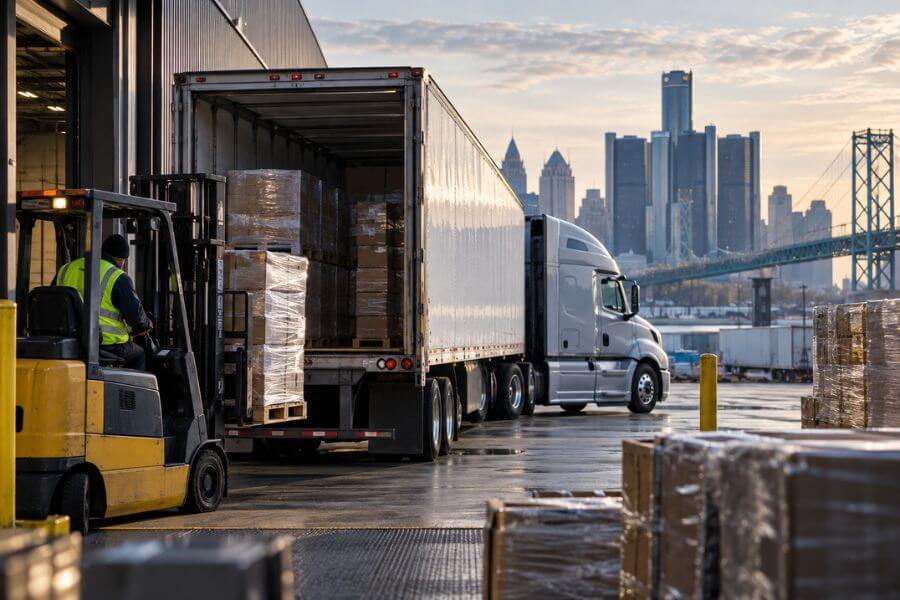
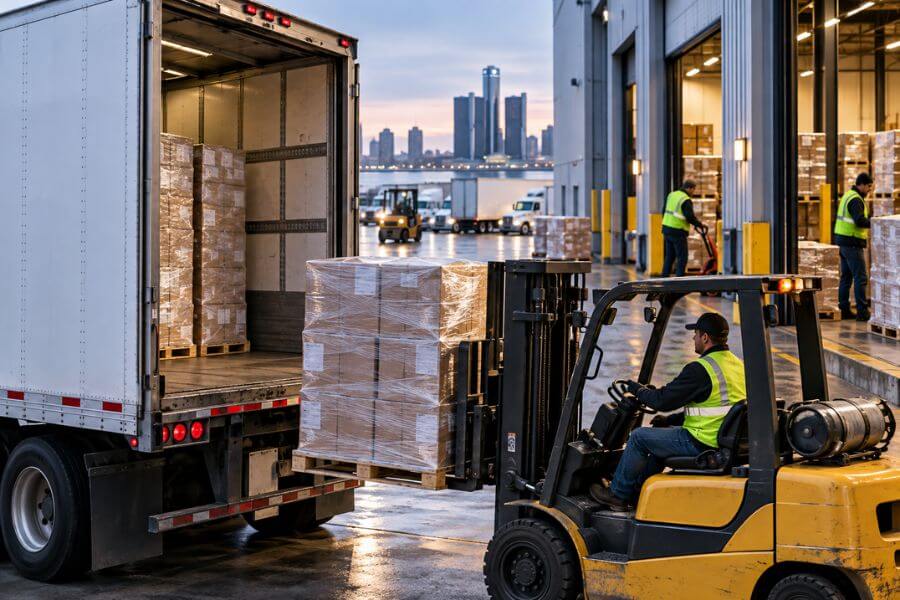
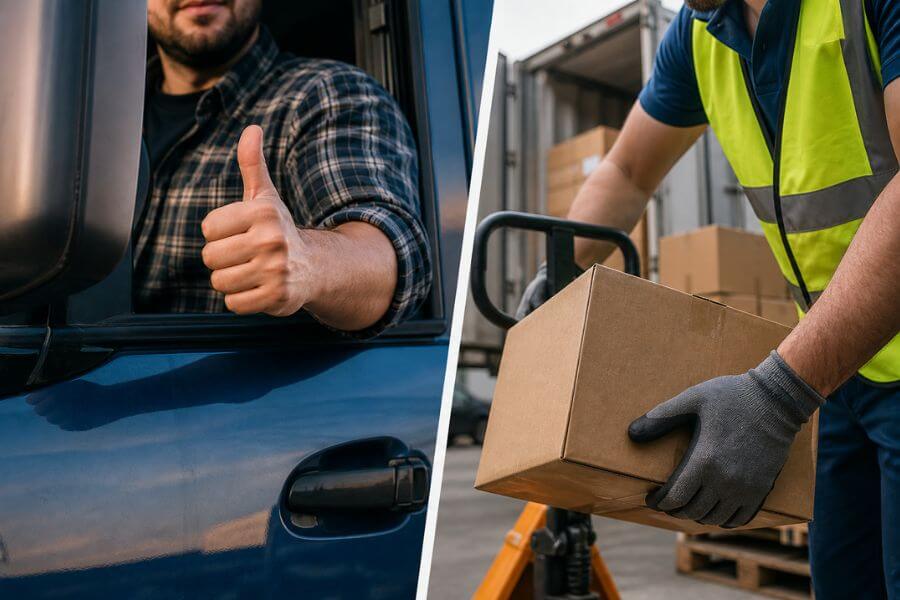
Touch freight means you are responsible for handling some or all of the cargo. This can include:
- Loading and unloading boxes
- Using a pallet jack
- Moving freight inside stores or warehouses
- Organizing deliveries
Touch freight can vary widely. Some jobs involve light handling, while others require heavy lifting and repeated physical effort throughout the day.
This type of freight is common in:
- Food and beverage delivery
- Retail store delivery
- Local and regional routes
Quick Comparison Table
| Feature | No-Touch Freight | Touch Freight |
|---|---|---|
| Physical effort | Very low | Moderate to high |
| Pay potential | Moderate | Often higher |
| Work pace | Slower, more waiting | Faster, more active |
| Job stress | Lower physical stress | Higher physical stress |
| Schedule predictability | Often consistent | Can vary |
| Skill requirements | Driving focused | Driving plus handling |
| Fatigue level | Mental fatigue | Physical and mental fatigue |
| Job availability | Very high | High, especially local routes |
Key Factors That Matter to Drivers
When choosing between no-touch and touch freight, you should focus on what matters most in your daily life and long-term career.
Income
Some touch freight jobs pay more because they require extra work. You are not just driving, you are also handling freight. This can increase your earnings through:
- Higher base pay
- Stop pay
- Delivery bonuses
No-touch freight jobs may offer steady pay but sometimes lower rates compared to physically demanding roles.
Physical Health
Your body is one of your most important tools. Touch freight can:
- Build strength and keep you active
- Increase risk of injury
- Lead to long-term wear and tear
No-touch freight protects your body, but may lead to:
- Less physical activity
- More sitting and inactivity
Lifestyle and Schedule
Some drivers prefer long stretches on the road with minimal interruptions. Others like active, local routes with frequent stops.
- No-touch freight often means fewer stops and longer drives
- Touch freight usually means more stops and a faster pace
Job Satisfaction
Some drivers enjoy staying active and moving throughout the day. Others prefer focusing only on driving.
Your personal preference plays a big role here.
Pros of No-Touch Freight
No-touch freight is one of the most popular job types in the trucking industry, and for good reason.
1. Minimal Physical Strain
One of the biggest advantages is that you are not lifting heavy cargo.
This means:
- Less stress on your back and joints
- Lower risk of injuries
- Longer career potential
If you plan to drive for many years, protecting your body can be a major benefit.
2. Focus on Driving
With no-touch freight, your main job is driving. You can focus on:
- Road safety
- Fuel efficiency
- Time management
You are not splitting your attention between driving and physical labor.
3. More Predictable Workload
In many cases, no-touch freight jobs follow structured schedules. You may have:
- Set routes
- Regular pickup and delivery points
- Consistent miles each week
This can make planning your life easier.
4. Lower Daily Fatigue
Even though driving can be tiring, it is different from physical exhaustion. With no-touch freight:
- You avoid heavy lifting
- You conserve energy
- You may feel less worn out at the end of the day
5. Suitable for Long Haul Drivers
If you prefer long-distance routes, no-touch freight is often the standard. It allows you to:
- Drive longer distances without frequent stops
- Maintain steady hours
- Spend more time on the road
Cons of No-Touch Freight
While no-touch freight has many benefits, it is not perfect for every driver.
1. Lower Earning Potential in Some Cases
Because you are not doing extra labor, some companies pay less compared to touch freight jobs.
You may miss out on:
- Delivery bonuses
- Extra pay for unloading
- Higher rates for specialized work
2. Long Wait Times
One common frustration is waiting at the docks.
You may experience:
- Delays during loading or unloading
- Unpaid detention time
- Sitting for hours without moving
This can affect both your income and your schedule.
3. Less Physical Activity
Spending long hours sitting can lead to:
- Weight gain
- Reduced fitness
- Health issues over time
You may need to make extra effort to stay active outside of work.
4. Repetitive Routine
Some drivers find no-touch freight jobs repetitive.
- Same routes
- Same processes
- Less variety
If you enjoy variety and movement, this may feel boring over time.
Pros of Touch Freight
Touch freight offers a very different experience. It can be more demanding, but also more rewarding in certain ways.
1. Higher Pay Opportunities
Many touch freight jobs offer higher pay because of the added effort.
You may earn more through:
- Per stop pay
- Delivery bonuses
- Higher hourly or mileage rates
For drivers focused on maximizing income, this can be a strong advantage.
2. More Active Workday
If you prefer staying active, touch freight can feel more engaging.
- You are not sitting all day
- You move throughout your shift
- Your day may feel faster
Some drivers find this more satisfying than long hours behind the wheel.
3. Faster Turnaround Times
In some cases, you can control your schedule better.
Instead of waiting for warehouse staff, you may:
- Unload your own truck
- Complete deliveries faster
- Move on to the next stop quickly
This can reduce downtime.
4. Better for Local Routes
Touch freight is common in local and regional jobs. This means:
- More time at home
- Shorter routes
- Daily or weekly home time
If work-life balance is important to you, this can be a big benefit.
5. Skill Development
Handling freight teaches you additional skills, such as:
- Using pallet jacks
- Organizing loads
- Managing multiple deliveries
These skills can open up more job opportunities.
Cons of Touch Freight
Touch freight also comes with challenges that you should carefully consider.
1. Physical Demands
This is the biggest downside.
You may need to:
- Lift heavy items
- Work in all weather conditions
- Perform repetitive movements
Over time, this can lead to fatigue and injury if not managed properly.
2. Increased Risk of Injury
Common risks include:
- Back strain
- Muscle injuries
- Slips and falls
You must be careful and use proper techniques to protect yourself.
3. More Stress During Deliveries
Handling freight adds pressure to your job.
You may need to:
- Meet tight delivery schedules
- Navigate busy delivery areas
- Handle customer interactions
This can increase stress compared to no-touch freight.
4. Longer Workdays
Even if your driving hours are shorter, your total workday can be longer because of:
- Loading and unloading time
- Multiple stops
- Delivery setup
5. Weather Exposure
Unlike no-touch freight, you may need to work outside in:
- Rain
- Snow
- Heat
This can make the job more physically and mentally demanding.
Side by Side Pros and Cons Summary
| Category | No-Touch Freight | Touch Freight |
|---|---|---|
| Pay | Stable but sometimes lower | Often higher with bonuses |
| Physical effort | Very low | High |
| Injury risk | Low | Moderate to high |
| Work style | Driving focused | Mixed driving and labor |
| Daily pace | Slower | Faster |
| Job variety | Lower | Higher |
| Home time | Often long haul | Often local or regional |
| Stress type | Waiting and time pressure | Physical and delivery pressure |
Which One Is Right for You?
Choosing between no-touch and touch freight depends on your personal priorities.
Choose No-Touch Freight If You:
- Want to protect your body long term
- Prefer focusing only on driving
- Like steady and predictable routes
- Do not mind occasional waiting time
- Prefer long-haul opportunities
Choose Touch Freight If You:
- Want to earn more through active work
- Enjoy staying physically active
- Prefer local or regional routes
- Do not mind physical labor
- Like faster-paced workdays
There is no one-size-fits-all answer. The best choice depends on your goals, your health, and your lifestyle.
How Many Drivers Switch Between the Two?
It is common for drivers to switch between no-touch and touch freight during their careers.
For example:
- New drivers may start with touch freight to earn more and gain experience
- Experienced drivers may move to no-touch freight for easier workloads
- Some drivers switch based on life stage or health needs
Your choice today does not have to be permanent. The trucking industry offers flexibility if you are willing to adapt.
Tips for Making the Right Decision
Before you accept a job, take time to ask the right questions.
Ask About Job Details
- Will you be unloading freight yourself
- How heavy are the loads
- How many stops per day
- Is there extra pay for handling freight
Consider Your Physical Condition
Be honest about your fitness level and long-term health goals.
Think About Your Income Goals
If you need higher earnings, touch freight may help. If you value consistency, no-touch freight may be better.
Evaluate Your Lifestyle
- Do you want to be home more often
- Do you prefer long trips or short routes
- Do you enjoy active work or driving focus
Conclusion
No-touch freight and touch freight each offer unique advantages and challenges. No-touch freight gives you a simpler, less physically demanding job with a strong focus on driving. Touch freight gives you the opportunity to earn more and stay active, but it requires more effort and comes with higher physical demands.
The right choice depends on what matters most to you. If you value comfort, long-term health, and steady driving, no-touch freight may be the better option. If you want higher pay, more activity, and local routes, touch freight could be a great fit.
Take time to understand your priorities, ask the right questions, and choose the path that supports both your career and your lifestyle.
Frequently Asked Questions
Is no-touch freight always easier than touch freight?
No-touch freight is usually easier physically, but it is not always easier overall. You may deal with long wait times, tight schedules, and mental fatigue from extended driving. Each type has its own challenges.
Can you make good money with no-touch freight?
Yes, you can still earn a solid income with no-touch freight. Many long-haul and dedicated routes offer competitive pay, especially with consistent miles and bonuses. However, touch freight jobs may offer higher earning potential in some cases.
Do companies train drivers for touch freight?
Most companies provide basic training for handling freight, including how to use equipment like pallet jacks. However, you are still expected to be physically capable and willing to perform the work.
Is touch freight worth it for new drivers?
It can be. Touch freight jobs may offer better pay and more opportunities for beginners. They also help you build experience quickly. However, you should be prepared for the physical demands.
Can you switch from touch freight to no-touch freight later?
Yes, many drivers do this. As you gain experience, you will have more options. Some drivers move to no-touch freight later in their careers to reduce physical strain and extend their time in the industry.