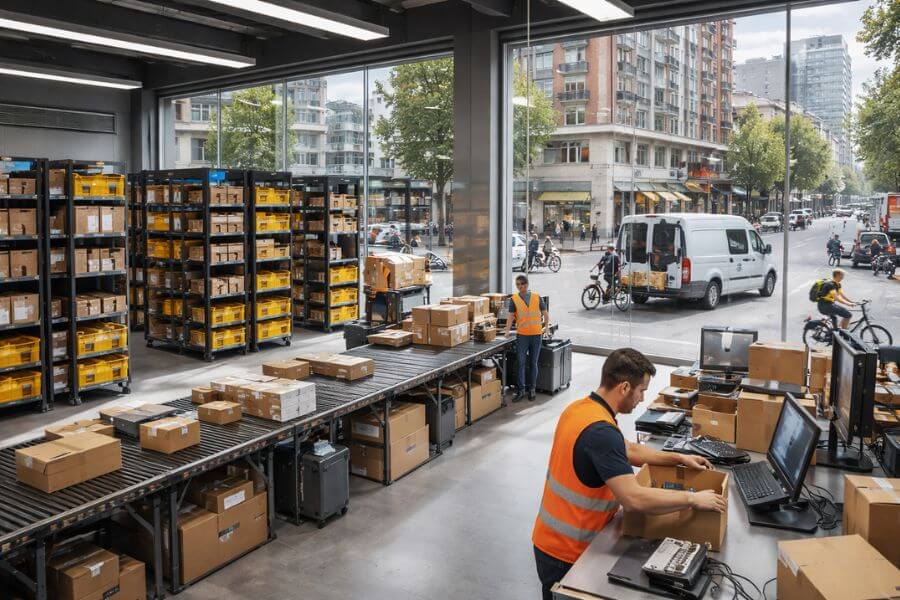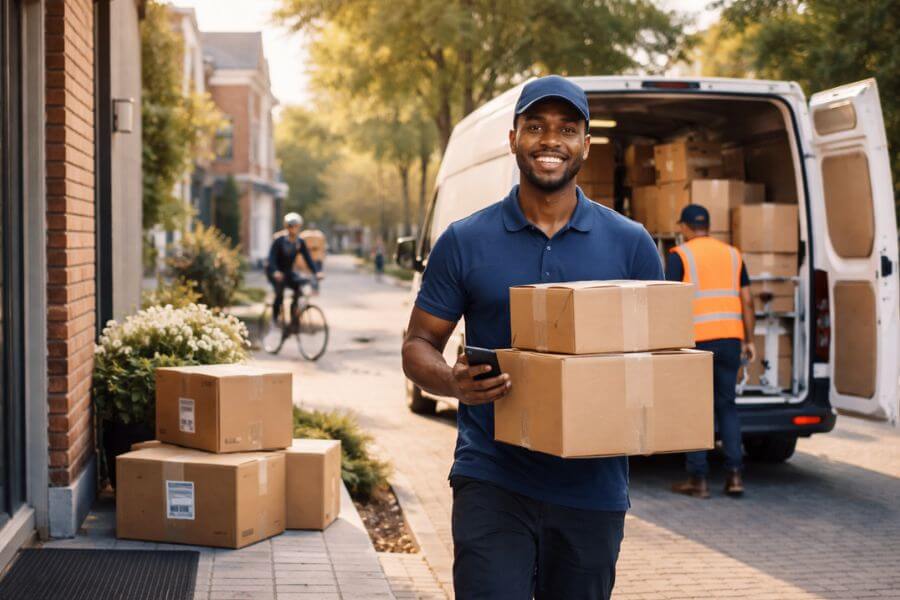
As sustainability becomes a major priority for modern businesses, reverse logistics is gaining attention as a powerful way to reduce waste across the supply chain. Reverse logistics refers to the process of moving goods from customers back to warehouses, distribution centers, or manufacturers for reuse, refurbishment, recycling, or proper disposal. Instead of treating returns as losses, companies are now viewing them as opportunities to recover value and minimize environmental impact. From reducing landfill waste to extending product lifecycles, reverse logistics plays an important role in building a more circular supply chain. Here are ten practical ways reverse logistics helps companies reduce waste while improving efficiency.
1. Enabling Product Refurbishment Programs
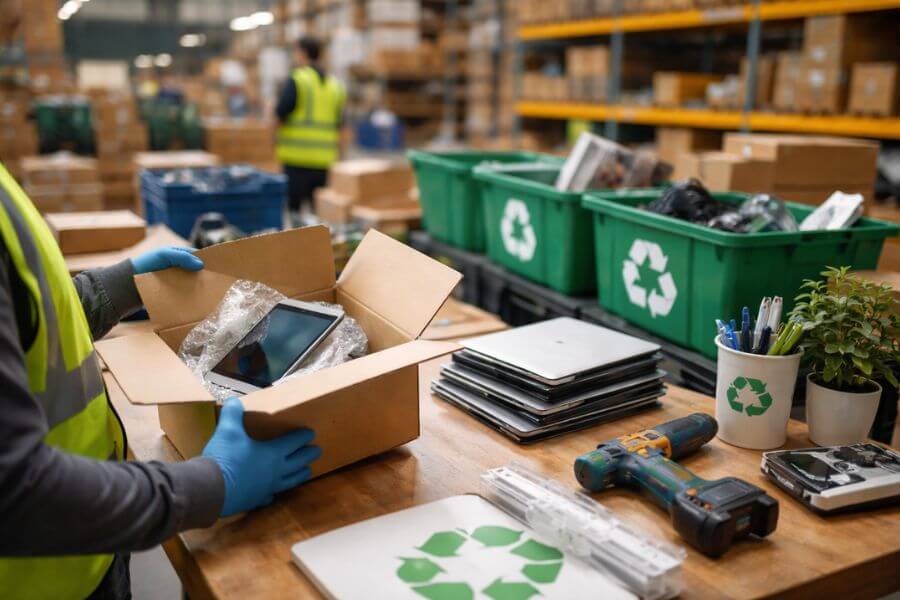
Reverse logistics allows companies to recover returned products and restore them to a sellable condition through refurbishment programs. Instead of discarding returned items due to minor defects or packaging damage, businesses can inspect, repair, and repackage these products for resale. This significantly reduces waste while allowing companies to recover revenue that would otherwise be lost. Refurbishment programs are especially effective in electronics, appliances, and consumer goods, where small repairs can extend product life. By creating structured inspection and grading processes, businesses can categorize products based on their resale potential. This reduces unnecessary disposal and supports sustainability initiatives. Customers also benefit because refurbished products are often sold at discounted prices, creating additional market opportunities. By treating returned inventory as recoverable assets rather than waste, companies can reduce landfill contributions and improve supply chain efficiency at the same time.
2. Supporting Product Recycling Initiatives
Reverse logistics creates structured pathways for recycling materials that would otherwise end up in landfills. Returned or end-of-life products can be broken down into reusable components such as metals, plastics, and electronics. With proper sorting processes, businesses can send materials to specialized recycling partners that recover raw materials for future production. This reduces the need for virgin resources and lowers environmental impact. Recycling programs also help companies comply with environmental regulations and corporate sustainability goals. Many brands now offer return programs specifically designed for recycling, encouraging customers to send back used products responsibly. This approach transforms waste streams into resource streams. Over time, recycling through reverse logistics can lower material procurement costs while helping companies build a more environmentally responsible brand image that resonates with eco-conscious consumers.
3. Reducing Packaging Waste Through Reuse
Packaging is one of the largest contributors to supply chain waste, but reverse logistics can help reduce this impact through packaging recovery programs. Companies can design durable packaging that can be returned, inspected, and reused multiple times. This is common in business-to-business logistics, where reusable containers, pallets, and protective materials can circulate through closed-loop systems. Reusable packaging reduces the need for single-use materials and lowers disposal costs. Businesses can also standardize packaging sizes to simplify recovery and reuse processes. By integrating packaging return workflows into reverse logistics operations, companies can significantly reduce cardboard, plastic, and foam waste. This approach also improves cost efficiency because reusable packaging often becomes cheaper over time compared to disposable alternatives. As sustainability expectations grow, reusable packaging supported by reverse logistics is becoming a competitive advantage.
4. Preventing Overstock Disposal Through Returns Management
Reverse logistics helps companies manage excess inventory more effectively by redirecting unsold or overstocked products. Instead of discarding outdated or seasonal inventory, businesses can transfer these goods to secondary markets, discount channels, or donation programs. Returns management systems also allow companies to restock items quickly when possible, reducing the need for disposal. Advanced inventory visibility tools make it easier to identify which returned products can be resold immediately and which require processing. This reduces unnecessary write-offs and waste. Some organizations also use reverse logistics networks to redistribute products across different geographic markets where demand still exists. By treating overstock as a redistribution opportunity rather than a disposal problem, companies can reduce waste while maximizing product utilization and maintaining better inventory control.
5. Extending Product Lifecycles Through Repairs
Repair programs supported by reverse logistics help extend product lifecycles and reduce waste associated with premature disposal. When customers return defective products, companies can route them to repair centers instead of scrapping them. Even simple fixes, such as replacing components or updating firmware, can restore functionality. This reduces demand for new manufacturing and lowers material consumption. Offering repair services can also improve customer trust and brand loyalty because customers see that the company stands behind its products. Some businesses now provide repair-friendly product designs that make maintenance easier and more cost-effective. By integrating repair workflows into reverse logistics operations, companies can significantly reduce waste while supporting long-term sustainability strategies. Extending product life is one of the most effective ways to reduce environmental impact.
6. Improving Materials Recovery Through Disassembly
Reverse logistics enables companies to recover valuable materials through structured disassembly processes. Products that cannot be repaired or resold can still provide value through component recovery. Companies can extract usable parts such as circuit boards, motors, or structural components for reuse in manufacturing or servicing. This process, often called parts harvesting, reduces the need to purchase new components. It also prevents valuable materials from being discarded unnecessarily. With better product design focused on modular construction, disassembly becomes faster and more efficient. This supports circular economy strategies where materials stay in use longer. Over time, material recovery programs supported by reverse logistics can significantly reduce waste streams while creating new cost savings opportunities for manufacturers and distributors.
7. Encouraging Customer Return Programs for Sustainability
Many companies now encourage customers to return used products through sustainability-focused take-back programs. Reverse logistics makes these programs possible by providing structured collection and transportation processes. These programs are common in industries such as fashion, electronics, and beauty products. Incentives such as store credits or discounts can encourage participation. Once collected, products can be recycled, refurbished, or responsibly disposed of. These programs prevent improper disposal and reduce environmental harm. Customer return initiatives also strengthen brand reputation because they demonstrate environmental responsibility. Reverse logistics provides the operational backbone that makes these sustainability programs practical and scalable. By involving customers directly in waste reduction efforts, businesses can create stronger engagement while reducing supply chain waste.
8. Reducing Transportation Waste Through Consolidation
Reverse logistics networks can reduce transportation waste by consolidating returns into optimized shipping routes. Instead of handling returns individually, companies can group shipments to reduce fuel consumption and emissions. Smart routing software helps determine the most efficient paths for return shipments. Consolidation centers can also process returns in bulk, improving efficiency and reducing handling waste. This approach lowers transportation costs while supporting sustainability goals. Businesses can also coordinate forward and reverse logistics together to avoid empty truck miles. By combining deliveries with return pickups, companies maximize vehicle utilization. Transportation optimization within reverse logistics plays a key role in reducing the environmental footprint of returns management while improving overall supply chain performance.
9. Supporting Donation and Secondary Market Channels
Reverse logistics makes it easier for companies to donate usable returned products instead of disposing of them. Items that cannot be sold as new may still be valuable to nonprofit organizations, schools, or community programs. Donation programs reduce landfill waste while creating social impact. Businesses may also use secondary marketplaces to sell returned goods at lower prices. This ensures products continue to be used rather than discarded. Proper sorting processes are important to determine which items qualify for donation or resale. Reverse logistics helps coordinate these movements efficiently. By developing structured donation and resale strategies, companies can reduce waste, recover value, and demonstrate corporate responsibility. This approach also supports environmental and social governance goals.
10. Enabling Data-Driven Waste Reduction Strategies
Reverse logistics generates valuable data that can help companies reduce waste at the source. By analyzing return reasons, product defects, and packaging failures, businesses can identify patterns that lead to waste. This information can guide improvements in product design, packaging quality, and fulfillment processes. For example, if certain products are frequently returned due to damage, companies can improve packaging standards. If sizing issues drive returns, better product descriptions may help. Data-driven improvements reduce return rates and prevent waste before it happens. Over time, insights from reverse logistics can help companies build more efficient and sustainable supply chains. Using data to continuously improve processes ensures waste reduction becomes part of long-term operational strategy rather than a one-time initiative.
Conclusion
Reverse logistics is no longer just about handling returns. It has become an essential strategy for reducing waste, improving sustainability, and recovering value across the supply chain. From refurbishment and recycling to transportation optimization and data analysis, companies that invest in strong reverse logistics programs can significantly reduce their environmental impact. As supply chains continue to evolve toward circular models, reverse logistics will play an even more important role in helping businesses operate responsibly. Organizations that treat reverse logistics as a strategic function rather than a cost center will be better positioned to reduce waste, control costs, and meet growing sustainability expectations.
Frequently Asked Questions
What is reverse logistics in simple terms?
Reverse logistics is the process of moving products from customers back to a business for purposes such as returns, repairs, recycling, or disposal. Instead of products only moving from warehouses to customers, reverse logistics focuses on what happens after delivery. This process helps companies recover value, reduce waste, and improve sustainability by giving products a second life whenever possible instead of treating them as waste.
How does reverse logistics help sustainability?
Reverse logistics supports sustainability by reducing landfill waste, promoting recycling, extending product lifecycles, and lowering the need for new raw materials. By recovering usable products and materials, companies can minimize environmental impact. It also helps reduce carbon emissions through better transportation planning and reuse programs. These practices help businesses meet environmental goals while building more responsible and efficient supply chains.
What industries benefit most from reverse logistics?
Industries with high return rates or valuable recoverable materials benefit the most from reverse logistics. These include ecommerce, electronics, automotive, healthcare, fashion, and consumer goods. Any business that handles returns, repairs, or recycling can benefit. Companies in these sectors often use reverse logistics to recover value from returned inventory while improving waste management and sustainability performance.
Is reverse logistics expensive to implement?
Reverse logistics does require investment in processes, technology, and transportation, but it often leads to long-term savings. Companies can recover value from returned goods, reduce disposal costs, and improve inventory management. Over time, these benefits often outweigh the initial investment. Many businesses find that effective reverse logistics programs improve both financial performance and environmental outcomes.
How can companies reduce return waste?
Companies can reduce return waste by improving product descriptions, strengthening packaging, offering repair options, and reselling returned items. Using data from reverse logistics systems can also help identify common reasons for returns. By addressing these issues, businesses can reduce the volume of returns and minimize waste. Preventing unnecessary returns is one of the most effective ways to improve sustainability.
What is the difference between forward and reverse logistics?
Forward logistics refers to the movement of goods from manufacturers to customers. Reverse logistics focuses on moving goods from customers back to businesses for returns, repairs, recycling, or disposal. Both are important parts of supply chain management. While forward logistics focuses on fulfillment and delivery, reverse logistics focuses on recovery, sustainability, and waste reduction after the sale is completed.
Can reverse logistics improve customer satisfaction?
Yes, reverse logistics can improve customer satisfaction by making returns and repairs easier and faster. Clear return policies and efficient processing help customers feel confident when making purchases. Offering refurbishment or replacement options can also improve the customer experience. A smooth reverse logistics process shows that a company values service quality and long-term customer relationships.
What role does technology play in reverse logistics?
Technology helps automate returns processing, track returned inventory, and analyze return data. Warehouse management systems, return management platforms, and analytics tools all play important roles. These technologies improve efficiency and help companies make better decisions about product recovery. Digital tools also help identify trends that can reduce future waste and improve supply chain performance.
How does reverse logistics support the circular economy?
Reverse logistics supports the circular economy by keeping products and materials in use for as long as possible. Through recycling, repairs, and refurbishment, businesses can reduce the need for new resources. This approach reduces waste and promotes sustainability. Reverse logistics provides the operational processes needed to make circular supply chain models practical and scalable for modern businesses.
What are common challenges in reverse logistics?
Common challenges include transportation costs, product inspection complexity, inventory tracking, and managing unpredictable return volumes. Companies may also struggle with determining whether products should be repaired, resold, or recycled. However, with proper planning, technology, and clear processes, these challenges can be managed. Strong reverse logistics strategies can turn these challenges into opportunities for efficiency and waste reduction.