Global trade has entered a period where change is becoming the norm rather than the exception. Tariffs, geopolitical uncertainty, shifting sourcing strategies and changing freight patterns are forcing businesses to reconsider where products are manufactured, where inventory is stored and how goods move across North America.
For shippers, the result is a growing need for supply chains that can adapt quickly.
Trade Uncertainty Is Changing Supply Chain Decisions
Transport Topics reports that tariff uncertainty continues to influence nearly every level of the supply chain, from sourcing and manufacturing to inventory management, warehousing and transportation. Many companies are responding by shortening planning cycles, diversifying suppliers and creating logistics networks capable of shifting between transportation corridors when conditions change.
Rather than designing supply chains around one predictable trade environment, businesses increasingly have to prepare for several possible scenarios.
That makes flexibility an important competitive advantage.
Nearshoring Is Bringing More Freight to North America
One of the clearest responses has been continued interest in nearshoring.
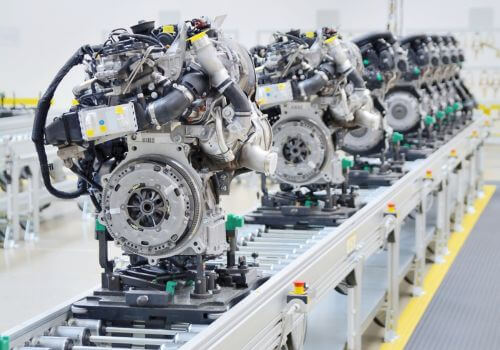
Manufacturers are increasingly considering production in Mexico, the United States and other nearby markets as they look to reduce exposure to long international supply chains and changing tariff structures.
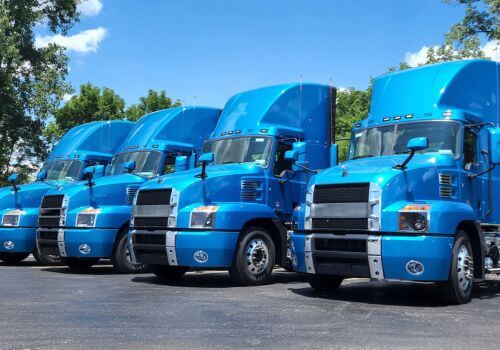
Transport Topics reports that logistics providers have already expanded cross-border services and warehousing capacity to accommodate this shift. The publication also notes that increased manufacturing activity is expected to generate additional trucking demand as raw materials, components and finished products move throughout North America.
The Midwest could be especially important.
Manufacturing growth and cross-border freight are creating new transportation requirements across states including Michigan, Ohio, Indiana and surrounding industrial markets. As more goods enter the United States or are manufactured closer to their final customers, efficient warehousing and domestic transportation become increasingly important.
Imports Still Need a Strong Domestic Network
Changing global trade flows do not end when a container reaches a U.S. port.
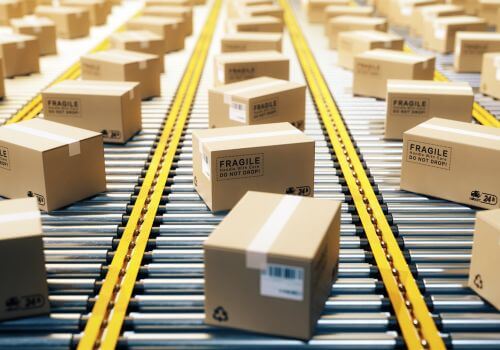
Imported products still need to move through drayage operations, warehouses, distribution centers and trucking networks before reaching manufacturers, retailers or consumers.
Recent fluctuations at major U.S. ports demonstrate how quickly import volumes can change. Transport Topics reported shifts in container traffic during 2026 as tariffs and geopolitical conditions created additional uncertainty for global supply chains.
For businesses, having logistics capacity positioned closer to customers and major transportation corridors can help create a buffer between international disruption and domestic operations.
Warehousing Is Becoming Part of the Strategy
Warehouses are no longer simply places to store excess inventory.
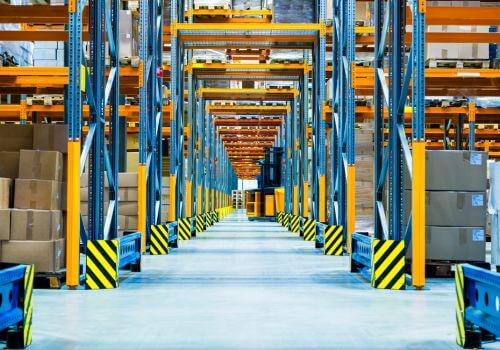
They can serve as strategic points where businesses consolidate freight, hold safety stock, cross-dock shipments, manage inventory and rapidly redirect products as demand changes.
This becomes particularly valuable when import schedules, transportation rates or sourcing locations are unpredictable.
A flexible 3PL network gives companies the ability to adjust inventory without having to build an entirely new logistics infrastructure every time market conditions change.
Building a More Flexible Supply Chain With Logos Logistics
Logos Logistics provides integrated 3PL warehousing and asset-based trucking designed to help businesses manage these increasingly complex supply chains.
With warehousing, transportation, intermodal drayage, freight brokerage, freight forwarding and contract logistics capabilities, Logos can support products from arrival and storage through domestic distribution. Its network includes strategic locations in Michigan, Ohio, Delaware and California, along with an international presence in South Korea.
For manufacturers and shippers navigating changing trade patterns, combining transportation and warehousing under one logistics strategy can improve visibility, simplify coordination and make it easier to respond when conditions change.
Global trade may remain unpredictable.
Your logistics network doesn’t have to be.