Supply is one of the most important concepts in logistics. Whether you run a business, manage inventory, work in transportation, or simply want to understand how products move from manufacturers to customers, knowing how supply works can help you make better decisions.
In logistics, supply refers to the availability of goods, materials, or products that are needed to meet customer demand. It influences inventory levels, transportation planning, warehouse operations, and overall supply chain performance. When supply is managed properly, businesses can deliver products on time, reduce costs, and keep customers satisfied.
This guide explains everything you need to know about supply in logistics, including how it works, why it matters, common challenges, and best practices for managing it effectively.
Quick Summary Table
| Topic | Description |
|---|---|
| Supply | The availability of goods, materials, or products for distribution and sale. |
| Purpose | Ensure customer demand can be met efficiently. |
| Key Areas | Inventory, warehousing, transportation, procurement, and distribution. |
| Main Goal | Maintain the right products in the right quantity at the right time. |
| Benefits | Lower costs, improved customer satisfaction, and smoother operations. |
| Common Challenges | Supply shortages, delays, inaccurate forecasting, and disruptions. |
What Is Supply in Logistics?
Supply in logistics refers to the quantity of goods, products, or materials available for movement through the supply chain. It represents the resources businesses use to fulfill customer orders and maintain operations.
Supply can include:
- Raw materials used in manufacturing
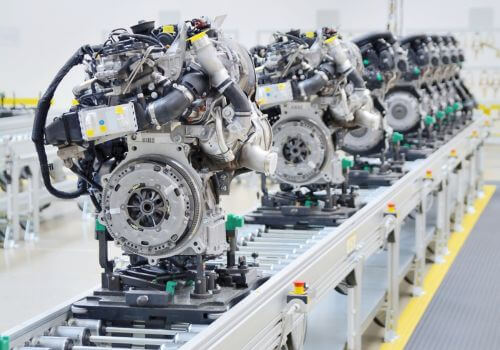
- Components and parts
- Finished products
- Packaging materials
- Replacement inventory
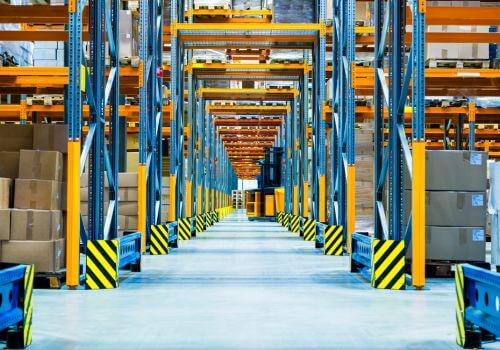
- Products stored in warehouses
Without adequate supply, businesses cannot meet customer demand, resulting in delays, lost sales, and dissatisfied customers.
Why Supply Is Important in Logistics
Supply is the foundation of every logistics operation. Every warehouse, transportation network, and distribution center relies on a steady flow of products.
Proper supply management helps you:
- Meet customer expectations
- Prevent stockouts
- Reduce excess inventory
- Improve delivery performance
- Lower operational costs
- Maintain business continuity
- Increase profitability
When supply is unstable, the entire supply chain can experience delays and disruptions.
How Supply Works in the Logistics Process
Supply moves through several stages before reaching the end customer.
- Procurement: Materials or products are purchased from suppliers.
- Production: Raw materials are transformed into finished goods if manufacturing is involved.
- Storage: Products are stored in warehouses or distribution centers.
- Inventory Management: Stock levels are monitored and controlled.
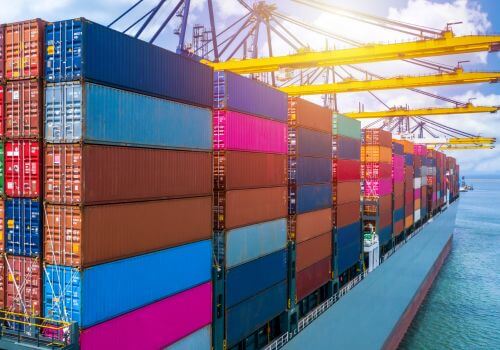
- Transportation: Goods are shipped between locations.
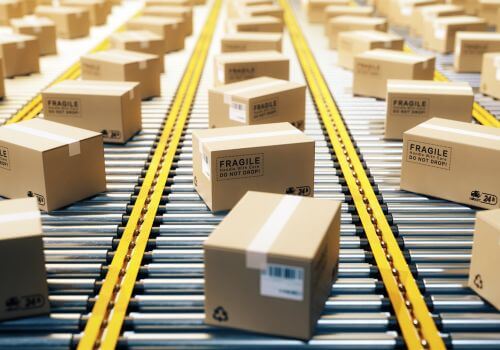
- Order Fulfillment: Customer orders are picked, packed, and prepared.
- Delivery: Products are delivered to customers.
At every stage, supply must remain available and accessible to avoid disruptions.
Supply vs Demand in Logistics
Supply and demand work together in logistics. Understanding the relationship between them is essential for efficient operations.
| Supply | Demand |
|---|---|
| Available products or materials | Customer need for products |
| Controlled by suppliers and manufacturers | Driven by customers and markets |
| Focuses on availability | Focuses on consumption |
| Can be increased through production or sourcing | Can increase due to trends, seasons, or promotions |
Successful logistics operations aim to balance supply and demand. Too much supply creates excess inventory, while too little supply leads to shortages.
Types of Supply in Logistics
Raw Material Supply
Raw material supply includes the resources needed to manufacture products. Examples include steel, plastic, wood, and electronic components.
Work-in-Progress Supply
These are partially completed products moving through the production process.
Finished Goods Supply
Finished goods are products ready for sale and shipment to customers.
Safety Stock Supply
Safety stock is extra inventory maintained to protect against unexpected demand or supply disruptions.
Seasonal Supply
Businesses often increase supply before peak seasons such as holidays, back-to-school periods, or major sales events.
Factors That Affect Supply in Logistics
Several factors can influence supply availability and performance.
- Supplier reliability
- Manufacturing capacity
- Transportation availability
- Economic conditions
- Weather events
- Labor shortages
- Political instability
- Trade regulations
- Natural disasters
- Global market demand
Even a small disruption in one area can affect supply across the entire logistics network.
The Role of Inventory in Supply Management
Inventory is closely connected to supply. Businesses use inventory to ensure products remain available when customers place orders.
Effective inventory management helps you:
- Maintain optimal stock levels
- Reduce storage costs
- Improve order fulfillment speed
- Minimize waste
- Increase inventory accuracy
Modern warehouse management systems help companies track inventory in real time and make better supply decisions.
Supply Planning in Logistics
Supply planning is the process of determining how much inventory and material will be needed in the future.
The goal is to ensure products are available without creating unnecessary inventory costs.
Supply planning often involves:
- Demand forecasting
- Inventory analysis
- Production scheduling
- Supplier coordination
- Transportation planning
- Warehouse capacity planning
Accurate planning helps businesses avoid shortages and excess stock.
Common Supply Challenges in Logistics
Supply Shortages
Shortages occur when available inventory cannot meet customer demand. This often results in delayed orders and lost sales.
Supplier Delays
Late shipments from suppliers can create bottlenecks throughout the supply chain.
Demand Fluctuations
Unexpected spikes or drops in demand make supply planning more difficult.
Transportation Disruptions
Port congestion, vehicle breakdowns, and carrier shortages can delay supply movement.
Poor Forecasting
Inaccurate forecasts can lead to excess inventory or insufficient stock levels.
How Technology Improves Supply Management
Technology has transformed the way businesses manage supply.
Common technologies include:
- Warehouse Management Systems (WMS)
- Transportation Management Systems (TMS)
- Enterprise Resource Planning (ERP) software
- Inventory tracking tools
- Barcode and RFID technology
- Artificial intelligence forecasting systems
- Supply chain visibility platforms
These tools provide real-time information, helping businesses react quickly to changing conditions.
Best Practices for Managing Supply in Logistics
To improve supply performance, consider the following best practices:
- Build strong relationships with suppliers
- Diversify supplier sources
- Monitor inventory regularly
- Use accurate forecasting methods
- Maintain safety stock when necessary
- Invest in supply chain technology
- Track logistics performance metrics
- Create contingency plans for disruptions
- Review supply data frequently
- Improve communication across the supply chain
Businesses that follow these practices are often better prepared for market changes and unexpected disruptions.
Benefits of Effective Supply Management
Strong supply management delivers significant advantages across the entire logistics operation.
- Faster order fulfillment
- Lower operating costs
- Higher customer satisfaction
- Improved inventory accuracy
- Reduced stockouts
- Better warehouse efficiency
- Increased profitability
- Greater supply chain resilience
- Enhanced decision-making
- Competitive advantage in the market
Future Trends in Supply Logistics
The logistics industry continues to evolve as businesses seek greater efficiency and visibility.
Emerging trends include:
- Artificial intelligence for forecasting
- Automation in warehouses
- Real-time supply chain visibility
- Predictive analytics
- Sustainable sourcing practices
- Digital supply chain platforms
- Advanced inventory optimization
- Greater use of data-driven decision-making
Companies that embrace these technologies can improve supply reliability and respond faster to changing market conditions.
Conclusion
Supply is a critical part of logistics and supply chain management. It represents the products, materials, and resources needed to keep operations running and customer orders moving. When supply is managed effectively, businesses can reduce costs, improve efficiency, and deliver a better customer experience.
Whether you operate a small online store or manage a global logistics network, understanding supply helps you make smarter decisions about inventory, transportation, warehousing, and procurement. By combining strong planning, reliable suppliers, and modern technology, you can build a more resilient and efficient logistics operation.
Frequently Asked Questions
How does supply affect transportation costs in logistics?
Supply levels can directly influence transportation costs. Higher supply volumes may allow businesses to consolidate shipments and reduce costs per unit, while limited supply may require expedited shipping or smaller shipments that increase transportation expenses.
Can too much supply be a problem for logistics companies?
Yes. Excess supply can create storage challenges, increase warehouse costs, tie up cash in inventory, and raise the risk of product obsolescence or damage.
What industries rely most heavily on supply management?
Many industries depend on supply management, including retail, manufacturing, automotive, healthcare, food and beverage, electronics, and e-commerce. These industries require consistent product availability to meet customer demand.
How often should businesses review their supply levels?
The review frequency depends on the business and industry. High-volume operations may review supply levels daily, while others may conduct weekly or monthly reviews. Real-time monitoring is becoming increasingly common.
What is the difference between local supply and global supply?
Local supply comes from nearby suppliers within the same region or country, while global supply involves sourcing materials or products internationally. Global supply can provide cost advantages but often involves longer lead times and greater complexity.