Choosing the right transportation partner can have a major impact on cost, capacity, visibility and ultimately how reliably products reach their destination.
Two of the most common options available to shippers are asset-based carriers and freight brokers. While both can move freight from point A to point B, they operate very differently — and understanding those differences can help businesses build a stronger transportation strategy.
What is an Asset-Based Carrier?
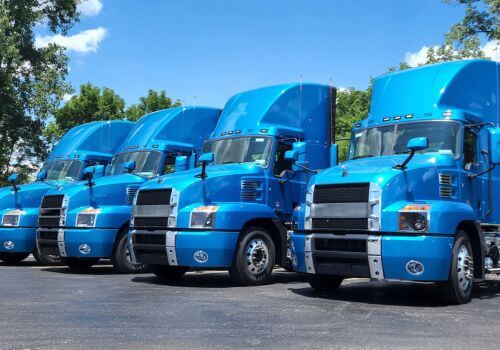
An asset-based carrier owns and operates the trucks, trailers and other transportation equipment used to move freight.
Instead of arranging transportation through another provider, the carrier has direct control over many aspects of the shipment, from equipment availability and driver operations to scheduling and delivery.
For businesses with consistent transportation requirements, this direct control can provide several advantages.
Greater Operational Control
Because the carrier operates its own fleet, there are fewer parties between the shipper and the transportation provider.
This can make communication simpler while providing greater visibility into equipment, schedules and shipment status.
Reliable Capacity
Capacity can become especially important during seasonal demand spikes or periods of freight-market disruption.
Working with an asset-based carrier can give businesses access to dedicated equipment and transportation capacity without relying entirely on the open market.
Strong Fit for Time-Sensitive Freight
Industries such as automotive manufacturing often operate around strict production schedules.
Services including just-in-time delivery, sequence delivery and dedicated transportation can require extremely precise coordination. Asset-based transportation can provide the operational control needed to support these demanding supply chains.
What is a Freight Broker?
A freight broker connects shippers with carriers that have the equipment and capacity needed to transport their freight.
Rather than relying on a single fleet, brokers can access a wider network of transportation providers.
That flexibility can be particularly valuable when freight volumes fluctuate, new lanes are introduced or additional capacity is suddenly required.
Access to More Capacity
A broker’s carrier network can help businesses find transportation outside the geographic reach or capacity of a single fleet.
This can be especially useful when expanding into new markets or managing unexpected increases in shipping demand.
Greater Flexibility
Transportation requirements rarely remain exactly the same.
A company might need full truckload transportation one week, expedited capacity the next and support for a new shipping lane shortly afterward.
Freight brokerage provides the flexibility to source transportation based on those changing requirements.
Support for Irregular Freight
Not every company ships enough freight on the same lanes to justify dedicated transportation.
For occasional shipments, changing destinations or unpredictable volumes, brokerage can provide a more flexible solution.
Asset-Based Carrier vs. Freight Broker
So which model is better?
The answer depends on the supply chain.
Asset-Based CarrierFreight BrokerOperates its own transportation equipmentSources capacity from a carrier networkStrong control over equipment and operationsGreater access to external capacityWell suited to consistent freight lanesWell suited to fluctuating transportation needsCan support dedicated fleet operationsCan quickly source capacity across different marketsIdeal for highly coordinated transportationIdeal for flexibility and changing freight volumes
For many businesses, however, the best transportation strategy doesn’t require choosing only one.
Why a Hybrid Transportation Strategy Can Make Sense
Modern supply chains need both reliability and flexibility.
A business may use asset-based transportation for its core lanes while relying on brokerage capacity to manage overflow freight, seasonal demand or destinations outside its normal network.
For example, a manufacturer could use dedicated trucks to maintain consistent deliveries between a warehouse and production facility while using brokerage services when an unexpected shipment needs to move across the country.
This hybrid approach allows companies to establish dependable transportation capacity without limiting their ability to react when circumstances change.
One Logistics Partner, Multiple Transportation Options
Managing multiple carriers, brokers and logistics providers can quickly create additional complexity.
Working with a 3PL capable of providing both asset-based transportation and freight brokerage allows businesses to build transportation solutions around what each shipment actually requires.
Logos Logistics provides both asset-based trucking and freight brokerage solutions, allowing customers to combine dedicated transportation capacity with access to additional freight options when their supply chains require greater flexibility.
Our transportation capabilities include just-in-time delivery, sequence delivery, short-haul and long-haul transportation, intermodal drayage and dedicated fleet services, while our freight brokerage solutions provide additional capacity for changing transportation requirements.
Instead of forcing every shipment into the same transportation model, businesses can develop a logistics strategy built around their lanes, volumes, delivery requirements and long-term goals.
Build a Transportation Strategy That Fits Your Supply Chain
There is no universal answer to the asset-based carrier vs. freight broker question.
For consistent, time-sensitive freight, direct access to an asset-based fleet can provide greater control and reliability. For fluctuating volumes, changing lanes or additional capacity requirements, freight brokerage can provide valuable flexibility.
For many businesses, the strongest solution is a combination of both.