If you are exploring the trucking and logistics industry, you will often hear the term “no-touch freight.” It is one of the most attractive types of freight for many drivers because it reduces physical labor and simplifies the job. Whether you are a new CDL driver, a fleet owner, or someone trying to understand logistics better, knowing how no-touch freight works can help you make smarter decisions.
In this guide, you will learn what no-touch freight means, how it works, its benefits and drawbacks, and how it compares to other types of freight. By the end, you will have a clear understanding of why it is so popular in the industry.
What Is No-Touch Freight?
No-touch freight refers to shipments where you, as the driver, are not responsible for loading or unloading the cargo. Instead, warehouse staff, dock workers, or automated systems handle all physical movement of goods.
Your main responsibility is to pick up the load, transport it safely, and deliver it to the correct location. You do not need to lift, move, or handle the cargo at any point.
How No-Touch Freight Works
The process of no-touch freight is simple and efficient. It focuses on reducing driver involvement in physical tasks and streamlining operations.
- You arrive at a shipper’s location
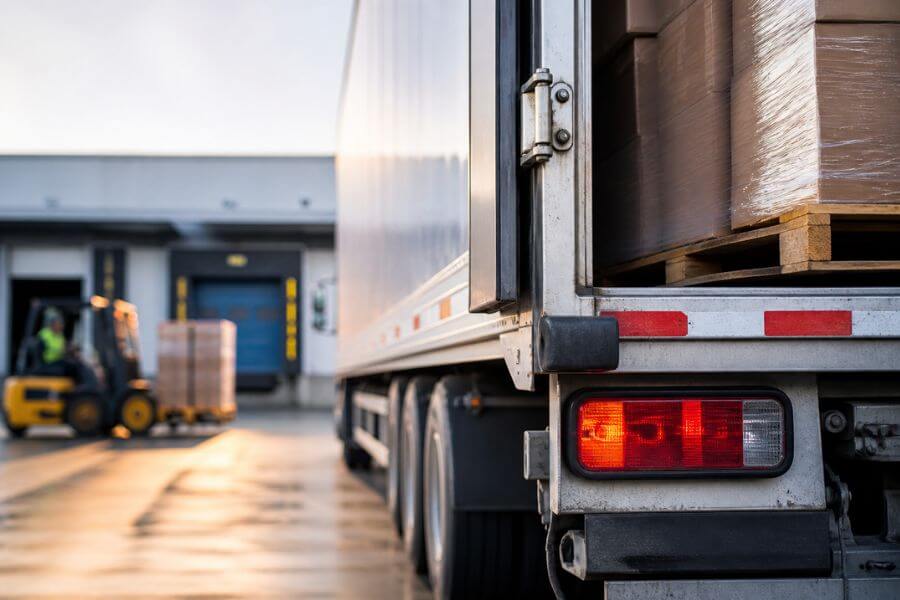
- Warehouse staff load the trailer for you
- You transport the freight to the destination
- At delivery, staff unload the cargo
- You confirm delivery and move on to the next load
This system allows drivers to stay focused on driving, safety, and time management rather than physical labor.
Types of No-Touch Freight
Not all no-touch freight is exactly the same. There are a few variations you should understand.
- Drop and hook: You drop off a loaded trailer and pick up a preloaded one. No waiting for loading or unloading.
- Live load and unload: Workers load and unload the trailer while you wait.
- Preloaded trailer: The trailer is already loaded before you arrive.
Each type offers different levels of efficiency and wait time, but they all share the same core idea. You do not handle the freight yourself.
Benefits of No-Touch Freight
No-touch freight offers several advantages, especially if you want a smoother and less physically demanding driving experience.
1. Less Physical Strain
Since you are not required to lift or move cargo, you reduce the risk of injuries and fatigue. This is especially helpful for long-term health.
2. Faster Turnaround Times
With warehouse staff handling loading and unloading, the process can be quicker. This allows you to complete more loads in less time.
3. Easier for New Drivers
If you are new to trucking, no-touch freight can make the job less stressful. You can focus on learning routes, safety, and regulations.
4. Consistent Workflow
Many no-touch freight jobs involve structured routes and predictable schedules. This makes planning easier.
5. Lower Risk of Cargo Damage
Since trained staff handle the goods, the chances of damaging cargo due to improper handling are reduced.
Drawbacks of No-Touch Freight
While no-touch freight has many benefits, it is not perfect. You should also be aware of the downsides.
1. Lower Pay in Some Cases
Some no-touch freight jobs may pay slightly less than touch freight roles because there is less physical work involved.
2. Waiting Times
In live load situations, you may have to wait for warehouse staff to finish loading or unloading. This can delay your schedule.
3. Less Control
Since you rely on others to handle the freight, delays or mistakes at the warehouse can affect your delivery timeline.
4. Limited Activity
If you prefer a more active job, no-touch freight may feel too passive since your role is mainly driving.
No-Touch Freight vs Touch Freight
Understanding the difference between no-touch and touch freight can help you decide which is better for you.
- No-touch freight: No physical handling required
- Touch freight: You are responsible for loading, unloading, or moving cargo
Touch freight jobs often involve more work but may offer higher pay. On the other hand, no-touch freight focuses on comfort and efficiency.
Who Should Choose No-Touch Freight?
No-touch freight is a great option for many drivers, but it is especially suitable for certain situations.
- New drivers who want to ease into the industry
- Drivers looking to avoid physical strain
- People who prefer predictable schedules
- Drivers focused on long-term health and safety
- Those who want a simpler workflow
Industries That Commonly Use No-Touch Freight
Many industries rely on no-touch freight to improve efficiency and reduce handling errors.
- Retail and eCommerce distribution
- Grocery and food supply chains
- Manufacturing and industrial goods
- Automotive parts distribution
- Warehouse and fulfillment centers
These industries often have dedicated loading teams and systems in place, making no-touch freight a standard practice.
Tips for Working with No-Touch Freight
Even though you are not handling the cargo, there are still best practices you should follow to succeed.
- Always check paperwork carefully before leaving
- Inspect your trailer for safety and security
- Communicate clearly with warehouse staff
- Plan for possible wait times at docks
- Stay organized with schedules and routes
These habits will help you stay efficient and avoid unnecessary delays.
Conclusion
No-touch freight is one of the most popular options in the logistics industry for good reason. It allows you to focus on driving while reducing physical stress and simplifying daily tasks. Although it may come with some trade-offs like waiting times or slightly lower pay, the overall benefits make it an excellent choice for many drivers.
If you value comfort, safety, and efficiency, no-touch freight could be the right path for you. By understanding how it works and what to expect, you can make better decisions and build a successful career in logistics.
Frequently Asked Questions
Is no-touch freight completely hands-off?
Yes, in most cases. You are not required to load or unload cargo. However, you may still need to open trailer doors, secure paperwork, or inspect the load for safety.
Do no-touch freight jobs pay less?
Sometimes they do, but not always. While some touch freight jobs pay more due to extra labor, many no-touch freight roles offer competitive pay with better work conditions.
Can delays still happen with no-touch freight?
Yes, delays can occur if warehouse staff are busy or if there are scheduling issues. Waiting during live loads is one of the common challenges.
Is no-touch freight safer for drivers?
It is generally safer because it reduces the risk of injuries related to lifting and handling cargo. However, you still need to follow all driving and safety rules.
Do all trucking companies offer no-touch freight?
No, not all companies offer it. Some specialize in touch freight or a mix of both. It is important to check job details before applying.