For the past several years, the freight market has been defined by change. Capacity has expanded and contracted, rates have shifted, operating costs have increased, and shippers have had to continually rethink how they move freight.
As we move through the second half of 2026, another shift is taking place.
While truckload spot rates have eased from their summer highs, transportation capacity continues to face pressure from rising insurance costs, stricter driver requirements, regulatory enforcement, and carriers leaving the market. C.H. Robinson notes that these conditions are creating a freight environment that is increasingly sensitive to disruptions, even when overall demand remains relatively moderate.
For shippers, that makes one thing increasingly valuable: consistency.
Moving Beyond Transactional Freight
When capacity is widely available, purchasing transportation load-by-load can seem like an effective strategy. Shippers can shop rates, source carriers as needed, and take advantage of a competitive spot market.
But when capacity begins to tighten, that strategy can become less predictable.
Reliable trucks may be harder to secure. Rates can move quickly during seasonal surges or disruptions. Different drivers and carriers may arrive each week, creating inconsistencies in communication, scheduling, and facility procedures.
That is one reason dedicated and round-trip freight is receiving greater attention. Carriers themselves are increasingly prioritizing long-term commitments and efficient, repeatable freight over purely transactional loads.
A dedicated transportation strategy gives shippers something the open market cannot always guarantee: predictable access to equipment, drivers, and capacity.
Reliability Becomes Part of the Supply Chain Strategy
Transportation is about more than getting a shipment from Point A to Point B.
A missed pickup can affect production schedules. A delayed inbound shipment can leave a facility waiting for critical components. An inconsistent delivery schedule can create problems for warehouses, retailers, manufacturers, and customers further down the supply chain.
Dedicated transportation helps create a more stable operation by allowing carriers to become familiar with a shipper’s freight, facilities, schedules, and expectations.
The result can be better communication, more consistent service, improved planning, and fewer surprises.
Ryder’s 2026 freight market outlook similarly identifies dedicated transportation as an area positioned for continued growth as companies look for greater capacity assurance, service consistency, visibility, and operational stability.
The Advantage of an Asset-Based Partner
The carrier behind the capacity matters too.
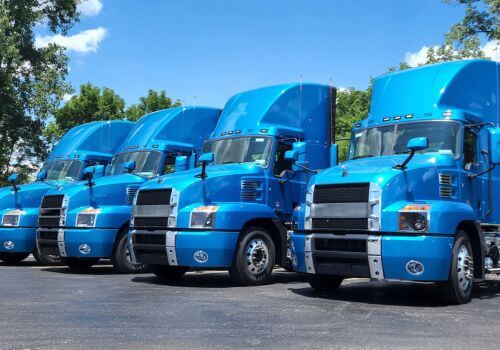
An asset-based transportation provider operates its own equipment and works directly with its drivers and operations teams. That creates a level of visibility and control that can be especially important when freight requires tight schedules or specialized handling.
At Logos Logistics, our transportation operations are built around that principle.
With dedicated trucking, regional and short-haul transportation, drayage capabilities, 24/7 dispatch support, and an experienced operations team, Logos works directly with customers to develop transportation solutions around their actual supply chain requirements.
For industries such as automotive, batteries, electronics, and tire logistics, that consistency becomes even more important. Specialized freight often requires more than simply finding an available truck — it requires an operation that understands the product, the schedule, and the customer’s expectations.
Preparing for What’s Next
No one can eliminate every disruption from a supply chain.
Weather changes. Demand shifts. Equipment breaks down. Ports become congested. Capacity tightens.
The goal is to build a transportation network capable of responding when those disruptions happen.
Current freight indicators suggest that excess capacity is gradually becoming less available, while carriers continue to deal with higher operating costs and tighter driver availability. Even LTL networks, which remain relatively stable, are beginning to show greater service variability as utilization increases.
For shippers planning for the remainder of 2026 and into 2027, transportation strategy should therefore be about more than finding the lowest rate.
It should be about finding reliable capacity, consistent service, experienced drivers, and a transportation partner that understands your operation.
Because when the freight market becomes unpredictable, consistency becomes a competitive advantage.
Logos Logistics provides asset-based transportation and logistics solutions designed to keep freight moving reliably. From dedicated transportation and regional trucking to drayage and specialized logistics programs, our team works with customers to build solutions around their supply chain.