Dedicated trucking is one of the most reliable and efficient transportation solutions for businesses that ship consistent freight volumes. Unlike spot freight or shared capacity shipping, dedicated trucking provides exclusive access to trucks, drivers, and routes tailored to a company’s specific logistics needs. This model has become increasingly popular among e-commerce brands, manufacturers, and retailers that need predictable transit times and better cost control. Whether you are scaling operations or improving supply chain performance, understanding how dedicated trucking works can help you make smarter transportation decisions. This ultimate guide explains everything from benefits and costs to when dedicated trucking makes the most sense.
What Is Dedicated Trucking?
Dedicated trucking is a transportation model where a carrier assigns specific trucks, drivers, and equipment exclusively to one customer. Instead of competing for truck availability on the spot market, businesses receive guaranteed capacity based on contract agreements. These arrangements often include fixed routes, scheduled pickups, and consistent delivery windows. This consistency helps companies maintain stable supply chains while reducing the uncertainty that often comes with traditional freight booking. Dedicated trucking programs are commonly used for regional distribution, retail replenishment, manufacturing supply chains, and e-commerce fulfillment operations that require dependable transportation performance.
How Dedicated Trucking Works
Dedicated trucking usually begins with a transportation analysis where a logistics provider evaluates shipment volume, routes, delivery frequency, and service requirements. Based on this information, the carrier designs a dedicated fleet solution that may include tractors, trailers, drivers, and route planning support. Once implemented, shipments move according to a planned schedule rather than being booked individually. Many providers also include technology such as GPS tracking, route optimization software, and performance reporting. This structure allows businesses to treat transportation as a predictable operational function rather than a reactive purchasing decision.
Key Benefits of Dedicated Trucking
The biggest advantage of dedicated trucking is reliability. Businesses gain guaranteed capacity, which reduces delays caused by truck shortages. Service consistency also improves customer satisfaction because deliveries arrive on schedule. Cost predictability is another major benefit since pricing is typically structured through long-term agreements rather than fluctuating market rates. Companies also benefit from operational efficiency, improved driver familiarity with routes, and better freight handling. Over time, these advantages can lead to fewer disruptions, improved inventory planning, and stronger overall supply chain performance.
Potential Drawbacks to Consider
While dedicated trucking offers many benefits, it may not be ideal for every business. Companies with inconsistent shipping volumes may struggle to fully utilize dedicated capacity, which could lead to higher effective costs. Contracts may also require minimum commitments that limit flexibility. In addition, businesses must work closely with providers to ensure performance expectations are met. For smaller companies or those with unpredictable demand, a hybrid approach that combines dedicated trucking with traditional freight options may provide a better balance between cost and flexibility.
Dedicated Trucking vs Contract Carriage
Dedicated trucking is often confused with contract carriage, but there are important differences. Contract carriage typically focuses on long-term pricing agreements without necessarily assigning specific trucks or drivers. Dedicated trucking, on the other hand, involves physical asset allocation to a single customer. This means equipment and personnel are committed to supporting one operation. The distinction matters because dedicated programs usually provide greater operational control, while contract freight focuses more on pricing stability and service agreements without exclusive resource allocation.
Industries That Use Dedicated Trucking
Many industries benefit from dedicated trucking because of its reliability and efficiency. Retail companies use it for store replenishment. Manufacturers rely on it for just-in-time inventory movements. Food and beverage companies often depend on dedicated refrigerated fleets for consistent deliveries. E-commerce companies also use dedicated trucking to support fulfillment centers and last-mile distribution hubs. Any business with predictable freight patterns can benefit from this model, especially when transportation reliability directly impacts customer satisfaction and operational performance.
How Pricing Works in Dedicated Trucking
Dedicated trucking pricing is typically structured around fixed monthly costs, mileage rates, driver wages, fuel, insurance, and administrative fees. Some agreements also include performance incentives or fuel surcharge adjustments. Although the upfront cost may appear higher than spot shipping, businesses often save money through improved efficiency, reduced delays, and better planning. Pricing transparency is one reason many companies transition to dedicated programs once their shipping volume becomes consistent enough to justify the investment.
Technology Used in Dedicated Trucking
Modern dedicated trucking programs rely heavily on transportation technology. Fleet management systems help monitor vehicle performance and maintenance schedules. GPS tracking allows real-time shipment visibility. Route optimization tools reduce fuel consumption and improve delivery times. Electronic logging devices help ensure regulatory compliance. Many providers also offer dashboards that allow customers to review delivery performance metrics. These technologies help companies maintain accountability while continuously improving transportation efficiency.
When Dedicated Trucking Makes Sense
Dedicated trucking makes sense when shipping volume is consistent, delivery schedules are predictable, and service reliability is critical. Companies experiencing frequent shipping delays or volatile freight pricing may benefit from switching to dedicated capacity. Businesses expanding distribution networks often adopt dedicated trucking to maintain service quality while scaling operations. If transportation is becoming a strategic function rather than just a cost center, dedicated trucking may provide the operational control needed to support long-term growth.
How to Choose the Right Dedicated Trucking Provider
Choosing the right provider requires evaluating experience, safety performance, technology capabilities, and customer service quality. Businesses should also review service level agreements, reporting capabilities, and flexibility options. A strong provider should be able to scale with your growth while maintaining consistent performance. Communication is also important. The best partnerships involve regular performance reviews and continuous improvement discussions. Taking time to select the right partner can determine the long-term success of a dedicated transportation strategy.
Conclusion
Dedicated trucking is a powerful logistics strategy for businesses that need reliability, cost stability, and operational control. While it requires consistent shipping volume and long-term planning, the benefits often outweigh the challenges for growing companies. With the right provider, dedicated trucking can improve delivery performance, strengthen customer satisfaction, and support scalable supply chain operations. As transportation continues to evolve, more businesses are viewing dedicated capacity as a competitive advantage rather than just a logistics option. Understanding how it works allows companies to decide whether this model fits their long-term transportation strategy.
Frequently Asked Questions
What is the difference between dedicated trucking and regular freight shipping?
Dedicated trucking provides exclusive trucks and drivers assigned to one customer, while regular freight shipping involves booking available trucks as needed. Dedicated transportation focuses on consistency and guaranteed capacity, while traditional freight focuses on flexibility. Companies with predictable shipping needs often choose dedicated trucking because it reduces delays and improves planning. Businesses with occasional shipments may find regular freight more cost-effective depending on their transportation requirements.
Is dedicated trucking more expensive?
Dedicated trucking may appear more expensive at first because it involves committed resources. However, many businesses find it cost-effective over time due to improved efficiency, fewer disruptions, and predictable pricing. The real value often comes from operational stability and better service performance. When shipping volumes are consistent, dedicated trucking can often deliver better long-term value than constantly booking freight on the open market.
Who should consider dedicated trucking?
Companies with consistent freight volumes, predictable delivery schedules, and a need for reliable transportation should consider dedicated trucking. This includes retailers, manufacturers, distributors, and e-commerce businesses. Organizations experiencing frequent freight delays or rising transportation costs may also benefit. The model works best when shipping demand is stable enough to justify assigning exclusive transportation resources.
Can small businesses use dedicated trucking?
Yes, but it depends on shipping volume. Small businesses with consistent regional distribution needs may benefit from smaller-scale dedicated programs. Some logistics providers also offer shared dedicated solutions where multiple companies share structured capacity. This allows smaller businesses to access reliable transportation without committing to a full fleet. Evaluating shipping frequency is the best starting point.
What types of equipment are used in dedicated trucking?
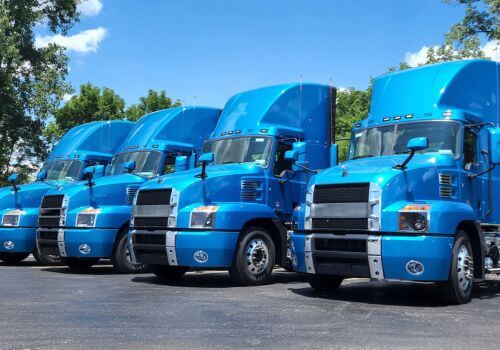
Dedicated trucking can involve many types of equipment depending on the cargo. This may include dry vans, refrigerated trailers, flatbeds, or specialized equipment. The fleet is usually customized based on the customer’s freight profile. Providers typically recommend equipment based on shipment type, distance, and delivery requirements to ensure efficiency and cargo protection.
How long are dedicated trucking contracts?
Most dedicated trucking contracts range from one to five years, depending on service complexity and fleet size. Longer agreements often provide better pricing stability. Contracts usually include performance expectations and review periods. Businesses should review flexibility terms before signing to ensure the agreement supports future growth or changing shipping needs.
Do dedicated trucking providers handle route planning?
Yes, most dedicated trucking providers manage route planning as part of the service. This includes optimizing delivery schedules, reducing empty miles, and improving transit efficiency. Advanced providers use route optimization software and performance data to continuously improve operations. This allows businesses to focus on core operations while transportation experts handle logistics planning.
Is technology included in dedicated trucking services?
Most dedicated trucking programs include technology tools such as shipment tracking, performance reporting, and route visibility platforms. These tools help businesses monitor delivery performance and identify improvement opportunities. Technology also improves communication between carriers and customers, making transportation management more transparent and predictable.
Can dedicated trucking improve delivery times?
Yes, dedicated trucking often improves delivery times because trucks follow consistent routes and schedules. Drivers become familiar with delivery locations and processes, which reduces delays. Guaranteed capacity also eliminates waiting for truck availability. These factors combine to create more reliable transit performance and improved customer delivery experiences.
How do you get started with dedicated trucking?
Getting started usually involves a transportation assessment with a logistics provider. This review analyzes shipping volume, lanes, service needs, and cost goals. Based on this information, the provider designs a dedicated solution. Companies should compare multiple providers and review performance capabilities before making a final decision to ensure the program aligns with their logistics strategy.