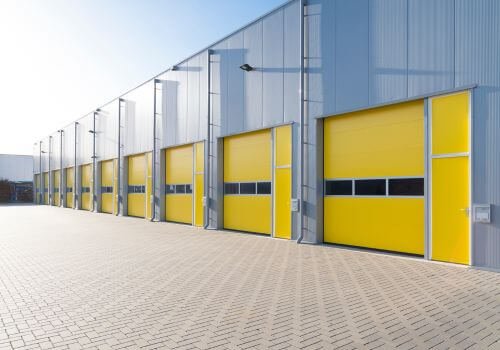
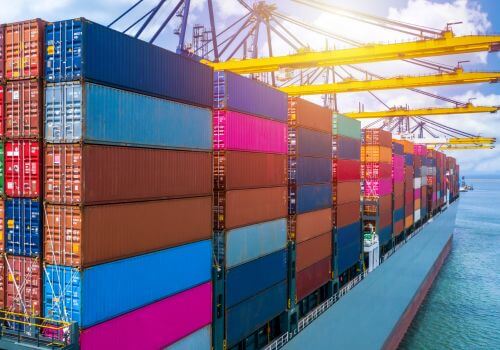
In logistics, every stage of the supply chain is important, but the very beginning, the first mile, often determines the success of everything that follows. First mile delivery refers to the initial stage of transportation where goods are moved from a manufacturer, supplier, farm, or production facility to a distribution hub, warehouse, or fulfillment center. It might not be as visible to customers as the last mile, but it plays a critical role in ensuring efficiency, cost-effectiveness, and overall customer satisfaction.
When the first mile is optimized, products move seamlessly through the supply chain, reducing delays, minimizing costs, and helping businesses stay competitive. On the other hand, poor first mile practices can cause disruptions that ripple across the entire logistics process, leading to stockouts, late deliveries, and unhappy customers.
In this guide, we’ll explore everything you need to know about first mile delivery: what it is, how it works, challenges involved, strategies for optimization, real-world examples, and answers to some of the commonly asked questions.
What is first mile delivery?
First mile delivery is the very first stage of logistics, where goods leave their point of origin and enter the broader transportation network. This can mean different things depending on the industry:
- For manufacturers, it involves shipping finished products from factories to warehouses.
- For farmers, it means transporting fresh produce to cold storage facilities or distributors.
- For importers and exporters, it often includes preparing goods for international freight and ensuring compliance with customs regulations.
No matter the industry, first mile delivery typically includes the following activities:
- Collection of goods: Gathering products from the supplier, farm, or production line.
- Packaging and labeling: Ensuring products are properly packed and labeled for safe transportation.
- Initial transportation: Moving goods from their origin to a central hub, warehouse, or port.
- Documentation and compliance: Handling invoices, customs paperwork, and legal requirements for domestic or international shipping.
- Handoff to logistics providers: Coordinating with freight forwarders, 3PL companies, or carriers to move goods to the next step in the supply chain.
Think of the first mile as the point where the supply chain truly begins. Without it, there would be nothing to store, ship, or deliver further down the line.
What are the roles of first mile delivery in the supply chain?
The supply chain is a sequence of connected processes that ensures goods move from raw materials to finished products in customers’ hands. The first mile is the foundation of this sequence. Just like the first step in a relay race sets the pace for the rest of the team, first mile delivery determines how efficient the rest of the logistics process can be.
Here are the main ways the first mile influences the supply chain:
Sets the pace of operations
If products leave late from the factory or farm, the entire chain is affected. Warehouses may experience stock shortages, retailers may face empty shelves, and last mile deliveries may fail to meet promised timelines.
Controls upstream costs
The first mile is often about bulk movement of goods. Inefficient route planning, underutilized vehicles, or poor load management increase costs that can cascade throughout the chain.
Supports inventory management
Timely and accurate first mile delivery ensures that warehouses and distribution centers have the right amount of inventory available at the right time. Without it, businesses face either overstocking or stockouts.
Affects product quality
For perishable or fragile items, the way goods are handled during the first mile has a direct impact on quality. Improper packaging or delays in moving perishable goods can result in spoilage or damage.
Indirectly shapes customer satisfaction
Even though end customers rarely see the first mile, they feel its effects. A well-run first mile means quicker restocking, fewer out-of-stock notices, and on-time delivery of their orders.
In short, the first mile is not just about moving goods; it’s about creating the conditions for every other stage in logistics to succeed.
First mile vs. last mile delivery
While first mile and last mile delivery are both essential, they serve very different purposes within logistics. Understanding the differences helps clarify why both need dedicated strategies.
| Aspect | First Mile Delivery | Last Mile Delivery |
|---|---|---|
|
Primary goal |
Move goods from origin to central hubs |
Deliver goods directly to customers |
|
Typical cargo |
Bulk shipments, pallets, containers |
Parcels, small packages, single orders |
|
Visibility |
Low (customers don’t notice it directly) |
High (customers interact with it directly) |
|
Impact on costs |
Drives upstream efficiency and inventory management |
Often the most expensive stage of delivery |
|
Stakeholders |
Manufacturers, suppliers, 3PL providers, freight carriers |
Couriers, local delivery companies, gig drivers |
The last mile is the “face” of logistics, but the first mile is the foundation. Without an efficient first mile, last mile delivery struggles to meet customer expectations.
Who are the key players in first mile delivery?
The first mile involves collaboration between multiple stakeholders. Each one plays a different role in ensuring goods move smoothly:
- Manufacturers and suppliers: They produce and prepare the goods. They must ensure products are packaged correctly, labeled properly, and ready for transportation.
- Freight forwarders: Especially important in international trade, freight forwarders handle the coordination of shipments, manage customs documentation, and arrange carriers.
- Third-party logistics providers (3PLs): 3PLs manage parts or all of the logistics process for companies. They bring expertise, scalability, and efficiency to first mile delivery.
- Carriers: These are the trucking companies, rail operators, airlines, and shipping lines that physically move goods from one point to another.
- Technology providers: Companies that offer software platforms for visibility, tracking, and route optimization. Their tools give businesses better control and insights into first mile operations.
When these stakeholders collaborate effectively, first mile delivery becomes more predictable, efficient, and cost-effective.
What are some common challenges in first mile delivery?
Although first mile delivery forms the foundation of the supply chain, it’s also one of the most difficult stages to manage. Because this stage involves multiple stakeholders, long distances, and often international regulations, businesses frequently run into obstacles that affect costs, speed, and reliability. Below are some of the most common challenges companies face during first mile operations:
Limited visibility and tracking
One of the biggest pain points in first mile delivery is the lack of real-time visibility once goods leave the production site or supplier. Many businesses rely on outdated methods such as manual updates or phone calls to track shipments, which often creates blind spots. Without accurate data on where products are, companies struggle with inventory planning, forecasting, and proactive problem-solving.
Documentation and compliance errors
The first mile often requires extensive paperwork, such as bills of lading, invoices, customs forms, certificates of origin, and compliance documents. A single error, missing signature, or misfiled document can cause major delays at checkpoints or ports. In international logistics, these issues can escalate into fines, shipment holds, or even rejection of goods.
Transportation bottlenecks
Poor route planning, road congestion, underutilized truckloads, and carrier shortages often slow down transportation. Seasonal peaks, such as holidays or harvest seasons, create additional pressure, making it difficult for businesses to secure reliable capacity.
Packaging and handling issues
Products are often shipped in bulk during the first mile, which increases the risk of damage if packaging is inadequate. Fragile goods, perishable items, or hazardous materials require specific packaging standards. When these are overlooked, businesses face higher costs due to product losses, returns, or safety violations.
Rising costs
The first mile is cost-intensive. Rising fuel prices, driver shortages, and inefficient load utilization all contribute to higher expenses. For many businesses, first mile costs are hidden within overall logistics spending, making it harder to control and optimize.
Coordination and communication breakdowns
Because so many players are involved, from suppliers and freight forwarders to carriers and warehouse staff, communication gaps are common. Misalignment about shipment schedules, documentation, or capacity can lead to costly delays and confusion.
In short, the first mile is vulnerable to inefficiencies because it requires careful coordination of physical movement, compliance, and communication. Addressing these challenges is critical for a smooth supply chain.
7 strategies to optimize first mile delivery
Improving first mile delivery requires more than just moving goods quickly. It’s about creating systems that maximize efficiency, reduce risks, and improve visibility. Companies that invest in optimizing the first mile often see significant benefits in reduced costs, fewer delays, and higher customer satisfaction.
Here are proven strategies to strengthen first mile logistics:
1. Leverage technology for end-to-end visibility
Adopting GPS tracking, IoT sensors, and supply chain management platforms provides real-time updates on shipments. This visibility allows businesses to monitor location, temperature (for perishables), and handling conditions, making it easier to detect issues before they escalate.
2. Optimize load planning and route management
Load optimization software ensures that trucks, containers, or railcars are filled to capacity, reducing wasted space. Pairing this with route optimization tools minimizes fuel costs, avoids traffic congestion, and shortens delivery times.
3. Standardize packaging and labeling practices
Implementing uniform packaging and labeling standards prevents errors during handling and reduces damage. For international shipments, standardized labeling also helps meet customs requirements, speeding up inspections and clearance.
4. Strengthen supplier relationships
Open and frequent communication with suppliers creates smoother handoffs. Building partnerships based on trust and accountability ensures goods are ready for pickup on time, reducing delays at the origin.
5. Use data-driven decision making
Analyzing transportation data reveals inefficiencies in scheduling, load utilization, and carrier performance. Over time, this data-driven approach helps businesses forecast demand, anticipate bottlenecks, and allocate resources more efficiently.
6. Partner with reliable 3PL providers
Third-party logistics companies bring specialized expertise and resources to manage first mile operations at scale. A trusted 3PL can provide technology platforms, transportation networks, and compliance support that many businesses cannot achieve on their own.
7. Digitize documentation and compliance
Switching from manual paperwork to digital documentation reduces human error, accelerates customs clearance, and improves compliance with international trade laws. This approach also allows faster sharing of information across stakeholders.
By combining technology, data, and strong partnerships, businesses can transform the first mile from a common source of inefficiency into a powerful driver of supply chain success.
Real-world examples of first mile delivery
To understand the importance of the first mile, it helps to see how different industries rely on it. While each sector faces unique challenges, the need for efficiency, speed, and accuracy is universal.
E-commerce giants
Companies like Amazon, Alibaba, and Walmart rely heavily on first mile logistics. Goods produced by manufacturers must be moved rapidly to fulfillment centers across multiple countries. Amazon, for example, has built a global network of suppliers, freight forwarders, and logistics providers to ensure products arrive at warehouses on time. A delay at the first mile stage could create backlogs that disrupt millions of customer deliveries.
Agriculture and fresh food supply chains
For farmers and food producers, the first mile is critical to maintaining freshness and quality. Fresh produce, dairy, seafood, and meat must be transported quickly from farms to cold storage facilities or processing plants. Even short delays can result in spoilage, making efficient first mile operations essential for food safety and profitability. Cold chain logistics, specialized temperature-controlled systems, are often employed to ensure products remain fresh from farm to distribution.
Global manufacturing and assembly
Industries such as automotive, electronics, and pharmaceuticals depend on precise first mile logistics to keep production lines running. Automakers, for instance, source parts from multiple suppliers around the world. If even one critical component is delayed in the first mile, the entire assembly line can grind to a halt, costing millions in lost productivity.
Retail and fashion industry
Fast fashion retailers rely on smooth first mile delivery to keep up with rapidly changing consumer trends. Products must move quickly from factories in Asia to distribution hubs in North America and Europe. Any inefficiency in the first mile delays the flow of new products into stores and online channels, reducing competitiveness.
These examples demonstrate how the first mile plays a pivotal role across industries. Whether it’s delivering fresh strawberries, semiconductor chips, or the latest sneakers, efficient first mile operations ensure that businesses stay competitive and customers remain satisfied.
Frequently asked questions about first mile delivery
Q1: What industries rely most on first mile delivery?
Industries such as ecommerce, retail, pharmaceuticals, automotive, and food & beverage depend heavily on first mile delivery. These sectors require efficient movement of goods from suppliers to warehouses to keep supply chains running smoothly.
Q2: How does first mile delivery differ from last mile delivery?
First mile delivery focuses on transporting goods from manufacturers or suppliers to distribution centers or warehouses, while last mile delivery covers the final leg of the journey from a warehouse to the customer’s doorstep.
Q3: Can technology reduce costs in first mile delivery?
Yes. Route optimization software, real-time tracking systems, and automation in loading/unloading processes help minimize delays, reduce fuel costs, and improve resource allocation.
Q4: Is outsourcing first mile delivery a good option?
For many companies, outsourcing to a 3PL provider is cost-effective. It allows businesses to leverage established logistics networks, specialized expertise, and scalable resources without managing fleets and operations directly.
Q5: How does poor first mile delivery affect customer satisfaction?
While customers don’t directly see first mile operations, inefficiencies can cause inventory shortages, delays in fulfillment, and ultimately late deliveries leading to dissatisfaction and potential loss of customer trust.
In summary, First Mile Delivery in logistics refers to the initial stage of the supply chain where goods are transported from the manufacturer or supplier to a distribution center, warehouse, or fulfillment hub for further processing and delivery.