In logistics, time is one of the most valuable resources. Whether you are managing a warehouse, running an e-commerce business, or coordinating transportation, delays can quickly increase costs and reduce efficiency. One important metric that often determines how smoothly your operations run is dwell time. While it may sound like a technical term, dwell time simply refers to how long goods, trucks, or containers remain idle at a location before moving to the next step in the supply chain.
Understanding dwell time can help you identify bottlenecks, improve warehouse flow, reduce transportation costs, and increase customer satisfaction. For businesses that depend on fast fulfillment and reliable shipping, reducing unnecessary dwell time can create a strong competitive advantage. In this guide, you will learn what dwell time means, why it matters, what causes it, how to measure it, and, most importantly, how you can reduce it to improve logistics performance.
What Is Dwell Time in Logistics?
Dwell time in logistics refers to the amount of time that cargo, containers, trailers, or vehicles remain stationary at a warehouse, port, distribution center, or yard before being processed or moved. This could include the time a truck waits to be unloaded, how long a container sits at a port before pickup, or how long inventory remains in staging areas before being stored or shipped.
For example, if a delivery truck arrives at a warehouse at 9:00 AM but does not leave until 1:00 PM due to unloading delays, paperwork processing, or dock congestion, the dwell time would be four hours. Ideally, logistics operations aim to minimize this idle time because it represents inefficiency and often leads to additional operational costs.
Dwell time is closely related to other logistics performance indicators such as turnaround time, lead time, and cycle time. While these metrics measure overall operational speed, dwell time specifically focuses on delays caused by inactivity between processes.
Why Dwell Time Matters in Logistics Operations
Dwell time matters because it directly affects cost, productivity, and service quality. When goods or vehicles remain idle longer than necessary, companies often face increased labor costs, equipment underutilization, detention fees, and missed delivery deadlines. Even small delays can multiply across the supply chain and create serious operational challenges.
Reducing dwell time allows logistics teams to increase throughput without necessarily adding more space or labor. Faster processing times also improve carrier relationships because drivers spend less time waiting. This can make your warehouse or fulfillment center a preferred partner among transportation providers.
From a customer perspective, lower dwell time can translate into faster order processing and delivery. In e-commerce, especially where customers expect quick shipping, optimizing dwell time can directly improve customer satisfaction and retention.
Common Types of Dwell Time
Dwell time can occur in several parts of the supply chain. Understanding where it happens helps you identify where improvements are needed.
Truck Dwell Time
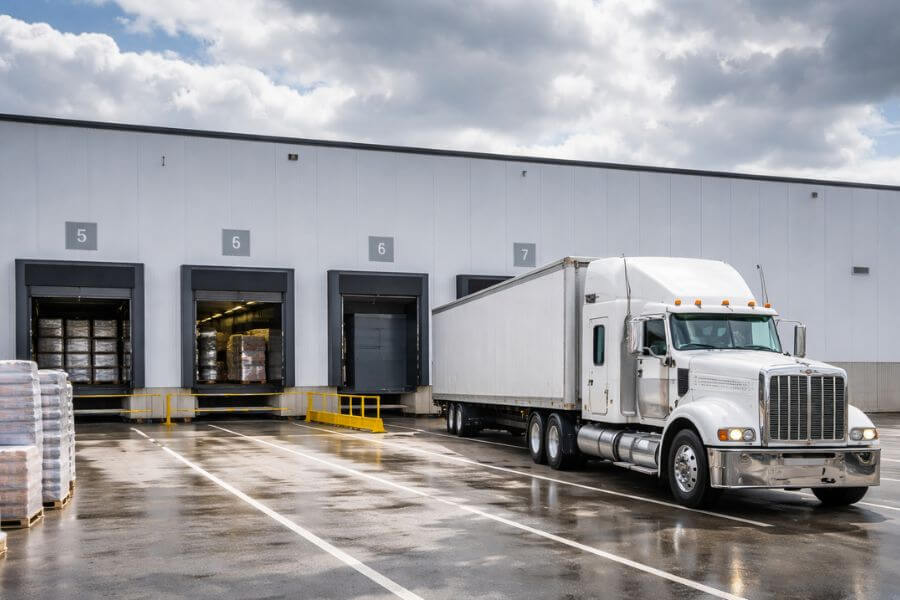
This refers to how long trucks remain at a facility from arrival to departure. It often includes check-in time, waiting for dock availability, loading or unloading activities, and paperwork processing. Long truck dwell times often indicate scheduling problems or insufficient dock capacity.
Container Dwell Time
Container dwell time usually occurs at ports or rail terminals. It measures how long containers remain at the facility before being picked up or moved. Excessive container dwell time can lead to storage charges and delays in inventory availability.
Inventory Dwell Time
This refers to how long products remain in certain warehouse zones, such as receiving, staging, or quality inspection areas, before moving to storage or shipping. Long inventory dwell time may indicate process inefficiencies or poor inventory flow planning.
Yard Dwell Time
Yard dwell time measures how long trailers or containers remain in a yard before being assigned to a dock. Poor yard management often increases this type of dwell time and can lead to congestion.
Main Causes of High Dwell Time
Several operational issues can cause excessive dwell time. Identifying these causes is the first step toward improving efficiency.
Poor Scheduling Practices
When appointments are not properly scheduled, too many trucks may arrive at the same time. This creates congestion at loading docks and increases waiting times. Without proper scheduling systems, facilities often struggle to balance incoming and outgoing shipments.
Limited Dock Availability
If a warehouse does not have enough dock doors or if docks are poorly allocated, trucks may have to wait longer. Inefficient dock assignment processes can also contribute to unnecessary delays.
Manual Processes and Paperwork Delays
Facilities that rely heavily on manual documentation often experience slower processing times. Waiting for approvals, checking documents, or correcting errors can significantly increase dwell time.
Labor Shortages
If there are not enough workers available to unload shipments or process orders, goods may remain idle longer than planned. Workforce planning is therefore an important factor in managing dwell time.
Inefficient Warehouse Layout
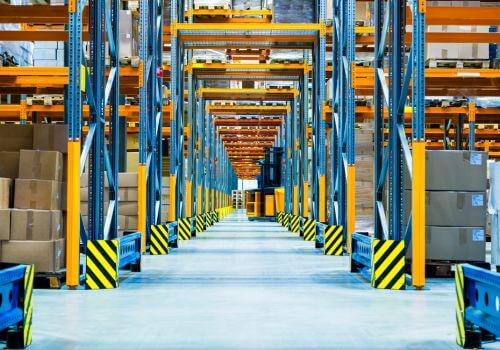
A poorly designed warehouse layout can slow down the movement of goods. If staging areas are too small or storage locations are not optimized, products may remain in temporary locations longer than necessary.
Lack of Real-Time Visibility
Without real-time tracking systems, managers may not know where delays are occurring. Lack of visibility makes it difficult to respond quickly to bottlenecks.
How to Measure Dwell Time
Measuring dwell time requires accurate tracking of arrival and departure times. Many companies use transportation management systems, warehouse management systems, or yard management software to capture these timestamps automatically.
A basic dwell time calculation follows this simple approach:
Dwell Time = Departure Time minus Arrival Time
Companies often track average dwell time, peak dwell time, and dwell time by carrier or product type. These insights help identify patterns and recurring delays.
Modern facilities may also use GPS tracking, RFID systems, or gate management software to monitor dwell time more accurately. These tools help eliminate guesswork and provide actionable data.
Industry Benchmarks for Dwell Time
Acceptable dwell time varies depending on the type of operation. For example, cross-docking facilities typically aim for very short dwell times because goods move quickly from receiving to shipping. Traditional warehouses may have slightly longer acceptable dwell times due to storage processes.
Many facilities aim to keep truck dwell time under two hours. Longer durations may result in detention charges from carriers. However, benchmarks vary by industry, shipment size, and operational complexity.
The key is not just comparing with industry averages but consistently improving your own performance over time. Continuous improvement often matters more than hitting a universal benchmark.
The Cost Impact of Excessive Dwell Time
High dwell time can lead to several direct and indirect costs. One major cost is detention fees charged by carriers when trucks are delayed beyond the agreed free time. These costs can quickly add up, especially for high-volume operations.
There are also hidden costs such as reduced labor productivity, lower equipment utilization, and missed shipping deadlines. Delays may also affect inventory availability, which can lead to stockouts or backorders.
Another important consideration is relationship costs. Carriers may become reluctant to work with facilities known for long wait times. This can limit transportation options and increase freight rates over time.
Strategies to Reduce Dwell Time
Reducing dwell time requires a combination of process improvements, technology adoption, and better coordination between teams. Below are some effective strategies.
Implement Appointment Scheduling Systems
Scheduling systems help distribute arrivals throughout the day instead of creating congestion during peak hours. Appointment management tools allow carriers to reserve time slots, which improves planning and reduces waiting times.
Improve Dock Management
Assigning docks based on shipment type, size, or priority can speed up loading and unloading. Clear dock workflows also help reduce confusion and idle time.
Automate Documentation
Digital documentation reduces paperwork delays and errors. Electronic proof of delivery, digital bills of lading, and automated check-in processes can significantly shorten processing times.
Enhance Warehouse Layout Design
Optimizing warehouse layout improves product flow. Placing fast-moving products closer to shipping areas and designing efficient staging zones can reduce unnecessary movement and waiting.
Use Real-Time Tracking Technology
Real-time dashboards allow managers to monitor operations and quickly respond to delays. Visibility tools help identify where goods are waiting and why.
Strengthen Communication With Carriers
Clear communication about arrival times, documentation requirements, and facility procedures helps reduce confusion. Providing carriers with instructions before arrival can improve processing speed.
The Role of Technology in Managing Dwell Time
Technology plays a major role in reducing dwell time. Warehouse management systems help streamline inventory movement, while transportation management systems improve scheduling and routing.
Yard management systems provide visibility into trailer locations and dock assignments. Automation tools such as barcode scanning and voice picking can also improve operational speed.
Data analytics tools are increasingly used to identify dwell time patterns. By analyzing historical data, companies can predict peak congestion periods and proactively adjust staffing or scheduling.
Dwell Time vs Lead Time vs Cycle Time
These terms are sometimes confused, but they measure different aspects of logistics performance. Dwell time measures idle time between activities. Lead time measures the total time from order placement to delivery. Cycle time measures how long it takes to complete a specific process.
Understanding these differences helps logistics managers focus on the right improvements. Reducing dwell time often improves both cycle time and lead time because fewer delays occur between steps.
Best Practices for Long-Term Dwell Time Reduction
Long-term improvements require consistent monitoring and process refinement. One best practice is setting dwell time targets and reviewing performance regularly. Continuous monitoring helps prevent small delays from becoming long-term issues.
Another best practice is conducting process audits. Reviewing workflows can reveal unnecessary steps that increase waiting time. Removing redundant processes can significantly improve efficiency.
Training staff is also essential. When employees understand how their work affects overall flow, they are more likely to prioritize efficiency. Cross-training workers can also improve flexibility during busy periods.
Collaboration between departments is equally important. Receiving, warehousing, and shipping teams must coordinate closely to maintain smooth product flow.
How Dwell Time Affects E-commerce Fulfillment
For e-commerce businesses, dwell time directly affects order processing speed. When inventory sits too long in receiving or staging areas, orders may not be fulfilled quickly. This can lead to delayed shipments and poor customer experiences.
Fulfillment providers often focus heavily on reducing dwell time to maintain fast shipping promises. Efficient inbound processing ensures inventory becomes available for sale faster. Efficient outbound processing ensures orders leave the warehouse quickly.
As e-commerce continues to grow, dwell time management is becoming even more important. Customers expect faster delivery than ever before, and reducing operational delays is one of the most effective ways to meet these expectations.
Conclusion
Dwell time is one of the most important yet often overlooked performance indicators in logistics. It represents the hidden delays that reduce efficiency, increase costs, and slow down the movement of goods. By understanding what dwell time is and how it affects operations, you can identify opportunities to improve warehouse flow, strengthen carrier relationships, and improve delivery performance.
The good news is that dwell time is highly manageable. With better scheduling, improved communication, smarter warehouse design, and the right technology, companies can significantly reduce unnecessary delays. Even small improvements can produce meaningful gains in productivity and cost savings. By making dwell time management part of your continuous improvement strategy, you can build a faster, more efficient, and more reliable logistics operation.
Frequently Asked Questions
What is a good dwell time in logistics?
A good dwell time depends on the type of operation, but many warehouses aim to keep truck dwell time under two hours. Faster operations, such as cross-docking, may target much shorter times. The most important goal is continuous improvement and reducing unnecessary waiting wherever possible.
What is the difference between dwell time and detention time?
Dwell time measures how long a vehicle or shipment remains at a facility. Detention time refers to the portion of that time that exceeds the agreed free waiting period and may result in additional charges. In simple terms, detention is a cost consequence of excessive dwell time.
How can warehouses reduce truck dwell time?
Warehouses can reduce dwell time by implementing appointment scheduling, improving dock management, automating paperwork, optimizing layouts, and using real-time tracking tools. Clear communication with carriers and proper staffing also play important roles in reducing delays.
Why do carriers care about dwell time?
Carriers want to minimize dwell time because long waits reduce driver productivity and limit how many deliveries they can complete. Facilities with long delays may become less attractive partners. Reducing dwell time helps maintain strong transportation relationships and better service reliability.
How does dwell time affect supply chain efficiency?
Excessive dwell time slows down inventory movement and reduces operational efficiency. It can cause delays in order fulfillment, increase costs, and reduce service levels. Managing dwell time effectively helps keep goods flowing smoothly and improves overall supply chain performance.