In global logistics, risk is unavoidable. Cargo moves across oceans, skies, highways, and rail networks, exposed to damage, theft, delays, and unforeseen accidents. That’s where an insurance certificate becomes essential. Whether you’re an e-commerce seller, exporter, freight forwarder, or logistics manager, understanding this document can protect your shipments and your bottom line.
Let’s break down everything you need to know about insurance certificates in a clear, practical way.
What is an Insurance Certificate?
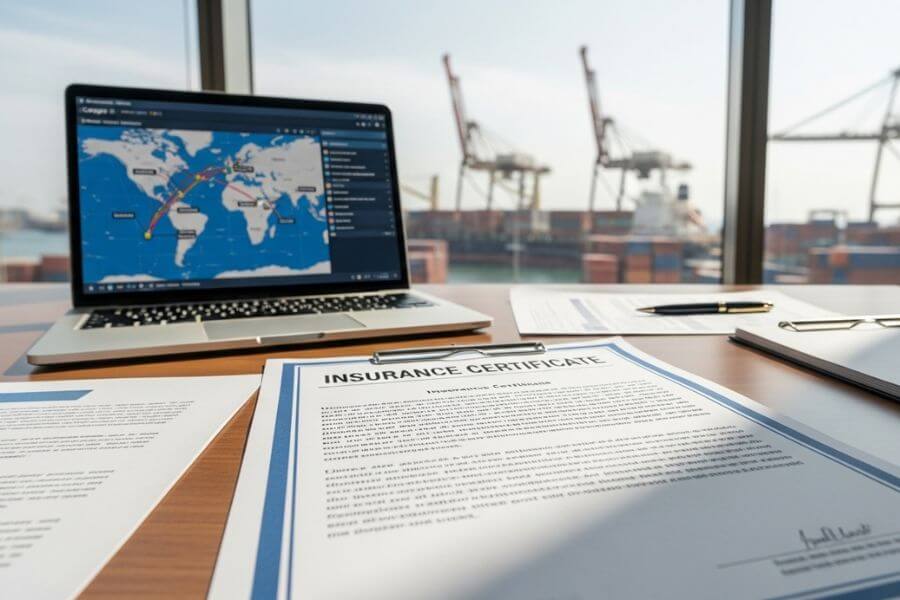
An Insurance Certificate, often referred to as a Certificate of Insurance (COI), is an official document issued by an insurance company or broker that proves active insurance coverage for specific cargo or operations.
It’s important to understand that a certificate is not the full insurance policy. Instead, it summarizes key information from the policy without changing its terms. Think of it as proof of protection. It confirms that your goods are covered while in transit by sea, air, road, or rail.
In international trade, this document is frequently required by:
- Banks (especially for letters of credit)
- Customs authorities
- Freight forwarders
- Buyers and sellers
- Logistics partners
Without it, shipments may face delays, rejected documentation, or even legal issues in certain countries.
Why Insurance Certificates are Crucial in Logistics
Logistics involves multiple risk points. Cargo can be damaged during loading, lost at sea, stolen in transit, or delayed due to unforeseen events. An insurance certificate provides financial protection against these risks.
Financial Security
If cargo is lost or damaged, the certificate confirms that compensation can be claimed. Without coverage, the financial loss falls entirely on the shipper or cargo owner.
Required Under Incoterms
Under international trade terms like CIF (Cost, Insurance, and Freight) and CIP (Carriage and Insurance Paid To), the seller is obligated to provide insurance. In these cases, issuing an insurance certificate is not optional; it’s mandatory.
Trade Financing & Letters of Credit
Banks often require an insurance certificate when processing letters of credit (LCs). If documentation is incomplete, payment may be delayed or denied.
Faster Customs Clearance
Many countries require proof of cargo insurance before clearing goods. Having a valid certificate streamlines customs procedures and prevents unnecessary delays.
Trust Between Trading Partners
Providing an insurance certificate builds credibility. It reassures buyers, importers, and partners that shipments are protected.
Key Components of an Insurance Certificate
An insurance certificate contains several important elements. Each one plays a role in claims, verification, and compliance.
Policy Number & Insurer Information
This includes the unique policy identification number and the insurance company’s details. It allows stakeholders to verify authenticity.
Insured Parties
Lists the shipper, consignee, cargo owner, or other relevant stakeholders covered under the policy.
Description of Goods
Specifies the type of goods, quantity, shipment value, and transport details. Accuracy here is critical for claims approval.
Coverage Details
Includes coverage limits, insured perils (such as “all-risk”), and exclusions. This determines what losses are compensable.
Validity Period
Clearly states the start and expiration dates of coverage.
Authorized Signatures
Official signatures or digital verification from the insurer confirm the certificate’s legitimacy.
When these elements are complete and accurate, they ensure clarity during claims and compliance checks.
How to Obtain an Insurance Certificate
Getting an insurance certificate is straightforward if you follow the right process.
Step 1: Contact an Insurer or Broker
Work with a cargo insurance provider experienced in logistics and international trade.
Step 2: Provide Shipment Details
You’ll need to share:
- Cargo value
- Type of goods
- Shipping route
- Mode of transport
- Incoterms used
Step 3: Activate Coverage
Once the policy is confirmed and the premium paid, the insurer issues the certificate.
How Much Does It Cost?
Premiums typically range from 0.1% to 1% of the cargo value, depending on:
- Risk level of goods
- Shipping route
- Political or environmental risks
- Claims history
For high-volume e-commerce businesses or frequent shippers, digital platforms and freight forwarders may offer streamlined insurance issuance as part of ongoing coverage programs.
The Claims Process Explained
If cargo is damaged or lost, acting quickly is essential.
Here’s how the process typically works:
- Notify the insurer immediately.
- Submit the original insurance certificate.
- Provide supporting documents such as:
- Bill of lading
- Commercial invoice
- Survey or inspection report
- Photos of damage
The insurer will investigate the claim, assess the loss, and determine compensation based on policy terms. Valid claims are often settled within a few weeks, though complex cases may take longer.
Proper documentation and accurate certificate details significantly speed up claim resolution.
Common Pitfalls to Avoid
Even with insurance in place, mistakes can cause denied claims or financial loss.
- Mismatched Goods Description: If the goods listed on the certificate don’t match shipping documents, the insurer may reject the claim.
- Expired Coverage: Transit delays can push shipments beyond the validity period, creating coverage gaps.
- Insufficient Coverage Limits: If the cargo value exceeds policy limits, you may not recover the full loss.
- Forged or Invalid Certificates: Always verify insurer signatures and authenticity. Fraudulent documents can invalidate protection entirely.
Attention to detail prevents costly mistakes.
Why Insurance Certificates Matter More in E-commerce Logistics
With cross-border e-commerce growing rapidly, shipment volumes are increasing, and so are risks. Businesses shipping internationally need efficient, scalable insurance solutions.
Integrating insurance certificates into digital logistics workflows helps:
- Reduce manual paperwork
- Speed up customs processing
- Improve compliance
- Protect revenue margins
For e-commerce brands operating globally, insurance certificates are no longer optional; they are a core risk management tool.
Conclusion
An insurance certificate may seem like a simple document, but it plays a powerful role in global logistics. It protects cargo, satisfies trade requirements, enables financing, and strengthens business relationships.
Whether you’re shipping occasionally or managing high-volume international e-commerce operations, understanding and properly managing insurance certificates can save you from significant financial exposure.
In logistics, preparation is protection, and an insurance certificate is one of the smartest safeguards you can put in place.