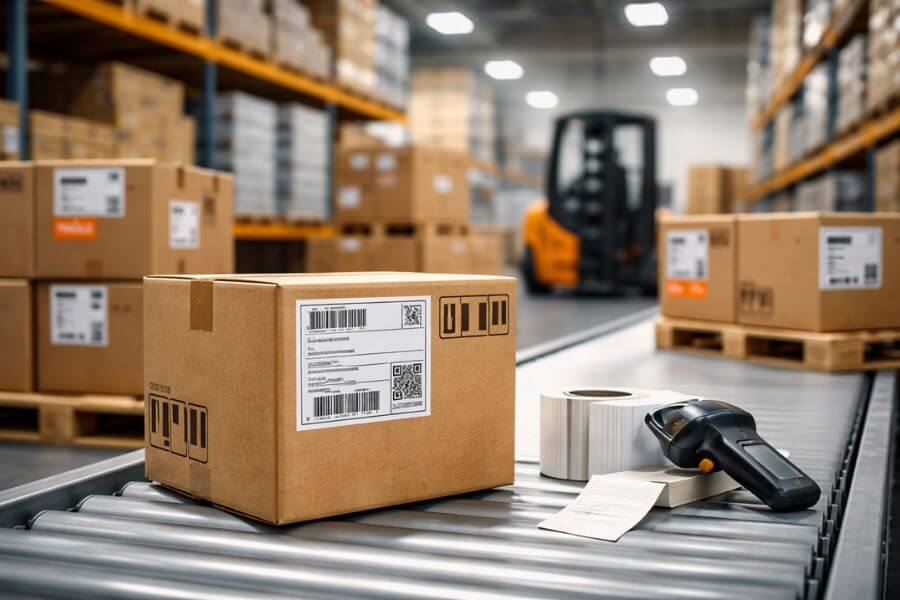
Labeling is one of the most important yet often overlooked parts of logistics. Whether you are shipping products across the country or managing global e-commerce fulfillment, proper labeling ensures packages move smoothly through the supply chain. Without clear and accurate labels, shipments can be delayed, misrouted, or even lost. For e-commerce businesses, this can lead to unhappy customers, higher costs, and operational problems.
If you run an online store, manage a warehouse, or work with a fulfillment provider, understanding logistics labeling can help you avoid costly mistakes. From shipping labels and barcode systems to compliance labels and handling instructions, each label serves a specific purpose. In this guide, you will learn how logistics labeling works, why it matters, what types of labels exist, and how to create an effective labeling strategy that improves accuracy and efficiency.
What Is Labeling in Logistics?
Labeling in logistics refers to the process of attaching identification and instruction information to packages, pallets, cartons, and individual products. These labels help carriers, warehouses, and fulfillment teams understand what a shipment contains, where it is going, how it should be handled, and how it should be tracked. Labels act as the communication bridge between different parts of the supply chain.
A logistics label typically contains essential information such as the destination address, return address, tracking number, barcode, product details, and handling instructions. In modern logistics, labels are often scanned at multiple checkpoints to provide real-time tracking updates. This allows businesses to monitor shipments and quickly identify problems if delays occur.
Why Labeling Is Important in Logistics
Labeling plays a critical role in keeping logistics operations organized and efficient. A properly labeled shipment moves faster through sorting facilities and warehouses because the information is easy to read and scan. This reduces manual errors and helps automate many processes.
Accurate labeling also improves customer satisfaction. When shipments are clearly labeled, they are less likely to be delayed or delivered to the wrong address. It also helps with returns management because clear labels make it easier to identify products and process them quickly. In industries with strict regulations, such as food, cosmetics, or electronics, proper labeling also ensures compliance with shipping and safety requirements.
Types of Labels Used in Logistics
There are many types of labels used in logistics, depending on the purpose of the shipment and the industry. Understanding the most common types can help businesses choose the right labeling system.
Shipping Labels
Shipping labels are the most common logistics labels. These labels include the delivery address, return address, tracking barcode, and carrier information. Shipping labels are essential because they guide packages through carrier networks and sorting facilities. Without them, packages cannot be processed correctly.
Barcode Labels
Barcode labels allow warehouses and carriers to scan packages quickly. These labels store digital information such as product numbers, shipment IDs, or order numbers. Barcode scanning reduces human error and speeds up operations because workers do not need to manually enter information.
Handling Labels
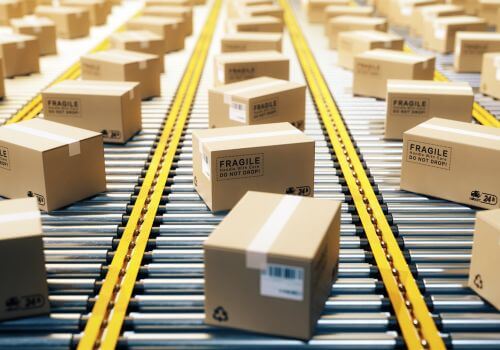
Handling labels provide instructions on how packages should be treated during transportation. Common examples include labels that say fragile, this side up, or handle with care. These labels help prevent damage during shipping and ensure products arrive safely.
Compliance Labels
Compliance labels are required for certain products to meet legal or safety standards. For example, hazardous materials require warning labels, while international shipments may require country-of-origin labels. Compliance labels help businesses avoid fines and shipping delays.
Inventory Labels
Inventory labels are used inside warehouses to track products. These labels often include SKU numbers, bin locations, and product descriptions. They help warehouse staff locate items quickly and maintain accurate stock counts.
Pallet Labels
Pallet labels are used for bulk shipments. These labels provide information about the contents of the pallet, shipment numbers, and handling instructions. They help warehouse teams manage large shipments efficiently.
Key Information Found on Logistics Labels
A well-designed logistics label should contain all the necessary information to ensure smooth handling. While the exact details may vary depending on the shipment type, most labels include several standard elements.
The sender and recipient addresses are essential because they determine the shipment route. Tracking numbers allow businesses and customers to monitor shipment progress. Barcodes enable automated scanning. Product descriptions help identify the contents. Handling instructions reduce the risk of damage. Together, these elements ensure packages move efficiently through the supply chain.
How Barcode Technology Improves Logistics Labeling
Barcode technology has transformed logistics labeling by improving speed and accuracy. Instead of relying on handwritten notes or manual entry, logistics providers use barcode scanners to instantly access shipment data. This reduces errors and improves productivity.
There are several types of barcodes used in logistics. One-dimensional barcodes are common for basic tracking, while two-dimensional codes, such as QR codes, can store more information. Many companies also use GS1 standards to ensure their barcodes are compatible with global supply chains.
By implementing barcode labeling systems, businesses can improve inventory management, reduce picking errors, and provide better shipment visibility. This is especially important for e-commerce companies that process large volumes of orders daily.
The Role of Labeling in Warehouse Operations
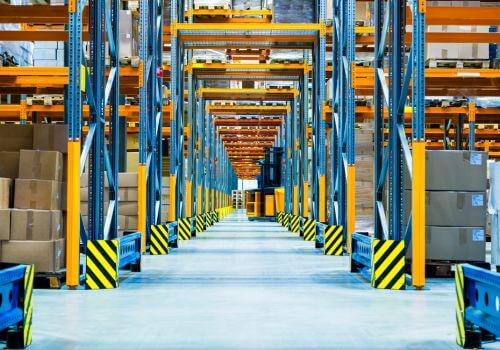
Labeling is essential for warehouse organization. Without clear labels, it becomes difficult to track inventory, locate products, and fulfill orders efficiently. Labels help define storage locations, identify products, and support picking processes.
Many warehouses use location labels to identify aisles, shelves, and bins. Product labels help workers confirm they have picked the correct items. Shipping labels ensure orders are sent to the right destinations. Together, these labeling systems create a structured workflow that improves accuracy and reduces delays.
International Shipping and Labeling Requirements
International logistics involves additional labeling requirements compared to domestic shipping. Customs authorities require specific information to process shipments. Missing or incorrect labels can cause delays or rejected shipments.
International shipments often require commercial invoices, country of origin labels, harmonized system codes, and product descriptions. Some countries also require language-specific labels or special compliance markings. Businesses that ship internationally must understand these requirements to avoid complications.
Working with experienced logistics partners can help ensure international labeling requirements are met. Many fulfillment providers offer automated systems that generate compliant labels based on destination requirements.
Common Labeling Mistakes in Logistics
Even small labeling mistakes can cause major problems in logistics. Understanding common errors can help businesses avoid them.
One common mistake is using unclear or damaged labels. If a barcode cannot be scanned or an address cannot be read, shipments may be delayed. Another issue is placing labels in the wrong location on the package. Labels should always be placed on flat, visible surfaces.
Using outdated information is another frequent problem. Businesses should always verify addresses and product details before printing labels. Finally, failing to include required compliance information can result in shipping delays or penalties.
Best Practices for Effective Logistics Labeling
Following best practices can significantly improve labeling effectiveness. Businesses should use high-quality printers and durable label materials to ensure readability. Labels should be placed consistently to make scanning easier.
Standardizing label formats is also helpful. Using consistent layouts makes it easier for warehouse teams and carriers to find information quickly. Automation tools can further improve labeling accuracy by generating labels directly from order management systems.
Regular training for warehouse staff is also important. Employees should understand how to print, apply, and verify labels correctly. This reduces mistakes and improves operational efficiency.
The Importance of Label Materials and Durability
The quality of label materials can affect logistics performance. Labels must withstand handling, temperature changes, and transportation conditions. Poor-quality labels may peel off or fade, making them unreadable.
Businesses should choose label materials based on shipping conditions. For example, waterproof labels are useful for shipments exposed to moisture. Thermal labels are common for high-volume shipping because they are cost-effective and easy to print. Durable adhesives also help labels remain attached throughout the shipping process.
How Automation Is Changing Logistics Labeling
Automation is transforming logistics labeling by reducing manual work and improving accuracy. Modern warehouse systems can automatically generate labels when orders are processed. This ensures consistent information and reduces human error.
Automated labeling systems can also integrate with warehouse management systems and transportation management platforms. This allows businesses to track shipments from order creation to delivery. Automation also supports real-time updates and improves scalability for growing e-commerce businesses.
Sustainability Considerations in Logistics Labeling
As sustainability becomes more important, many companies are looking at ways to make labeling more environmentally friendly. This includes using recyclable label materials, reducing excess packaging, and choosing eco-friendly adhesives.
Some companies are also exploring digital labeling solutions to reduce paper usage. While physical labels are still necessary, improved efficiency can reduce waste. Choosing the right label size and avoiding unnecessary reprints can also support sustainability goals.
How Technology Is Shaping the Future of Logistics Labeling
Technology continues to shape the future of logistics labeling. Smart labels with RFID technology allow shipments to be tracked without direct scanning. This can improve visibility and reduce manual labor.
Artificial intelligence is also being used to improve labeling accuracy by detecting errors before shipments leave warehouses. Cloud-based systems allow teams to access labeling data from anywhere. As logistics technology evolves, labeling will continue to play a central role in supply chain visibility and efficiency.
How to Build a Strong Labeling Strategy
Building a strong labeling strategy starts with understanding operational needs. Businesses should identify what information must be included on labels and how labels will be generated. Choosing the right software and hardware is also important.
Companies should also review labeling processes regularly. As order volumes grow, labeling systems must scale accordingly. Partnering with logistics providers that offer advanced labeling capabilities can also improve efficiency.
A strong labeling strategy focuses on accuracy, consistency, and automation. By investing in the right systems, businesses can reduce errors, improve delivery performance, and enhance customer satisfaction.
Conclusion
Labeling is a foundational part of logistics that directly impacts efficiency, accuracy, and customer satisfaction. From shipping labels and barcodes to compliance markings and handling instructions, each label serves a specific purpose in ensuring products move smoothly through the supply chain. Businesses that invest in clear and accurate labeling systems can reduce errors, speed up operations, and improve shipment visibility.
As logistics continues to evolve with automation and new technologies, labeling will remain a critical component of successful operations. By following best practices, using the right tools, and maintaining consistent standards, businesses can build a reliable labeling system that supports growth. Whether you manage a small e-commerce operation or a global fulfillment network, understanding logistics labeling is essential for long-term success.
Frequently Asked Questions
What happens if a logistics label is incorrect?
If a logistics label contains incorrect information, shipments may be delayed, returned, or delivered to the wrong destination. Incorrect labels can also cause inventory tracking problems and customer complaints. To prevent this, businesses should always verify shipping details before printing labels and use automated systems when possible to reduce manual errors.
What is the difference between a shipping label and a barcode label?
A shipping label contains the full shipment details, such as addresses and tracking numbers, while a barcode label focuses on machine-readable data used for scanning and tracking. Shipping labels often include barcodes as part of the design. Together, they help carriers process shipments quickly and accurately.
Are there standard sizes for logistics labels?
Yes, many logistics providers use standard label sizes to ensure compatibility with their systems. For example, a common shipping label size is 4 by 6 inches. Using standard sizes helps ensure labels can be scanned properly and reduces the risk of processing issues during shipping.
How can businesses improve labeling accuracy?
Businesses can improve labeling accuracy by using integrated software systems, automating label generation, training staff, and performing quality checks before shipments leave the warehouse. Using barcode verification tools can also help ensure labels are readable and correctly formatted.
Can labeling affect shipping costs?
Yes, labeling can affect shipping costs indirectly. Incorrect labels can cause delays, returns, or reshipments, which increase costs. Proper labeling helps avoid these issues and ensures shipments move efficiently. Clear labeling can also help carriers process shipments faster, which supports better logistics performance overall.