Less-than-container load (LCL) shipping is one of the most practical and cost-effective ways to move cargo internationally when you do not have enough goods to fill an entire shipping container. Instead of paying for unused space, your shipment shares container space with cargo from other businesses. This makes LCL especially attractive for small to medium-sized e-commerce brands, startups, and companies testing new markets. As global trade becomes more accessible, understanding how LCL works can help businesses reduce logistics costs while maintaining flexibility. In this guide, we will walk through how LCL shipping works, when to use it, its advantages and disadvantages, pricing factors, and practical tips to help you decide if it is the right solution for your supply chain.
What Is Less-Than-Container Load (LCL)?
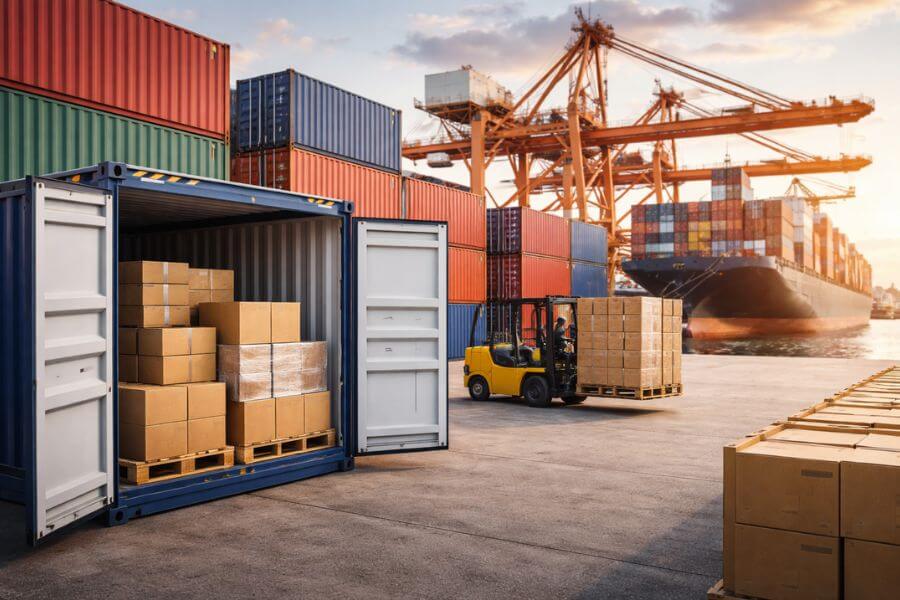
Less-than-container load shipping refers to ocean freight where multiple shippers share space inside a single container. Instead of booking a full container load (FCL), companies only pay for the space their cargo occupies. Freight forwarders or consolidators combine shipments from different customers at a consolidation warehouse, load them into one container, and ship them together to the destination port. Once the shipment arrives, the container is deconsolidated, and the cargo is separated for final delivery. This process allows businesses to ship smaller volumes without waiting until they have enough goods for a full container. LCL is commonly used for shipments between one cubic meter and about fifteen cubic meters, although this can vary depending on the logistics provider.
How LCL Shipping Works Step by Step
The LCL process begins when a shipper books space with a freight forwarder. The cargo is delivered to a consolidation warehouse where it is measured, inspected, and prepared for export. Once enough compatible shipments are collected, the forwarder loads them into a shared container. The container is then transported to the port and loaded onto a vessel. After arrival at the destination port, the container goes to a deconsolidation facility where shipments are separated and prepared for customs clearance. After clearance, cargo is either picked up by the consignee or delivered to the final destination. While the process involves more handling compared to FCL shipping, experienced logistics providers minimize risks through proper packaging and cargo management.
When You Should Use LCL Shipping
LCL shipping makes the most sense when your shipment is too small to justify the cost of a full container. Businesses often choose LCL when launching new products, restocking smaller inventory volumes, testing new suppliers, or managing seasonal demand fluctuations. It is also useful for e-commerce brands that operate lean inventory models and prefer frequent, smaller shipments instead of large bulk orders. If speed is not your top priority and cost efficiency matters more, LCL can be an excellent option. However, if your cargo approaches the cost of a full container or requires strict transit timelines, comparing LCL and FCL pricing becomes important before making a decision.
Advantages of LCL Shipping
The biggest advantage of LCL shipping is cost efficiency. Companies only pay for the space they use instead of the entire container. This improves cash flow and reduces inventory risk because businesses can order smaller quantities more frequently. LCL also provides flexibility, allowing companies to adapt quickly to changing market demand. Another benefit is global accessibility. Even smaller businesses can participate in international trade without large shipping volumes. Additionally, LCL services are widely available on major trade lanes, making it easier to find regular sailing schedules. For growing e-commerce brands, LCL can serve as a stepping stone before transitioning to full container shipments.
Disadvantages of LCL Shipping
Despite its benefits, LCL shipping does come with some drawbacks. Because cargo is handled multiple times during consolidation and deconsolidation, there is a slightly higher risk of damage compared to FCL shipments. Transit times may also be longer because forwarders must wait to consolidate enough cargo before shipping. There may also be additional handling and documentation fees that can increase total costs if not clearly understood. For fragile or high-value goods, extra packaging and cargo insurance are strongly recommended. Understanding these tradeoffs helps businesses plan properly and avoid surprises during the shipping process.
How LCL Shipping Costs Are Calculated
LCL pricing is typically based on the volume or weight of the shipment, whichever is greater. This is known as the chargeable weight. Freight forwarders usually calculate rates per cubic meter. In addition to the base ocean freight rate, shippers should expect origin charges, documentation fees, customs clearance costs, destination handling fees, and local delivery charges. Seasonal demand, fuel costs, and port congestion can also influence pricing. Because of these variables, it is important to request a detailed quotation that clearly outlines all cost components. Transparent pricing helps businesses accurately calculate landed costs and maintain healthy profit margins.
LCL vs FCL: Key Differences
The main difference between LCL and FCL shipping comes down to volume, cost structure, and handling. LCL is ideal for smaller shipments and offers lower upfront costs, while FCL becomes more economical as shipment size increases. FCL shipments typically move faster because they do not require consolidation and involve less cargo handling. This also reduces damage risk. LCL offers flexibility and lower inventory commitment, while FCL provides better control and potentially lower per-unit costs at higher volumes. Many businesses start with LCL and transition to FCL as their order quantities grow and supply chains become more predictable.
Packaging Tips for LCL Shipments
Proper packaging is essential for successful LCL shipping because your cargo will share container space with other goods. Strong cartons, pallets, and protective materials help prevent damage during handling and transit. Using shrink wrap, corner protectors, and waterproof coverings can add extra protection. Clear labeling with shipping marks and handling instructions also reduces confusion during consolidation. Palletizing cargo is highly recommended because it improves stability and makes handling more efficient. Investing in good packaging may slightly increase upfront costs, but can prevent costly damage and delays later in the logistics process.
Customs Considerations for LCL Freight
Customs clearance is an important part of any international shipment, including LCL cargo. Each shipment within a consolidated container must have accurate documentation such as commercial invoices, packing lists, and product classifications. Incorrect paperwork can delay not only your shipment but also potentially other cargo in the same container. Working with experienced customs brokers or freight forwarders helps ensure compliance with import regulations. Duties and taxes vary depending on product type and destination country. Preparing documentation in advance and confirming regulatory requirements can significantly reduce clearance delays and unexpected charges.
How to Choose a Reliable LCL Freight Forwarder
Selecting the right logistics partner can make a major difference in your LCL shipping experience. Look for freight forwarders with strong consolidation networks, transparent pricing, and responsive customer support. Experience in your specific trade lanes is also important. Reliable providers offer cargo tracking, clear communication, and proactive problem-solving. It is also helpful to work with partners that offer integrated services such as warehousing, fulfillment, and last-mile delivery. This can simplify your supply chain and reduce coordination challenges. Taking time to evaluate providers carefully can lead to smoother operations and better long-term logistics performance.
Best Practices to Optimize LCL Shipping
Businesses can maximize the benefits of LCL shipping by planning shipments strategically. Consolidating purchase orders, improving packaging efficiency, and forecasting demand can help reduce shipping frequency and costs. Booking shipments early helps secure space and better rates. Maintaining good communication with suppliers and logistics partners also improves coordination. Some companies also use LCL in combination with regional fulfillment strategies to balance inventory costs and delivery speed. By treating LCL as part of a broader logistics strategy instead of just a shipping method, businesses can create more efficient and resilient supply chains.
Conclusion
Less-than-container load shipping plays a vital role in modern global logistics by making international freight accessible, flexible, and cost-effective for businesses of all sizes. While it may involve slightly longer transit times and additional handling, the financial and operational advantages often outweigh these challenges for smaller shipments. By understanding how LCL works, how costs are structured, and how to prepare cargo properly, businesses can use this shipping method to scale efficiently and manage inventory more strategically. Whether you are an e-commerce seller, importer, or growing brand, LCL shipping can be a valuable tool that supports smarter global expansion and more efficient logistics planning.