Middle mile delivery has rapidly become one of the most important components of modern logistics. As supply chains evolve to support e-commerce, omnichannel retail, and fast fulfillment expectations, the middle mile is where businesses can gain or lose significant efficiency. Whether you’re a retailer, manufacturer, or logistics partner, understanding how middle mile delivery works is essential for lowering transportation costs, increasing operational speed, and improving customer satisfaction.
This comprehensive guide breaks down everything you need to know about middle mile delivery, including what it is, how it works, why it’s important, the challenges involved, emerging trends, and how partnering with an experienced U.S. 3PL can streamline the entire process.
What is Middle Mile Delivery?
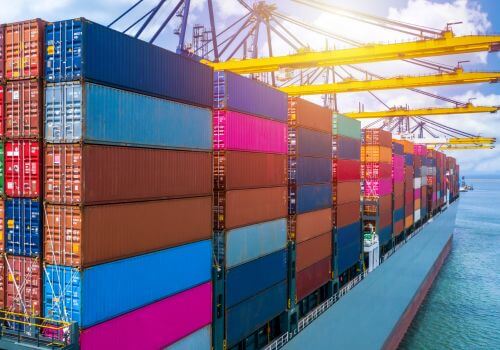
Middle mile delivery refers to the transportation of goods between nodes within a supply chain, typically from a supplier’s warehouse or port facility to a company’s distribution center, fulfillment center, or retail hub. It is the stage after the goods are produced or imported (first mile) and before they reach the customer through last-mile delivery.
Common examples include:
- Moving goods from a port to a regional distribution center
- Transporting inventory from a primary warehouse to a fulfillment center
- Redistributing stock between multiple warehouses
- Shipping bulk goods from a 3PL provider to a retailer’s store network
While customers rarely see middle mile operations, they heavily influence product availability, delivery speed, and overall supply chain cost.
The Role of Middle Mile Delivery in the Supply Chain
Middle mile logistics act as the backbone of modern distribution networks. It bridges production and retail channels while supporting the following functions:
- Inventory positioning: Strategically transporting goods to the right distribution centers reduces last-mile delivery times and ensures products are stored closer to end consumers.
- Network efficiency: Efficient middle mile routing minimizes unnecessary transportation, reduces empty miles, and consolidates shipments to optimize operational costs.
- Demand fulfillment: Fast and consistent middle mile operations help businesses restock inventory quickly, support seasonal demand, and prevent stockouts.
- Store or fulfillment center replenishment: Retailers, especially in omnichannel models, depend on reliable middle mile transportation to keep shelves stocked and maintain online order fulfillment.
- Supporting e-commerce growth: With the rise of next-day and same-day delivery expectations, repositioning inventory through middle mile networks is essential to achieving speed at scale.
Why Middle Mile Delivery is Becoming More Important
The middle mile is evolving rapidly due to major changes in retail, manufacturing, and consumer expectations.
- E-commerce and omnichannel growth: Online shoppers expect faster delivery with full visibility. Efficient middle mile operations position inventory closer to urban hubs, reducing last-mile travel time.
- Rising transportation costs: Fuel, labor shortages, and equipment costs make optimization essential. Middle mile consolidation helps offset rising costs by increasing delivery density.
- Supply chain disruptions: From port congestion to global trade shifts, companies need agile middle mile strategies that adapt to uncertainty and maintain resilience.
- Retailer expectations: Companies like Amazon, Walmart, and Target have raised the bar for supply chain performance. Middle mile agility is necessary for maintaining competitive service levels.
- Inventory strategy shifts: Businesses are moving toward micro-fulfillment, regional distribution, and hybrid storage models, all of which rely on efficient middle mile movements.
Middle Mile vs. First Mile vs. Last Mile Delivery
Understanding the three major segments of the supply chain helps clarify the purpose of middle mile logistics.
First Mile Delivery
- Movement from manufacturer or supplier to the first warehouse
- Focus: bulk shipping, import flows, supplier coordination
Middle Mile Delivery
- Transfers inventory between warehouses, ports, distribution centers, and fulfillment hubs
- Focus: routing efficiency, inventory positioning, consolidation
Last Mile Delivery
- Final delivery to end consumer or retail store
- Focus: customer experience, delivery speed, reducing failed deliveries
The middle mile is often the most cost-effective stage to optimize because it deals with bulk goods and scheduled routes, offering significant opportunities to improve efficiency.
Key Components of Middle Mile Delivery
Middle mile delivery involves several operational elements:
1. Transportation Fleet
This may include:
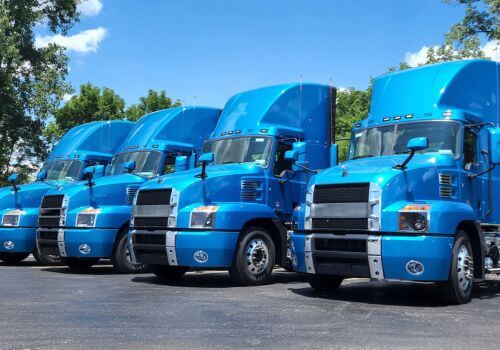
- Dry van trucks
- Temperature-controlled trailers
- Box trucks
- Intermodal containers
- Dedicated fleet vehicles
2. Distribution Centers and Fulfillment Centers
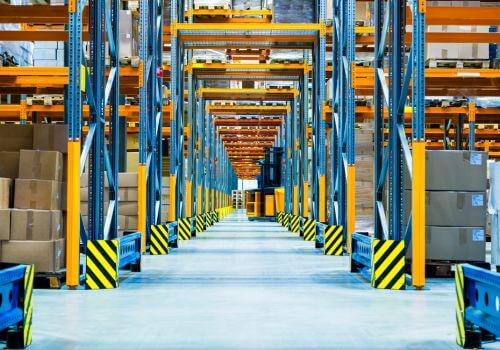
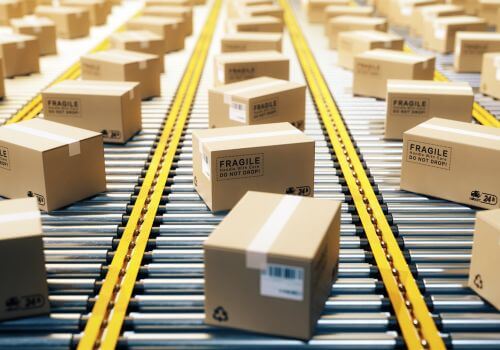
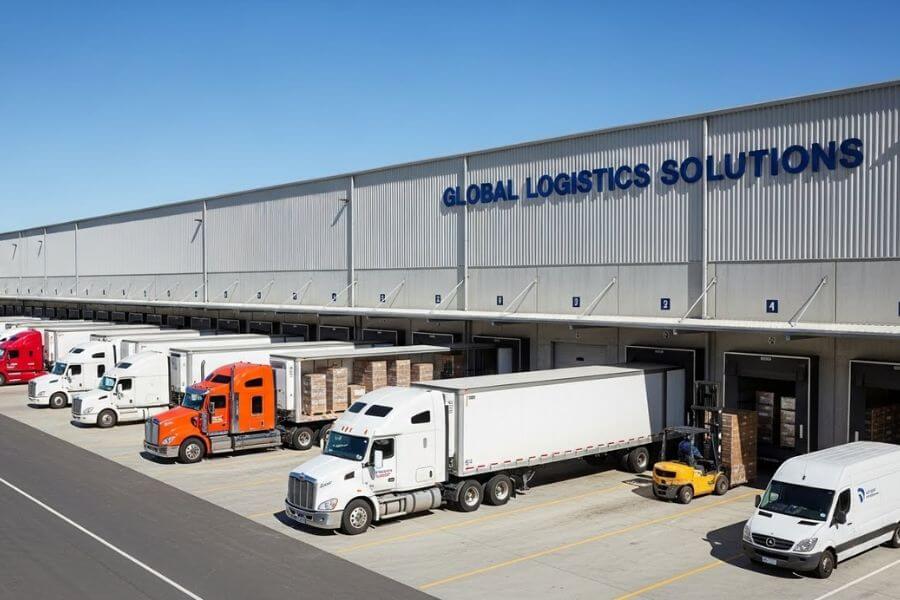
These facilities serve as hubs for receiving, sorting, storing, and dispatching inventory.
3. Route Optimization
Planning efficient middle mile routes reduces mileage, fuel costs, and transit times.
4. Shipment Consolidation
Combining freight from multiple suppliers reduces transportation costs and improves load efficiency.
5. Warehouse Transfers
Rebalancing inventory across regions ensures that stock remains close to customer demand.
6. Inventory Visibility
Real-time tracking enables better planning, reduces safety stock needs, and improves forecasting accuracy.
Benefits of an Optimized Middle Mile Delivery Strategy
Streamlined middle mile logistics generate measurable benefits across your supply chain.
- Lower shipping and operational costs: Consolidation, route optimization, and strategically placed warehouses reduce transportation spend and labor costs.
- Improved delivery speed: Products positioned closer to consumers enable 1-day and same-day fulfillment capabilities.
- Higher inventory accuracy: Visibility across middle mile movements reduces inventory discrepancies and improves forecasting.
- Supply chain agility: Companies can react quickly to demand spikes, capacity issues, or disruptions at ports and supplier locations.
- Better customer experience: Even though middle mile happens behind the scenes, its efficiency supports lower delivery times and higher order accuracy.
- Reduced environmental impact: More efficient routing and consolidation reduce emissions, fuel consumption, and empty miles.
Challenges in Middle Mile Delivery
Despite its importance, many companies face operational and strategic challenges:
- Network complexity: Managing multiple warehouses, suppliers, and transportation nodes requires advanced planning and coordination.
- Driver shortages: Demand for CDL drivers continues to exceed supply, affecting availability and increasing costs.
- Rising fuel and equipment costs: Middle mile fleets require capital investment and consistent maintenance to stay efficient.
- Limited visibility: Many shippers struggle with real-time tracking of goods between distribution centers.
- Port and border congestion: Import-heavy supply chains experience delays when middle mile transport depends on port throughput.
- Lack of Digital Integration: Without connected systems, data remains siloed, hindering operational efficiency.
Technologies Transforming Middle Mile Delivery
Modern middle mile logistics rely heavily on technology to drive accuracy, speed, and cost-effective planning.
- Transportation management systems (TMS): A TMS automates routing, load planning, carrier management, documentation, and tracking.
- Warehouse management systems (WMS): WMS provides real-time visibility into inventory movements and order flows.
- Real-time tracking and telematics: GPS tracking, IoT sensors, and ELD data provide insights into:
- Fleet performance
- Delivery progress
- Temperature sensitivity
- Route deviations
- Automation and robotics: Distribution centers increasingly use:
- Automated storage and retrieval systems (AS/RS)
- Robotic sorting
- Autonomous forklifts
- AI and predictive analytics: AI helps forecast demand, optimize inventory placement, and recommend ideal transfer schedules.
- Electric and autonomous vehicles: Emerging technologies offer long-term opportunities for lower operating costs and sustainable middle mile operations.
Middle Mile Delivery Models
Depending on business size, volume, and supply chain complexity, companies use various middle mile models.
- Private or dedicated fleet: Companies operate their own vehicles and drivers for maximum control.
- Third-party logistics (3PL) providers: A 3PL handles transportation, warehouse transfers, and inventory movement as an outsourced service.
- Asset-based carriers: Truckload or LTL carriers provide dedicated routes for middle mile shipments.
- Intermodal delivery: Combines truck, rail, and sometimes air for long-distance middle mile efficiency.
- Consolidation hubs: Freight from multiple suppliers is consolidated into fewer trucks to reduce the cost per unit.
How 3PLs Support Middle Mile Delivery
3PL partners play a critical role in helping businesses optimize their middle mile operations. Key services include:
- Transportation management: Scheduling, routing, tracking, and coordinating shipments across a national or regional network.
- Warehouse transfers: Inventory redistribution between multiple storage locations.
- Cross-docking: Transfers products directly between inbound and outbound trucks with minimal warehousing.
- Pool distribution: Combining shipments geographically to reduce last-mile delivery costs.
- Freight consolidation: Improves load efficiency and reduces cost per pallet.
- Visibility & reporting: 3PLs provide real-time data dashboards and performance analytics.
Middle Mile Delivery Case Example (Hypothetical)
A national retailer with 200+ stores struggled with out-of-stock issues and long replenishment times. By partnering with a 3PL to redesign their middle mile network, they achieved:
- 25% reduction in transportation costs
- 48-hour acceleration in inventory replenishment
- 40% improvement in load consolidation
- Increased shelf availability for top-selling items
A strong middle mile strategy directly improved both operational efficiency and customer satisfaction.
Conclusion
Middle mile delivery is one of the most critical but often overlooked elements of an efficient supply chain. It connects production to distribution, positions inventory close to customer demand, and supports fast, reliable last-mile delivery. As e-commerce continues to grow and consumer expectations evolve, optimizing your middle mile operations becomes essential to staying competitive.
Whether you’re a retailer, manufacturer, or distributor, partnering with a reliable 3PL can unlock major efficiencies, reduce costs, and deliver a better end-to-end customer experience. With the right technology, network strategy, and operational planning, businesses can transform the middle mile into a core strength of their logistics ecosystem.