In today’s fast-moving logistics environment, accurate tracking is essential for efficiency, visibility, and customer satisfaction. One of the most important tools that enables seamless supply chain tracking is the Serial Shipping Container Code (SSCC). Whether you operate an e-commerce business, manage a warehouse, or work with a third-party logistics provider, understanding SSCC can significantly improve shipment accuracy and traceability. SSCC labels help companies identify logistics units, reduce shipping errors, and automate receiving processes. This guide explains what SSCC is, how it works, why it matters, and how businesses can implement it effectively within modern supply chain operations.
What is a Serial Shipping Container Code (SSCC)?
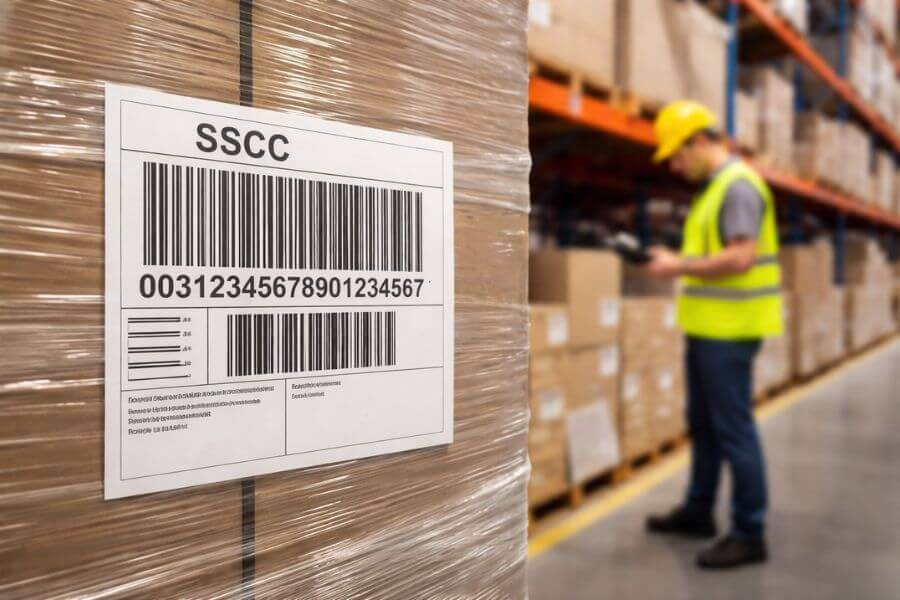
A Serial Shipping Container Code (SSCC) is an 18-digit unique identifier used to track logistics units such as pallets, cartons, or containers throughout the supply chain. It is part of the global GS1 standards system, which is widely used for barcode identification. Each SSCC number is unique and is assigned to a specific shipment unit to allow accurate tracking from origin to destination. The SSCC is usually displayed in a barcode format, commonly GS1-128, allowing scanners to quickly capture shipment information. This standardized approach allows warehouses, carriers, and retailers to communicate shipment data efficiently.
Why SSCC is Important in Logistics
SSCC improves supply chain transparency and operational efficiency. By assigning a unique identifier to each logistics unit, businesses can track shipments in real time, reduce manual data entry, and minimize errors. SSCC also enables faster receiving processes because warehouses can scan a single barcode instead of checking individual items. This improves productivity and reduces labor costs. Additionally, SSCC supports compliance with major retailers and marketplaces that require standardized shipment labeling. As supply chains become more automated, SSCC has become a critical requirement rather than just a best practice.
Structure of an SSCC Number
An SSCC is composed of several components that together create a globally unique number. It includes an extension digit, a GS1 company prefix, a serial reference number, and a check digit. The company prefix identifies the business issuing the code, while the serial reference ensures uniqueness for each logistics unit. The check digit is calculated using a mathematical formula to verify accuracy. This structured format ensures no two SSCC numbers are duplicated worldwide. Understanding this structure helps businesses generate codes correctly and avoid duplication issues that could disrupt shipment tracking.
How SSCC Barcodes Work
SSCC numbers are typically encoded into GS1-128 barcodes, which can be scanned by warehouse management systems and transportation systems. When scanned, the barcode connects the physical shipment to digital shipment records such as purchase orders, packing lists, and delivery instructions. This creates a digital thread across the supply chain. When shipments arrive at a warehouse, scanning the SSCC allows the system to instantly retrieve shipment details. This automation reduces processing time, improves accuracy, and allows better shipment visibility for all stakeholders.
SSCC vs Other Shipping Identifiers
SSCC differs from other shipping identifiers because it focuses on logistics units rather than individual products. For example, GTIN identifies products, while SSCC identifies shipment groupings such as pallets or cartons. Tracking numbers from carriers are also different because they are assigned by transportation companies, while SSCC is assigned by the shipper. SSCC works alongside these identifiers rather than replacing them. Together, they create a complete tracking ecosystem that improves traceability from manufacturing to final delivery.
Benefits of Using SSCC
Companies that implement SSCC benefit from improved accuracy, better tracking, and stronger supply chain coordination. It helps reduce shipping disputes by providing clear shipment identification. SSCC also supports electronic data interchange transactions, making communication between partners more reliable. It improves inventory visibility and supports automation initiatives such as automated receiving and cross-docking. Businesses also benefit from improved compliance with large retailers that require SSCC labeling. Overall, SSCC contributes to faster operations and improved customer satisfaction.
How to Generate SSCC Codes
To generate SSCC codes, businesses first need a GS1 company prefix. This prefix allows companies to create globally unique identifiers. Once obtained, companies can create SSCC numbers by combining their prefix with unique serial numbers. Many warehouse management systems and logistics platforms can automatically generate SSCC codes. Companies must also calculate the check digit to ensure barcode accuracy. Proper internal processes should be established to avoid duplicate codes. Automation tools often simplify this process and reduce administrative workload.
SSCC Label Requirements
SSCC labels must follow GS1 guidelines to ensure readability and consistency. Labels typically include the SSCC barcode, the SSCC number in human-readable format, and sometimes additional shipment information such as destination or purchase order numbers. Labels should be placed on at least two sides of a pallet for easy scanning. Proper label placement improves warehouse efficiency and prevents scanning delays. Following labeling standards ensures compatibility with trading partners and reduces operational friction.
Common SSCC Implementation Challenges
While SSCC offers many benefits, implementation can present challenges. Companies may need to update warehouse systems, train staff, and adjust workflows. Smaller businesses may initially struggle with GS1 registration costs or technical setup. Integration with existing enterprise systems can also require planning. However, these challenges are usually temporary. With proper planning, businesses often see quick returns through improved efficiency and reduced shipping errors. Working with experienced logistics providers can also make implementation easier.
Best Practices for SSCC Management
Businesses should establish clear processes for SSCC creation, usage, and retirement. SSCC numbers should never be reused within a defined period to prevent confusion. Maintaining accurate shipment records linked to each SSCC is also important. Companies should regularly audit their barcode quality to ensure scanners can read labels easily. Training warehouse teams on proper labeling procedures also improves success. Following these best practices ensures companies get the full benefits of SSCC implementation.
Conclusion
Serial Shipping Container Codes have become an essential part of modern supply chain management. They provide a standardized way to identify and track logistics units, improving efficiency, accuracy, and visibility. As e-commerce and global trade continue to grow, SSCC adoption will likely become even more important for businesses seeking operational excellence. Companies that invest in SSCC systems position themselves for better automation, stronger partnerships, and improved customer experiences. By understanding how SSCC works and implementing best practices, businesses can build a more transparent and reliable logistics operation that supports long-term growth.
Frequently Asked Questions (FAQs)
What does SSCC stand for in shipping?
SSCC stands for Serial Shipping Container Code. It is a unique 18-digit number used to identify logistics units such as pallets or cartons during transportation. The SSCC allows businesses to track shipments accurately and connect physical shipments with digital records. It is part of the GS1 global standards system and is widely used across retail, manufacturing, and logistics industries to improve shipment visibility and operational accuracy.
Is SSCC required for all shipments?
SSCC is not required for every shipment, but many large retailers and distribution networks require it for compliance. Businesses working with major supply chains often need SSCC labels to meet shipping guidelines. Even when not mandatory, many companies adopt SSCC because it improves tracking and efficiency. As supply chains become more digital, SSCC adoption continues to increase across industries of all sizes.
How long should an SSCC number remain unique?
GS1 recommends that SSCC numbers should not be reused for at least one year after shipment delivery. This prevents confusion in tracking systems and ensures accurate historical records. Some companies choose longer non-reuse periods depending on their operations. Maintaining uniqueness is critical because reusing numbers too quickly could cause shipment tracking errors and data conflicts within warehouse or transportation systems.
What is the difference between SSCC and a tracking number?
An SSCC is assigned by the shipper to identify a logistics unit, while a tracking number is assigned by a carrier to track transportation progress. SSCC is used mainly for warehouse and supply chain visibility, while tracking numbers focus on delivery status. Both identifiers serve different purposes but often work together to provide complete shipment tracking from origin to final delivery.
Do small businesses need SSCC codes?
Small businesses may not always need SSCC codes unless required by their retail partners or logistics providers. However, adopting SSCC can still benefit growing businesses by improving organization and shipment accuracy. Companies planning to scale operations or work with larger retailers often implement SSCC early to prepare for future requirements and improve operational efficiency as they grow.
How do you calculate the SSCC check digit?
The SSCC check digit is calculated using a modulo 10 algorithm based on the first 17 digits of the SSCC. This calculation ensures barcode accuracy and helps detect data entry errors. Many barcode generators and warehouse systems automatically calculate this digit. Using automated tools is recommended because manual calculation can increase the risk of mistakes that may affect scanning accuracy.
Can SSCC numbers be reused?
SSCC numbers can be reused after a defined period, typically at least one year after the original shipment is completed. This waiting period ensures that previous shipment data is no longer active in supply chain systems. Businesses should establish clear reuse policies to avoid conflicts. Many companies prefer generating new SSCC numbers continuously rather than reusing them to simplify management.
Where should SSCC labels be placed?
SSCC labels are typically placed on two adjacent sides of a pallet to allow easy scanning from different angles. Labels should be positioned at a standard height to match warehouse scanning equipment. Proper placement reduces receiving delays and scanning errors. Following GS1 label placement guidelines ensures compatibility with automated warehouse processes and improves operational efficiency.
What barcode type is used for SSCC?
SSCC numbers are usually encoded using the GS1-128 barcode format. This barcode type supports additional data elements and is designed for logistics environments. GS1-128 barcodes are highly reliable and compatible with most warehouse scanning systems. Using the correct barcode format ensures accurate scanning and smooth data exchange between supply chain partners.
How does SSCC improve warehouse operations?
SSCC improves warehouse operations by allowing teams to scan a single code to access complete shipment information. This reduces manual checking and speeds up receiving processes. It also improves inventory accuracy and reduces errors caused by manual data entry. By enabling automation and better visibility, SSCC helps warehouses operate more efficiently and handle higher shipment volumes.