With diesel prices reaching record highs across the United States, businesses are facing mounting transportation costs. While government intervention may offer temporary relief, a smarter logistics strategy could provide a more sustainable solution.
The U.S. Department of Energy announced on October 21 that it would make up to 315,000 barrels of fuel available from the Northeast Home Heating Oil Reserve as diesel prices continue to surge. The emergency measure comes amid significant energy market disruptions, with the national average diesel price reaching approximately $6.32 per gallon, according to AAA.
The fuel will be offered through a temporary exchange programme, with deliveries expected to be completed by November 13. Although the initiative is primarily intended to address heating oil shortages in the Northeast, it highlights the broader challenges facing industries dependent on diesel fuel.
For trucking companies, manufacturers, retailers, and businesses relying on freight transportation, rising fuel costs are becoming an increasingly difficult expense to manage.
And while emergency reserves may help ease regional supply pressures, they cannot eliminate the underlying volatility affecting transportation markets.
The Hidden Impact of Rising Diesel Prices
Fuel is one of the largest operating expenses in the trucking industry. When diesel prices increase, the financial impact extends well beyond the transportation companies purchasing it.
Higher fuel expenses can contribute to increased freight rates, additional fuel surcharges, and rising distribution costs for businesses moving goods across the country.
For companies operating on tight margins, even relatively small increases in transportation expenses can affect profitability.
These challenges are particularly significant for businesses with high-volume shipments, recurring delivery schedules, or time-sensitive supply chains.
Manufacturers depend on consistent deliveries to keep production lines operating. Retailers need reliable replenishment to maintain inventory levels, while distributors must balance transportation expenses against customer expectations.
The challenge is no longer simply moving freight efficiently. It’s maintaining cost control in an increasingly unpredictable transportation market.
Why Businesses Need a Smarter Transportation Strategy
When fuel prices rise, businesses often focus on immediate cost reductions. However, long-term transportation efficiency requires more than simply finding the lowest available freight rate.
Inefficient routes, unnecessary mileage, inconsistent carrier availability, and poorly coordinated warehouse operations can all contribute to avoidable expenses.
A more strategic logistics approach focuses on optimizing transportation networks, improving shipment planning, and creating greater consistency across daily operations.
This is where working with an experienced third-party logistics (3PL) provider becomes valuable.
Rather than managing multiple transportation providers independently, businesses can benefit from coordinated logistics solutions designed around their specific operational requirements.
How Logos Logistics Helps Businesses Manage Rising Transportation Costs
At Logos Logistics, we understand that transportation costs directly influence business performance.
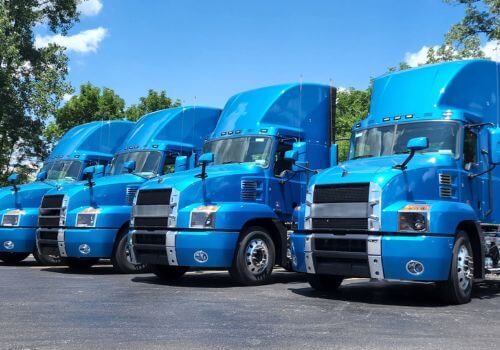
As an asset-based 3PL provider, we combine trucking capabilities, warehousing infrastructure, and experienced logistics management to help businesses streamline their supply chains.
Our services are designed to address several of the challenges becoming increasingly important as diesel prices rise.
1. Dedicated Transportation Solutions
Our dedicated transportation services provide businesses with consistent access to equipment and capacity, helping reduce uncertainty around recurring freight movements.
By developing transportation programmes around established routes and delivery schedules, businesses can improve operational predictability and identify opportunities for greater efficiency.
2. Regional and Short-Haul Trucking
Transportation efficiency often begins with how shipments are planned.
Our regional and short-haul trucking capabilities help businesses develop practical distribution strategies, improve route coordination, and reduce unnecessary transportation complexity.
3. Integrated Warehousing and Distribution
Transporting goods over unnecessary distances can add considerable expense to a supply chain.
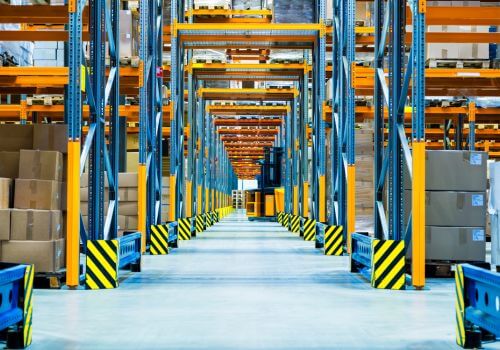
With strategically positioned warehousing facilities across key U.S. markets, including Michigan, Ohio, Delaware, and California, Logos Logistics helps businesses evaluate inventory placement and distribution strategies that may reduce shipping distances and improve delivery efficiency.
4. Asset-Based Transportation and Operational Visibility
As an asset-based logistics provider, Logos Logistics operates transportation equipment and supports customers through coordinated logistics operations.
Combined with transportation management technology and 24/7 dispatch support, this provides businesses with greater visibility and responsiveness when delivery schedules, shipment requirements, or market conditions change.
Building Supply Chains That Can Withstand Market Volatility
The federal government’s decision to make emergency fuel supplies available demonstrates the seriousness of the current energy market challenges.
However, the release represents a relatively small portion of the broader U.S. fuel market, and its effect on nationwide diesel prices remains uncertain.
For businesses, this reinforces an important lesson: relying on temporary market relief is not a substitute for long-term logistics planning.
Companies that invest in transportation efficiency, coordinated warehousing, and reliable carrier relationships may be better positioned to manage future disruptions.
At Logos Logistics, our focus is on helping businesses create transportation and distribution operations that are efficient, reliable, and adaptable.
While no logistics provider can control the price of diesel, the right transportation strategy can help reduce unnecessary expenses, improve operational consistency, and protect businesses against some of the challenges created by rising costs.
Fuel prices may be unpredictable. Your logistics strategy doesn’t have to be.
Discover how Logos Logistics can help streamline your transportation and supply chain operations.
Learn more: https://www.logos3pl.com/