Tariff refunds nearly erased U.S. customs duty revenue in May, creating a notable shift for importers — and for the trucking and warehousing companies that move and store their freight.
The Treasury Department refunded almost $22 billion in customs duties during the month, roughly matching the amount collected from importers. The result was that net customs revenue effectively turned negative, a striking reversal after tariffs had become a major source of federal receipts over the past year.
The refunds are tied to duties collected under the International Emergency Economic Powers Act, or IEEPA, after courts found that the tariff authority had been improperly used. U.S. Customs and Border Protection has been processing claims from importers that paid the affected duties, with billions already moving back through the system.
For the trucking and warehousing sector, the issue is not just a federal budget story. It is a freight story.
Importers that receive refunds may suddenly have more working capital available. That can influence how quickly they replenish inventory, release delayed purchase orders, or move goods out of bonded facilities and distribution centers. For motor carriers, drayage providers, 3PLs and warehouse operators, the timing of these refunds could affect shipment volumes, storage demand and contract negotiations.
The impact will not be even across the supply chain. Large importers with strong customs teams, established brokers and clean entry data are better positioned to recover funds quickly. Smaller shippers, especially those that relied on third-party importers, freight forwarders or parcel carriers as the importer of record, may face a more complicated path. In many cases, the company that physically received the goods may not be the party legally entitled to the refund.
That distinction matters for warehouses and trucking providers serving retailers, manufacturers and distributors. Some customers may see refund-related cash relief and accelerate freight activity. Others may still be waiting for brokers, suppliers or import partners to pass money through — if they receive it at all.
The process also creates a documentation challenge. Importers need to reconcile tariff payments against entry records, country-of-origin data, HTS classifications, customs broker files and liquidation status. Companies with fragmented freight, brokerage and warehouse management systems may find it harder to prove what was paid and what is owed.
That creates a practical role for logistics partners. Warehouses that can provide accurate receiving records, inventory histories, SKU-level movement data and customs documentation may help importers support refund claims. Trucking companies and drayage providers may also be asked to supply shipment records, container movement details, delivery confirmations and proof of custody.
Refunds could also change conversations around past tariff surcharges. Many importers passed tariff costs downstream through higher prices, accessorial charges or line-item surcharges. If those importers now receive refunds, retailers and distributors may ask whether any portion should be returned to them. That could create tension between importers, customers and logistics providers that handled tariff-affected freight.
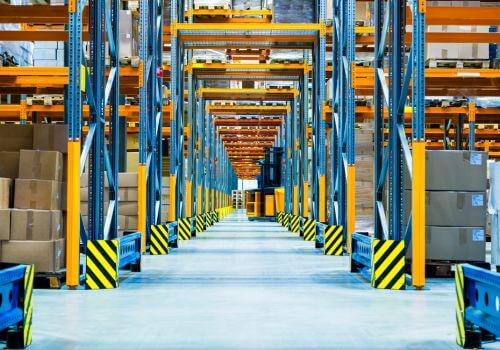
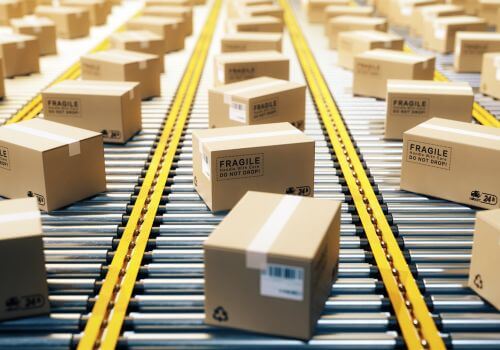
For U.S. warehousing, one possible outcome is a short-term lift in inventory activity. If importers use refunds to rebuild stock, distribution centers could see higher inbound volumes. If companies use the cash to clear old payables, storage fees or demurrage-related costs, logistics providers could benefit indirectly. But if refund processing slows or remains uneven, the effect may be delayed and concentrated among larger shippers.
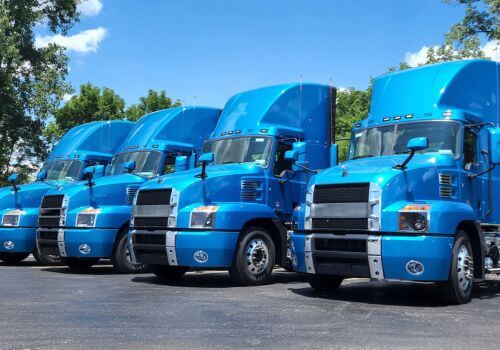
For trucking, the biggest question is whether refunded cash turns into freight demand. Importers that had delayed orders because of tariff pressure may resume purchasing. Port drayage, transloading, regional distribution and long-haul truckload networks could all see ripple effects if goods begin moving more freely. However, the benefit will depend on how quickly refunds reach operating businesses rather than remaining tied up in disputes between importers, brokers and downstream buyers.
The broader takeaway for logistics executives is clear: customs data is now operational data. Tariff exposure, refund eligibility and landed-cost accuracy are no longer only finance or compliance concerns. They can affect freight timing, inventory strategy, warehouse utilization and carrier demand.
As CBP continues processing refunds, trucking and warehousing companies should expect more customers to ask for historical shipment documentation, tariff-related cost breakdowns and cleaner links between purchase orders, customs entries and physical freight movement.
For an industry already managing volatile import flows, tariff refunds add another variable. The money moving back to importers could support freight demand, improve customer liquidity and unlock delayed inventory decisions. But the companies that benefit most will be those with accurate records, strong broker relationships and logistics partners capable of connecting customs paperwork to real-world freight movement.