Michigan’s identity has been connected to the automotive industry for more than a century. But its importance today extends far beyond its manufacturing history.
As automotive supply chains become more complex, technology-driven and time-sensitive, Michigan continues to serve as one of North America’s most strategically important locations for automotive logistics.
From its concentration of manufacturers and suppliers to its access to Canada, extensive transportation infrastructure and experienced workforce, Michigan offers an ecosystem that is difficult to replicate elsewhere.
A Powerful Automotive Ecosystem
Michigan remains home to one of the world’s densest concentrations of automotive expertise.
According to the Michigan Economic Development Corporation, 96 of the top 100 automotive suppliers to North America have a presence in the state, with 60 headquartered there. Michigan also accounts for approximately 55% of total US automotive research and development spending.
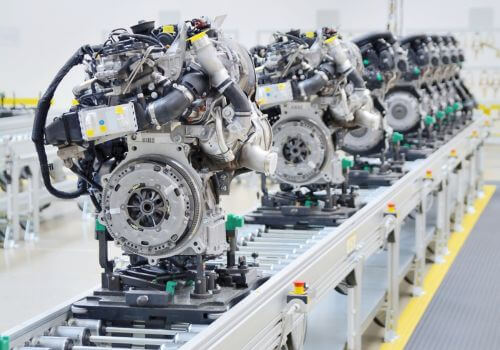
This concentration creates an interconnected network of vehicle manufacturers, parts suppliers, engineering companies, technology developers and logistics providers.
For automotive businesses, proximity matters. Components often need to move between suppliers, assembly plants and distribution facilities according to extremely precise production schedules. Being located close to major customers can reduce transit times, strengthen communication and help businesses respond more quickly when production requirements change.
A Gateway Between the United States and Canada
Michigan’s location along the US–Canada border gives it an additional strategic advantage.
The Detroit–Windsor corridor is one of North America’s most important commercial gateways, particularly for the automotive sector. In 2025, the crossing handled approximately $94.2 billion in trade, according to the US Bureau of Transportation Statistics. Detroit also remains one of the leading truck and rail ports for freight moving between the United States and Canada.
Automotive supply chains on both sides of the border are closely connected. A single vehicle may contain parts that cross the border several times before final assembly is completed.
That makes efficient customs coordination, reliable trucking capacity and accurate shipment visibility essential. Even a relatively short delay can interrupt production, create costly downtime or affect delivery commitments further along the supply chain.
The Gordie Howe International Bridge, scheduled to open on July 27, 2026, will add further capacity, highway-to-highway connectivity and border-processing infrastructure between Detroit and Windsor. It is expected to provide greater redundancy and support the more efficient movement of commercial traffic through the region.
Infrastructure Built for High-Volume Freight
Michigan’s importance is also supported by a mature transportation network.
Major interstate highways connect the state with manufacturing and population centres throughout the Midwest, including Ohio, Indiana, Illinois and Wisconsin. Its access to international border crossings, rail infrastructure, airports and Great Lakes ports gives businesses multiple options for moving automotive products.
This connectivity is particularly valuable when companies need to coordinate several transportation modes or respond to unexpected disruption.
An integrated logistics strategy can combine:
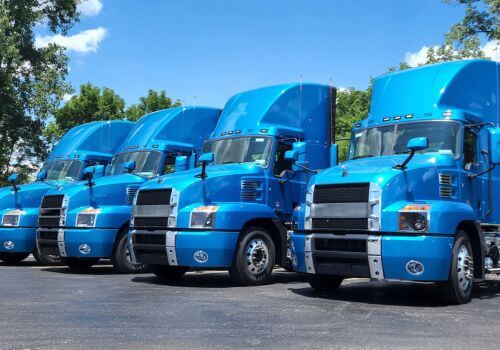
- Asset-based trucking
- Expedited transportation
- Cross-border freight movement
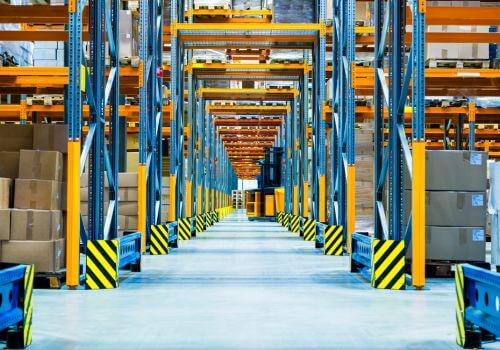
- Warehousing and inventory management
- Freight brokerage
- Cross-docking
- Just-in-time delivery
- Short- and long-term storage
When warehousing and transportation are managed together, automotive companies can reduce handoffs, improve visibility and react more quickly to production changes.
Automotive Logistics Requires Precision
Automotive logistics leaves very little room for error.
Assembly plants rely on carefully sequenced deliveries to keep production lines moving. Suppliers must manage strict delivery windows, detailed inventory requirements and fluctuating production volumes.
A late shipment may represent more than a missed appointment. It can result in production delays, emergency transportation expenses and significant financial penalties.
The right logistics partner must therefore understand the operational pressures of automotive manufacturing. That includes maintaining inventory accuracy, communicating proactively, offering dependable transportation capacity and responding quickly when schedules change.
Secure warehousing is equally important. Tires, precision components, replacement parts and other automotive products require organised storage, careful handling and complete traceability throughout the logistics process.
Supporting the Industry’s Transformation
Michigan’s automotive sector is also evolving.
Manufacturers and suppliers are investing in electric vehicles, battery technology, connected mobility, automation and advanced manufacturing. At the same time, traditional automotive supply chains must continue operating efficiently.
This transition is creating new logistical requirements.
Battery components and advanced electronics may need specialised handling. Production volumes can be difficult to forecast as new vehicle platforms are introduced. Suppliers may also need flexible warehouse capacity while adjusting their operations for new technologies and customer demands.
Michigan is actively supporting this transition. A state programme announced in 2026 is providing more than $9 million to help over 500 automotive suppliers adapt to changes across the industry.
For logistics providers, the challenge is to support both today’s production requirements and tomorrow’s mobility technologies.
Michigan’s Advantage Is the Complete Network
Michigan remains a critical automotive logistics hub because it combines the elements the industry needs in one location:
A deep supplier network, experienced automotive workforce, major manufacturing presence, extensive transportation infrastructure and direct access to Canadian trade routes.
The result is more than geographical convenience. It is an established logistics ecosystem capable of supporting the speed, accuracy and flexibility modern automotive supply chains demand.
Founded in Michigan, Logos Logistics has developed extensive experience supporting automotive manufacturers, suppliers, importers and distributors. Through integrated warehousing, asset-based trucking and transportation solutions, we help businesses move automotive products reliably through every stage of the supply chain.
As the automotive industry continues to transform, Michigan’s role will not disappear. It will remain a central point where manufacturing expertise, international trade and logistics capability come together.
Looking for a logistics partner that understands the demands of the automotive industry? Contact Logos Logistics to explore warehousing and transportation solutions built around your supply chain: https://www.logos3pl.com/