The logistics industry is evolving, and businesses can no longer afford to treat warehousing and transportation as separate operations. As supply chains become more complex, the ability to coordinate inventory, storage, and freight movement is becoming a competitive advantage.
For manufacturers, distributors, and retailers across the United States, maintaining an efficient supply chain means more than simply having enough warehouse space or securing reliable trucking capacity. It requires an integrated logistics strategy that connects every stage of the operation.
This is where third-party logistics (3PL) providers are playing an increasingly important role.
The Problem with Disconnected Logistics Operations
Traditionally, many businesses have managed their warehousing and transportation through separate providers. While this approach can work, it often introduces operational challenges that become more noticeable as shipment volumes increase.
Communication gaps between warehouses and carriers can create scheduling conflicts, delayed shipments, and unnecessary handling costs. Inventory may be ready for distribution, but transportation capacity might not be available at the right time. Alternatively, trucks may arrive before shipments are prepared, resulting in detention charges and lost productivity.
For businesses operating within time-sensitive industries such as automotive manufacturing, these disruptions can have significant consequences.
Integrated logistics helps address these challenges by bringing storage, inventory management, and transportation planning into a more coordinated operation.
1. Improving Inventory Visibility and Control
One of the most important advantages of an integrated logistics operation is improved inventory visibility.
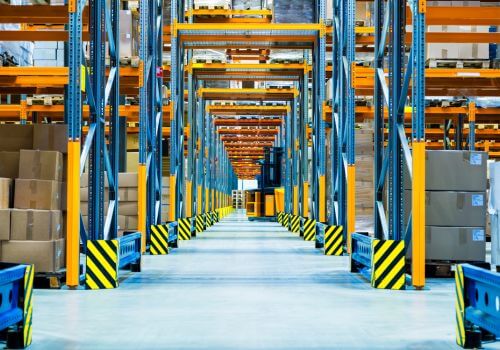
Modern warehouse management systems (WMS) allow businesses to monitor inventory levels, track incoming shipments, and manage outbound orders with greater accuracy.
When warehouse information is connected to transportation planning, logistics teams can coordinate deliveries around actual inventory availability rather than relying on fragmented updates.
This visibility helps businesses:
- Reduce unnecessary inventory holding costs.
- Improve order accuracy and fulfillment efficiency.
- Coordinate inbound and outbound shipments.
- Identify potential supply chain disruptions earlier.
- Make better-informed purchasing and distribution decisions.
For industries dealing with high-volume inventory, such as automotive parts, tires, electronics, and industrial materials, accurate inventory information is especially valuable.
2. Reducing Transportation Delays and Costs
Transportation represents a substantial operational expense for many businesses, making efficient freight coordination essential.
When warehousing and trucking operations work together, companies can improve shipment scheduling, consolidate loads where appropriate, and reduce unnecessary handling.
Cross-docking is one example of how integrated logistics can improve efficiency.
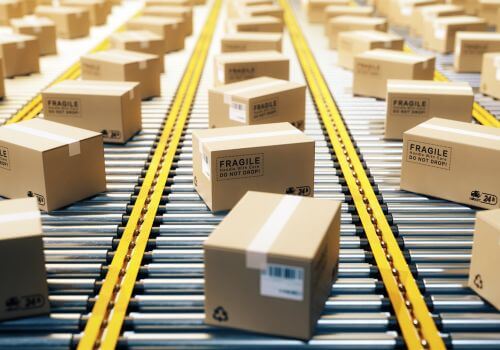
Rather than placing every incoming shipment into long-term storage, products can be unloaded, sorted, and transferred directly to outbound transportation when operationally appropriate.
This process can reduce warehouse dwell time, limit additional handling, and accelerate distribution.
For businesses operating across the Midwest, strategically located distribution facilities can also improve access to major transportation corridors connecting manufacturers, suppliers, and customers.
3. Supporting Just-in-Time Manufacturing
Manufacturing supply chains often require precise coordination between suppliers, warehouses, and production facilities.
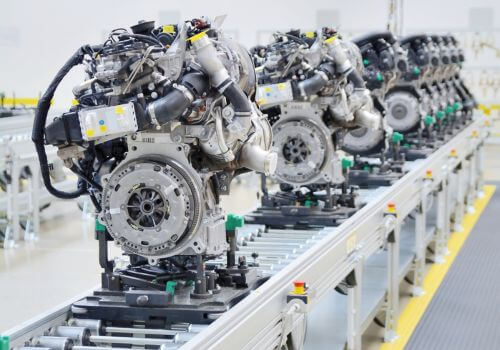
In automotive manufacturing, Just-in-Time (JIT) and Just-in-Sequence (JIS) delivery strategies are designed to ensure components arrive when they are needed, sometimes in a specific production order.
However, these systems depend on consistent communication and transportation reliability.
A delayed shipment can interrupt production schedules, while incorrect sequencing can create additional handling and operational complications.
An integrated 3PL partner can support these requirements through coordinated inventory management, sequenced picking, dedicated transportation, and scheduled deliveries.
By bringing warehousing and transportation closer together, manufacturers can reduce unnecessary inventory buffers while maintaining greater control over material flow.
4. Creating Greater Flexibility During Demand Changes
Demand fluctuations remain an ongoing challenge across logistics operations.
Seasonal purchasing patterns, production changes, unexpected customer orders, and supplier disruptions can all place pressure on existing distribution networks.
Businesses relying on rigid warehouse arrangements or limited transportation options may struggle to respond efficiently.
An integrated 3PL model can provide access to flexible warehouse space, scalable fulfillment support, and multiple transportation solutions without requiring companies to develop every capability internally.
For growing businesses, this flexibility can be particularly valuable when entering new markets, expanding product lines, or managing fluctuating inventory levels.
Instead of committing significant capital to additional facilities and equipment, companies can work with logistics partners capable of adapting services to changing operational requirements.
5. Why Asset-Based Logistics Providers Matter
Not all third-party logistics providers operate their own transportation assets.
While freight brokers play an important role in connecting shippers with available carriers, asset-based providers maintain direct operational involvement in trucking equipment and transportation services.
For businesses requiring consistent freight movement, working with an asset-based logistics partner can offer advantages in coordination, communication, and service accountability.
When supported by warehousing infrastructure, this approach can simplify supply chain management by reducing the number of separate providers involved.
For manufacturers and distributors managing regular deliveries, dedicated routes, or specialized freight requirements, having warehousing and transportation capabilities under one logistics partner can help improve operational consistency.
The Midwest’s Continued Importance in U.S. Logistics
Michigan and Ohio remain strategically important locations for domestic manufacturing and distribution.
With established automotive production networks, interstate highway connections, and access to major regional markets, the Midwest provides an important foundation for industrial supply chains.
For companies distributing products throughout the United States, maintaining inventory near key manufacturing and transportation corridors can help streamline regional deliveries and improve supply chain responsiveness.
Detroit, Toledo, and their surrounding logistics hubs continue to provide valuable access to automotive suppliers, industrial customers, and national freight networks.
Businesses looking to strengthen their distribution strategies should consider not only warehouse capacity but also proximity to customers, transportation infrastructure, and available value-added logistics services.
How Logos Logistics Supports Integrated Supply Chains
At Logos Logistics, we understand that efficient supply chains depend on coordination between every stage of the logistics process.
As an asset-based third-party logistics provider, we offer a comprehensive range of solutions designed to help businesses streamline their operations, including:
- 3PL Warehousing: Inventory storage, warehouse management, cross-docking, and distribution.
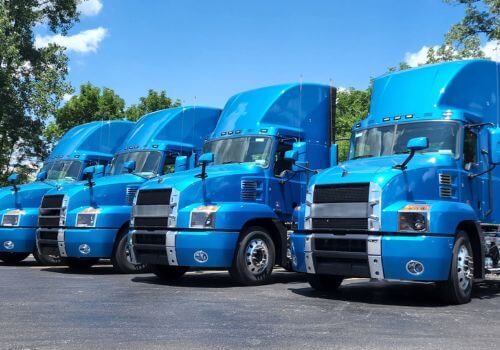
- Trucking and Transportation: Dedicated trucking, regional transportation, short-haul and long-haul services, and intermodal drayage.
- Automotive Logistics: Just-in-Time and sequenced parts delivery supporting demanding manufacturing environments.
- Value-Added Services: Kitting, packing, repacking, inventory management, quality inspection, and other specialized warehouse operations.
- Logistics Technology: Warehouse and transportation management solutions supporting inventory visibility and shipment coordination.
With strategically positioned logistics operations in Michigan, Ohio, and other U.S. markets, Logos Logistics supports businesses seeking more connected warehousing and transportation services.
Our goal is straightforward: help customers reduce operational complexity, improve supply chain efficiency, and maintain reliable product movement.
Building a More Connected Supply Chain
The future of logistics is not simply about moving products faster. It is about building connected operations that allow businesses to respond to changing demand, manage costs, and maintain reliable service.
Warehousing, transportation, inventory visibility, and distribution planning all contribute to supply chain performance. When these functions operate together, businesses can reduce avoidable inefficiencies and create stronger foundations for growth.
For manufacturers, distributors, and retailers looking to improve their logistics strategies, choosing the right 3PL partner can make a meaningful difference.
Looking to streamline your warehousing and transportation operations?
Discover how Logos Logistics can help your business build a more efficient and connected supply chain.
Visit www.logos3pl.com to learn more or request a quote.