If you run an e-commerce business, manage logistics, or ship products regularly, you have probably heard the term shipping zone. While it may sound technical, shipping zones are simply a way carriers measure distance between where a package ships from and where it is delivered. These zones play a major role in determining shipping costs, delivery speed, and fulfillment strategies. Understanding how shipping zones work can help you reduce costs, improve customer satisfaction, and build a smarter shipping strategy. Whether you ship locally or internationally, knowing how zones function gives you better control over your logistics decisions.
What Is a Shipping Zone?
A shipping zone is a geographic area used by carriers to calculate shipping rates based on the distance between the origin and the destination of a package. Instead of measuring distance in miles or kilometers, carriers divide regions into numbered zones. The higher the zone number, the farther the package must travel. For example, a shipment traveling within the same city may be Zone 1 or Zone 2, while a package traveling across the country may be Zone 7 or Zone 8. Shipping zones allow carriers to standardize pricing structures and delivery expectations, making logistics more predictable for both businesses and customers.
How Shipping Zones Work
Shipping zones are determined by the origin ZIP code and the destination ZIP code. Carriers use these two points to assign a zone number. This means the same destination may fall into different zones depending on where the shipment starts. For example, a package going from Los Angeles to San Diego may be Zone 2, but the same San Diego address could be Zone 6 if the shipment originates from New York. Because zones are calculated this way, businesses often choose fulfillment centers strategically to keep shipments in lower zones and reduce shipping costs.
Why Shipping Zones Matter for E-commerce
Shipping zones directly affect your shipping expenses, delivery speed, and overall customer experience. Lower zones usually mean cheaper shipping and faster delivery times. Higher zones often result in higher costs and longer transit times. E-commerce companies that understand this relationship can optimize fulfillment locations, adjust pricing strategies, and set accurate delivery expectations. This is especially important if you offer free shipping because zone distance can significantly impact your profit margins. Many successful e-commerce brands analyze zone distribution regularly to control logistics costs.
Shipping Zones and Shipping Costs
Shipping cost is influenced by three main factors: zone distance, package weight, and package dimensions. The farther the zone, the higher the cost tends to be. For example, sending a five-pound package to Zone 2 will almost always cost less than sending the same package to Zone 8. This is why many e-commerce companies use zone-based pricing models or shipping calculators at checkout. Understanding this cost structure allows businesses to build smarter pricing strategies, such as flat rate shipping, free shipping thresholds, or zone-based shipping fees.
How Major Carriers Define Shipping Zones
Major carriers like UPS, FedEx, and USPS all use shipping zones, but their zone maps are not identical. Each carrier uses its own system, although the general concept remains the same. In the United States, domestic zones typically range from Zone 1 to Zone 8. Zone 1 represents the closest deliveries, while Zone 8 represents the farthest domestic shipments. Some carriers also include Zone 9 or international zones for overseas shipments. Businesses often compare carrier zone charts to find the most cost-effective option for their most common shipping destinations.
Domestic vs International Shipping Zones
Domestic shipping zones apply within a single country, while international zones cover shipments between countries. International shipping zones are usually grouped by regions rather than by numeric distance alone. For example, carriers may group East Asia, Europe, and North America into separate international shipping zones. These zones often factor in customs handling, transportation methods, and regional logistics complexity. Because international zones involve more variables, shipping costs can vary widely compared to domestic shipments. Understanding these differences helps businesses prepare for duties, taxes, and longer delivery timelines.
How Fulfillment Centers Help Reduce Shipping Zones
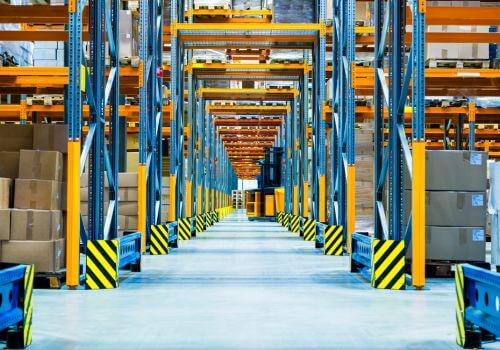
One of the most effective ways to reduce shipping costs is by placing inventory closer to customers. This is why many e-commerce companies use multiple fulfillment centers. By distributing inventory across strategic locations, businesses can ship products from the nearest warehouse instead of a single central location. This reduces the average shipping zone, which lowers costs and speeds up delivery times. Third-party logistics providers often offer distributed fulfillment networks specifically to help businesses optimize their shipping zones and improve operational efficiency.
Shipping Zones and Delivery Speed
Shipping zones also influence delivery speed. Lower zones typically mean faster delivery because the package travels a shorter distance. For example, a Zone 2 shipment may arrive in one or two days, while a Zone 7 shipment may take five days or longer, depending on the service level. Many businesses use this knowledge when setting delivery promises on their websites. By understanding zone transit times, companies can provide realistic shipping estimates and avoid disappointing customers with unexpected delays.
Zone Skipping Explained
Zone skipping is a logistics strategy where businesses transport bulk shipments closer to the destination region before handing them off to carriers for final delivery. Instead of shipping individual packages from a distant warehouse, companies consolidate shipments and move them to a regional hub. Once there, packages enter the carrier network at a lower zone. This approach reduces per-package shipping costs and often improves delivery speed. Zone skipping is commonly used by high-volume e-commerce companies looking to optimize last-mile delivery expenses.
Shipping Zone Strategies for Cost Reduction
Businesses can use several strategies to manage shipping zones effectively. One common approach is offering regional promotions to encourage orders from nearby customers. Another strategy involves negotiating carrier rates based on shipping volume. Companies also analyze order data to identify where most customers are located and then position inventory accordingly. Some businesses use hybrid shipping methods that combine postal services with private carriers to optimize zone costs. Careful analysis of shipping patterns often reveals opportunities to reduce logistics expenses significantly.
Shipping Zones and Free Shipping Offers
Free shipping can be a powerful marketing tool, but shipping zones must be considered carefully. Offering free shipping nationwide without understanding zone costs can quickly reduce profit margins. Many businesses set minimum order values for free shipping to offset zone costs. Others offer free shipping only within certain zones or regions. Some companies also build average shipping costs into product pricing to support free shipping programs. Understanding your zone distribution helps you offer competitive shipping promotions without harming profitability.
How Shipping Zones Affect Returns
Shipping zones also impact return logistics. Returns from distant zones can be expensive, especially if return shipping is free for customers. Businesses often address this by using regional return centers or return management platforms. Some companies also provide store credit instead of refunds to reduce reverse shipping costs. Understanding where returns originate helps businesses plan better reverse logistics strategies and control expenses associated with returns processing.
Technology and Shipping Zone Optimization
Modern logistics technology makes it easier than ever to analyze and optimize shipping zones. Shipping software can automatically compare carrier rates based on zones and package details. Warehouse management systems can route orders to the closest fulfillment center. Data analytics tools can identify shipping trends and cost patterns. Automation allows businesses to make smarter fulfillment decisions without manual calculations. As e-commerce continues to grow, technology-driven zone optimization is becoming a key competitive advantage.
Common Mistakes Businesses Make With Shipping Zones
Many businesses underestimate the importance of shipping zones when building their logistics strategy. A common mistake is using a single warehouse even when customers are spread across large geographic areas. Another mistake is offering flat-rate shipping without analyzing zone cost differences. Some businesses also fail to review carrier contracts regularly, missing opportunities to reduce zone-related costs. Avoiding these mistakes starts with understanding how shipping zones affect both operational costs and customer experience.
Shipping Zones and Customer Expectations
Today’s customers expect fast and affordable delivery. Shipping zones play a major role in whether you can meet these expectations. Customers located closer to your fulfillment centers often receive faster delivery, which improves satisfaction and repeat purchase rates. Businesses that clearly communicate delivery timelines based on zones often build more trust with customers. Transparency about shipping times helps avoid negative reviews related to delivery delays.
The Future of Shipping Zones
As e-commerce continues to expand, shipping zone strategies are evolving. More companies are investing in micro fulfillment centers located closer to urban areas. Regional distribution is becoming more common as businesses try to meet same-day and next-day delivery expectations. Carriers are also refining their zone models to support growing shipping volumes. In the future, businesses that actively manage shipping zones through data and technology will likely gain a strong advantage in both cost control and customer experience.
Conclusion
Shipping zones may seem like a simple logistics concept, but they have a major impact on shipping costs, delivery speed, and customer satisfaction. By understanding how zones are calculated and how they influence pricing, businesses can make smarter fulfillment decisions. Strategies like distributed inventory, zone skipping, and shipping software can help reduce costs while improving delivery performance. Whether you run a small online store or manage large-scale e-commerce operations, mastering shipping zones helps you build a more efficient and competitive shipping strategy. A strong understanding of zones ultimately leads to better logistics planning and stronger business growth.
Frequently Asked Questions
What is the highest shipping zone?
In the United States, domestic shipping zones usually range from Zone 1 to Zone 8, with Zone 8 representing the farthest distance within the country. Some carriers may also include additional zones for remote areas or international destinations. The highest zone typically means the package travels the longest distance from the origin. Because of this, Zone 8 shipments usually have the highest domestic shipping costs and the longest transit times compared to lower zones.
Do shipping zones change depending on the carrier?
Yes, shipping zones can vary slightly depending on the carrier because each company uses its own logistics network and zone charts. While the general idea remains consistent, the exact zone assignment between two ZIP codes may differ between carriers. This is why many businesses compare multiple carriers before choosing a shipping partner. Reviewing carrier zone charts can help companies identify the most cost-effective shipping options for their most common delivery regions.
Can businesses control which shipping zone they ship to?
Businesses cannot control where customers are located, but they can control how shipments are fulfilled. By using multiple warehouses or third-party fulfillment providers, companies can ship orders from locations closer to customers. This reduces the shipping zone and lowers costs. Some businesses also use zone skipping or regional distribution strategies. While the destination cannot be changed, the shipping origin can be optimized to improve efficiency.
Are shipping zones important for small e-commerce businesses?
Shipping zones are important for businesses of all sizes. Small e-commerce companies often feel the impact even more because shipping costs can represent a larger percentage of total expenses. Understanding zones helps small businesses choose better shipping strategies, set accurate pricing, and avoid losing money on distant shipments. Even simple steps like analyzing where most customers live can help small businesses make smarter fulfillment decisions and stay competitive.
How can I lower shipping costs related to shipping zones?
There are several ways to reduce shipping costs related to zones. Businesses can store inventory closer to customers, negotiate better carrier rates, use flat rate packaging when possible, and use shipping software to compare carrier pricing. Some companies also introduce minimum order thresholds for free shipping to balance costs. Regularly reviewing shipping data and adjusting fulfillment strategies can significantly reduce the financial impact of higher shipping zones.