In logistics, timing and efficiency are everything. One term you will often hear in transportation and warehousing is “live load.” If you are managing shipments, working with carriers, or running an e-commerce business, understanding live load can help you avoid delays, reduce costs, and improve your operations. In simple terms, live load refers to a type of loading and unloading process where a truck driver waits while cargo is loaded or unloaded. While it may sound straightforward, it plays a big role in scheduling, costs, and overall supply chain performance. In this guide, you will learn what live load means, how it works, its pros and cons, and when you should use it.
What Is Live Load in Logistics?
Live load in logistics means that a truck driver stays at the dock while the cargo is being loaded or unloaded. The process happens in real time, and the truck does not leave until the job is completed. This is different from drop and hook operations, where trailers are left behind for later handling.
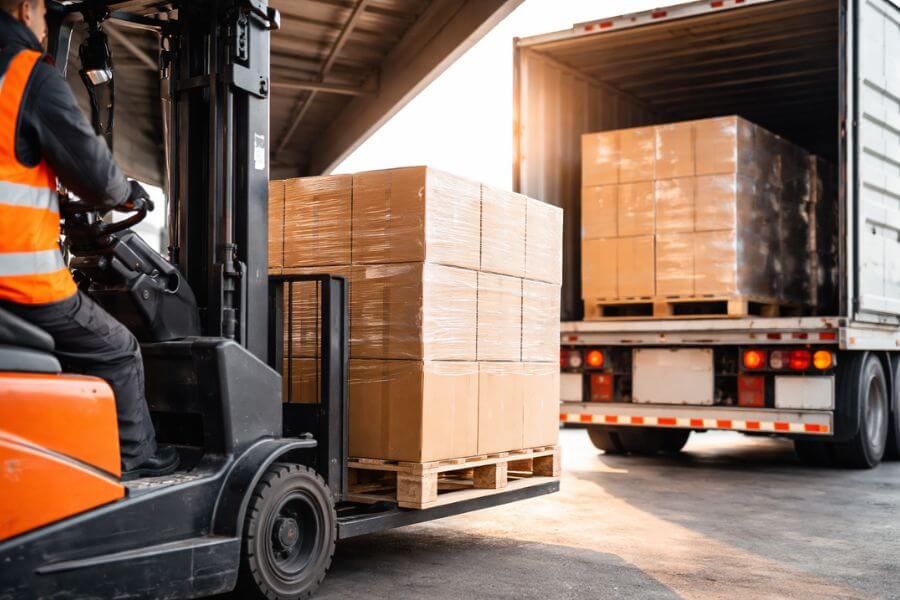
For example, if you are shipping goods from a warehouse, a truck arrives at your dock, and your team immediately starts loading the products. The driver waits until everything is loaded before leaving. The same idea applies when unloading at the destination.
How Live Load Works
The live load process is simple but requires coordination between all parties involved. Here is how it usually works:
- The carrier schedules a pickup or delivery time
- The truck arrives at the warehouse or facility
- The loading or unloading begins immediately
- The driver waits until the process is complete
- The truck departs once finished
Because the driver is waiting, timing is very important. Any delays during loading or unloading can lead to additional costs and scheduling issues.
Live Load vs Drop and Hook
To fully understand live load, it helps to compare it with drop and hook operations.
- Live Load: The driver stays and waits while the cargo is handled
- Drop and Hook: The driver drops off a trailer and picks up another one without waiting
Live load is more hands-on and time-sensitive. Drop and hook is faster for drivers but requires extra trailers and space. Each method has its place depending on your business needs.
Advantages of Live Load
Live load offers several benefits, especially for businesses that need control and flexibility during shipping.
- Better control: You can supervise the loading or unloading process in real time
- Less equipment needed: You do not need extra trailers for storage
- Improved security: Goods are handled immediately, reducing the risk of loss or damage
- Flexible handling: You can make last-minute adjustments if needed
If your shipments require careful handling or inspection, live load can be a good option.
Disadvantages of Live Load
While live load has its benefits, it also comes with challenges that you should consider.
- Driver wait time: Drivers must stay on site, which can lead to delays
- Extra fees: You may be charged detention fees if loading takes too long
- Scheduling pressure: Everything must be ready when the truck arrives
- Limited flexibility: Delays can disrupt the entire schedule
Because of these drawbacks, it is important to plan carefully when using live load.
What Are Detention Fees?
One key factor in live load operations is detention fees. These are charges that occur when a driver has to wait longer than the agreed-upon time for loading or unloading.
Most carriers allow a certain amount of free time, often around one to two hours. After that, fees start to apply. These costs can add up quickly, especially if delays happen often.
To avoid detention fees, you should:
- Prepare shipments before the truck arrives
- Ensure staff is ready to load or unload
- Communicate clearly with the carrier
When Should You Use Live Load?
Live load is not always the best option, but it works well in certain situations. You should consider using live load when:
- You have limited trailer space
- You need to inspect the goods during loading
- Your shipments are time-sensitive
- You want more control over the process
For smaller operations or businesses that do not have extra trailers, live load is often the most practical choice.
Best Practices for Managing Live Load
To make the most of live load, you need to focus on efficiency and communication. Here are some best practices you can follow:
- Plan ahead: Make sure your goods are packed and ready before the truck arrives
- Schedule accurately: Avoid overbooking docks or overlapping appointments
- Train your team: Ensure workers know how to load quickly and safely
- Communicate clearly: Keep drivers and carriers informed about timing
- Track performance: Monitor loading times and identify areas for improvement
By following these steps, you can reduce delays and improve your overall logistics performance.
Live Load in E-commerce and Fulfillment
If you run an e-commerce business or work with a fulfillment provider, live load is something you will likely encounter. It is commonly used for inbound inventory shipments and outbound deliveries to customers or distribution centers.
For example, when your supplier sends products to your warehouse, a live unload ensures that items are received and checked immediately. On the outbound side, live loading allows you to confirm that orders are correctly packed before shipping.
This level of control can improve accuracy and customer satisfaction, but it requires good coordination with your logistics partners.
Common Mistakes to Avoid
Many businesses run into problems with live load because of poor planning. Here are some common mistakes you should avoid:
- Not preparing shipments in advance
- Underestimating loading time
- Lack of communication with drivers
- Overbooking dock schedules
- Ignoring detention fees
By avoiding these mistakes, you can keep your operations smooth and cost-effective.
Conclusion
Live load is a simple but important concept in logistics that can have a big impact on your operations. It involves loading or unloading cargo while the driver waits, which requires careful planning and coordination. While it offers better control and security, it can also lead to delays and extra costs if not managed properly. By understanding how live load works and following best practices, you can make smarter decisions for your supply chain. Whether you are managing a warehouse, running an e-commerce business, or working with carriers, knowing when and how to use live load will help you improve efficiency and reduce unnecessary expenses.
Frequently Asked Questions
What is the main difference between live load and live unload?
The difference comes down to direction. Live load means cargo is being loaded onto the truck while the driver waits. Live unload means cargo is being removed from the truck while the driver waits. Both involve real-time handling.
How long does a live load usually take?
It depends on the shipment size and facility efficiency. Most carriers allow one to two hours of free time. Smaller loads may take less than an hour, while larger shipments can take longer.
Can live load be used for all types of cargo?
Yes, but it works best for general freight and shipments that need quick handling. Some specialized cargo may require different processes depending on safety or handling requirements.
Who is responsible for delays during live load?
Responsibility usually falls on the shipper or receiver if delays happen at their facility. This is why proper preparation and scheduling are important to avoid extra costs.
Is live load more expensive than drop and hook?
It can be, especially if delays lead to detention fees. However, it may save costs in other areas, such as reducing the need for extra trailers or improving shipment accuracy.