If you are involved in trucking, shipping, or supply chain operations, you have likely heard the term drop and hook. It is one of the most efficient methods used in modern logistics, especially in high-volume freight operations. Understanding how it works can help you save time, reduce costs, and improve delivery speed.
In simple terms, drop and hook allows drivers to drop off a loaded trailer and pick up another one without waiting for loading or unloading. This system is widely used by large carriers, distribution centers, and shippers who want to keep freight moving without delays.
In this guide, you will learn what drop and hook means, how it works, when to use it, and why it can be a game-changer for your logistics operations.
What Is Drop and Hook in Logistics?
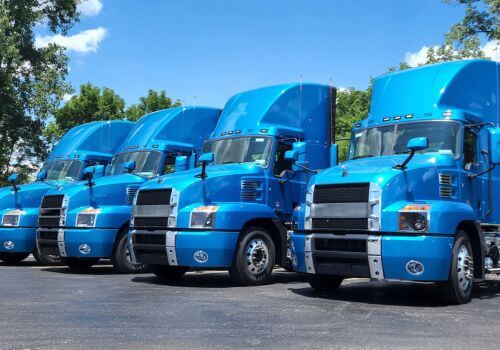
Drop and hook is a trucking method where a driver drops off a trailer at a facility and immediately hooks up to another preloaded trailer. Instead of waiting for warehouse staff to load or unload cargo, the driver simply switches trailers and continues the route.
- Drop: The driver leaves the current trailer at a designated location
- Hook: The driver picks up another trailer that is ready to go
This process removes waiting time, which is one of the biggest inefficiencies in trucking. It allows both drivers and warehouses to work more independently and efficiently.
How Drop and Hook Works
To understand drop and hook better, it helps to walk through a typical scenario. Imagine you are a truck driver arriving at a distribution center.
- You arrive with a loaded trailer
- You park the trailer in a designated drop yard
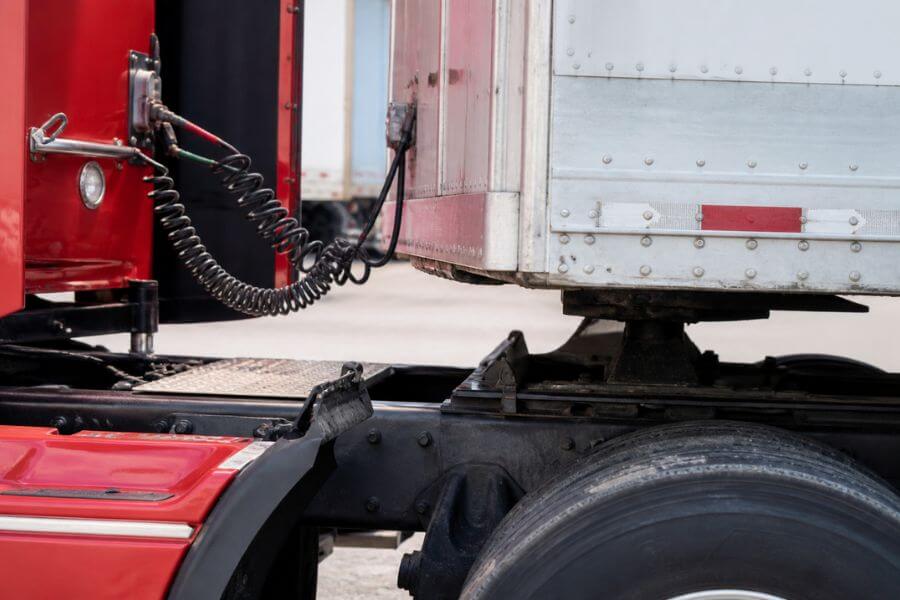
- You disconnect your tractor from the trailer
- You locate a preloaded trailer assigned to you
- You connect your tractor to the new trailer
- You complete safety checks and leave the facility
At the same time, warehouse staff unloads the dropped trailer when it fits their schedule. This separation of duties improves efficiency for both parties.
Drop and Hook vs Live Load
Drop and hook is often compared to live load or live unload, which is the traditional method in logistics.
Drop and Hook
- No waiting for loading or unloading
- Faster turnaround time
- Higher driver productivity
- Requires extra trailers and yard space
Live Load or Unload
- Driver waits while the cargo is handled
- Longer delays at warehouses
- Lower efficiency for drivers
- No need for extra trailers
If your goal is speed and efficiency, drop and hook is usually the better option.
Key Benefits of Drop and Hook
1. Reduced Waiting Time
One of the biggest advantages is the elimination of waiting time. Drivers do not need to sit at a dock for hours, which helps maximize driving hours and reduce idle time.
2. Increased Driver Productivity
When drivers spend less time waiting, they can complete more loads in a day or week. This increases overall productivity and can lead to higher earnings.
3. Faster Turnaround
Drop and hook allows trucks to get in and out of facilities quickly. This leads to faster delivery times and improved customer satisfaction.
4. Better Use of Warehouse Time
Warehouse teams can load and unload trailers based on their own schedule instead of rushing to meet driver arrival times. This improves efficiency inside the facility.
5. Reduced Congestion
Since trucks are not waiting in long lines, yards and loading docks become less crowded. This creates a smoother flow of traffic.
Challenges of Drop and Hook
1. Need for Extra Trailers
Drop and hook requires a larger trailer pool. Companies need spare trailers available for swapping, which can increase upfront costs.
2. Yard Space Requirements
Facilities must have enough space to store dropped trailers. Without proper yard management, operations can become disorganized.
3. Trailer Tracking
With multiple trailers moving in and out, tracking becomes more complex. Companies need systems to monitor trailer location and status.
4. Coordination Issues
If trailers are not ready when drivers arrive, the benefits of drop and hook are lost. Proper scheduling and communication are essential.
When to Use Drop and Hook
Drop and hook works best in certain situations. It is not always the right solution for every shipment.
- High-volume shipping operations
- Dedicated routes with frequent deliveries
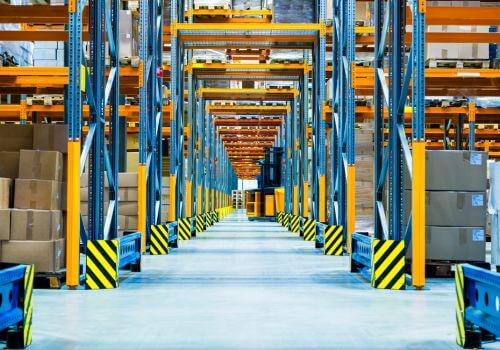
- Large distribution centers with yard space
- Time-sensitive freight
- Operations with consistent schedules
If your business fits these conditions, drop and hook can significantly improve efficiency.
Industries That Use Drop and Hook
Many industries rely on drop and hook to keep goods moving quickly. Some of the most common include:
- Retail and e-commerce distribution
- Food and beverage supply chains
- Manufacturing and automotive logistics
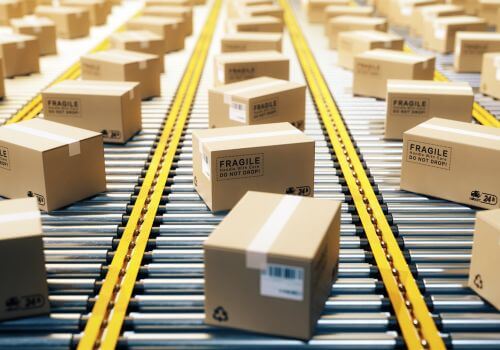
- Parcel and package delivery networks
These industries often handle large volumes and require fast turnaround times, making drop and hook an ideal solution.
Best Practices for Drop and Hook Operations
To get the most out of drop and hook, you need a well-planned system. Here are some best practices you can follow:
- Maintain a sufficient trailer pool to avoid shortages
- Use yard management systems for better tracking
- Clearly label and organize trailer locations
- Communicate schedules with drivers and warehouse teams
- Perform regular trailer inspections for safety
By following these steps, you can reduce errors and keep operations running smoothly.
Is Drop and Hook Right for Your Business?
Before switching to drop and hook, you should evaluate your operations carefully. Consider your shipment volume, available space, and budget.
If you are dealing with frequent delays, driver detention, or tight delivery schedules, drop and hook can provide a strong advantage. However, if your operation is small or irregular, the costs may outweigh the benefits.
Conclusion
Drop and hook is one of the most efficient methods in modern logistics. It allows you to reduce waiting time, improve driver productivity, and speed up deliveries. By separating driving from loading and unloading, you create a smoother and more flexible operation.
While it does require investment in trailers and yard space, the long-term benefits can be significant. If you are looking to optimize your logistics process, drop and hook is definitely worth considering.
Frequently Asked Questions
Is drop and hook more expensive than live load?
It can be more expensive upfront because you need extra trailers and yard space. However, it often saves money in the long run by improving efficiency and reducing delays.
Do all trucking companies use drop and hook?
No, not all companies use it. It is more common among large carriers and high-volume operations. Smaller companies may still rely on live load methods.
Can drop and hook reduce driver fatigue?
Yes, it can help reduce fatigue because drivers spend less time waiting and can plan their routes more efficiently. This leads to better time management and less stress.
What equipment is needed for drop and hook?
You need a sufficient number of trailers, a well-organized yard, and tracking systems. Proper maintenance tools and safety equipment are also important.
Is drop and hook suitable for long-distance hauling?
Yes, it works well for long-distance routes, especially when combined with relay systems. It helps keep freight moving without unnecessary stops.