In logistics, speed and efficiency are everything. If you are moving goods regularly, you are always looking for ways to reduce delays, cut costs, and keep operations running smoothly. One strategy that many companies use to improve efficiency is called drop trailer. While it may sound simple, this method can have a big impact on how your supply chain performs. In this guide, you will learn exactly what a drop trailer means, how it works, and why it can be a smart choice for your business.
What is a Drop Trailer in Logistics?
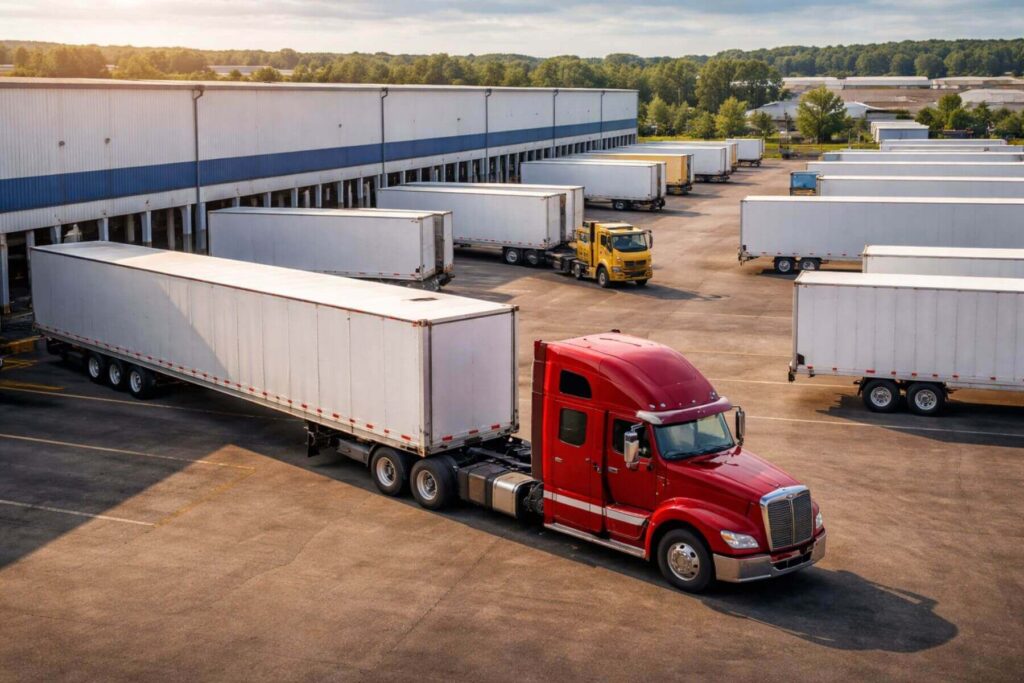
Drop trailer is a shipping method where a truck driver drops off a loaded trailer at a location and picks up a different trailer instead of waiting for loading or unloading. Instead of staying at the warehouse, the driver leaves the trailer behind and continues their route. This allows warehouse staff to load or unload the trailer at their own pace without holding up the driver.
This method is different from live loading, where the driver must wait while the trailer is being loaded or unloaded. A drop trailer helps reduce waiting time and keeps trucks moving, which is important in high-volume logistics operations.
How Drop Trailer Works
Understanding how a drop trailer works can help you decide if it fits your operation. The process is straightforward but requires planning and coordination.
- A driver arrives at a warehouse or distribution center with a loaded trailer
- The driver drops off the trailer in a designated yard or dock area
- The driver picks up an empty or preloaded trailer
- The warehouse team unloads or loads the dropped trailer later
This system allows both the driver and warehouse staff to work independently, which improves overall efficiency.
Benefits of Using a Drop Trailer
A drop trailer offers several advantages that can improve your logistics performance. If you are managing shipping operations, these benefits can make a noticeable difference.
- Reduced wait times: Drivers do not have to wait at loading docks, which saves time and increases productivity
- Better asset utilization: Trucks and drivers can complete more trips in less time
- Improved warehouse flexibility: Staff can load and unload trailers based on their schedule
- Lower detention costs: You avoid fees that come from delays at warehouses
- Increased efficiency: Overall operations run more smoothly with less downtime
Challenges of a Drop Trailer
While a drop trailer has many benefits, it also comes with some challenges that you should consider before using it.
- Space requirements: You need enough yard space to store trailers
- Trailer availability: You must have access to extra trailers for swapping
- Coordination complexity: Managing trailer movements requires careful planning
- Security concerns: Trailers left in yards may need monitoring to prevent theft
These challenges can be managed with proper systems and planning, but they are important to keep in mind.
Drop Trailer vs Live Load
To fully understand the drop trailer, it helps to compare it with the live load, which is the more traditional method.
- Drop trailer: Driver drops off trailer and leaves, warehouse handles loading later
- Live load: Driver waits while the trailer is loaded or unloaded
A drop trailer is usually faster for drivers, while a live load may be better for locations with limited space or fewer trailers. The right choice depends on your business needs and resources.
When Should You Use a Drop Trailer
A drop trailer is not always the best option for every situation. It works best in specific scenarios where efficiency and volume are priorities.
- High shipment volumes that require constant movement
- Warehouses with enough yard space
- Operations that want to reduce driver wait times
- Businesses that have access to multiple trailers
If your operation matches these conditions, a drop trailer can help you improve performance and reduce costs.
Industries That Use Drop Trailer
Many industries rely on drop trailers to keep their supply chains moving efficiently. You will often see this method used in sectors that handle large volumes of goods.
- Retail and e-commerce fulfillment
- Manufacturing and production
- Food and beverage distribution
- Third-party logistics providers
These industries benefit from faster turnaround times and more flexible warehouse operations.
Key Factors to Consider Before Using a Drop Trailer
Before you switch to a drop trailer system, there are a few important factors you should evaluate.
- Yard space: Make sure you have enough room to store trailers safely
- Trailer supply: Ensure you have access to extra trailers when needed
- Scheduling: Plan how trailers will be dropped off and picked up
- Security: Consider measures like cameras or gated access
- Cost: Compare the cost of additional trailers with the savings from reduced delays
Taking the time to plan these details can help you avoid problems and get the most value from the drop trailer.
How a Drop Trailer Improves Supply Chain Efficiency
A drop trailer plays a key role in improving supply chain efficiency. By reducing idle time and increasing flexibility, it helps businesses move goods faster and more reliably.
When drivers spend less time waiting, they can complete more deliveries. At the same time, warehouses can operate more smoothly because they are not rushed to load or unload trucks immediately. This balance leads to better performance across the entire supply chain.
Conclusion
Drop trailer is a simple but powerful logistics strategy that can help you improve efficiency, reduce delays, and optimize your operations. By allowing drivers to drop off trailers and move on, you can save time and make better use of your resources. While it requires proper planning, space, and coordination, the benefits often outweigh the challenges. If you are looking to streamline your logistics process, a drop trailer is definitely worth considering.
Frequently Asked Questions
What is the main purpose of a drop trailer in logistics?
The main purpose of a drop trailer is to reduce driver wait time and improve efficiency. By allowing drivers to drop off trailers and leave, operations become faster and more flexible.
Do all warehouses support drop trailers?
No, not all warehouses support a drop trailer. It requires enough yard space and proper systems to manage trailer movement. Smaller facilities may prefer live loading instead.
Is a drop trailer more cost-effective than a live load?
A drop trailer can be more cost-effective if it reduces delays and increases productivity. However, you may need to invest in extra trailers, so the overall cost depends on your operation.
How many trailers do you need for drop trailer operations?
You typically need more trailers than trucks to make a drop trailer work effectively. This allows drivers to swap trailers without waiting for loading or unloading.
Can small businesses use a drop trailer?
Yes, small businesses can use a drop trailer if they have enough space and volume. However, it is more common in larger operations where the benefits are more noticeable.