If you are looking to improve efficiency in your supply chain, you may have come across the term milk run in logistics. At first, the name might sound unusual, but it actually describes a smart and highly efficient delivery method that many companies use to reduce costs and streamline operations. Whether you run an e-commerce business, manage a warehouse, or simply want to understand logistics better, learning about milk runs can help you make better decisions. In this guide, you will learn what a milk run is, how it works, its benefits, challenges, and when it is the right choice for your business.
What Is a Milk Run in Logistics?
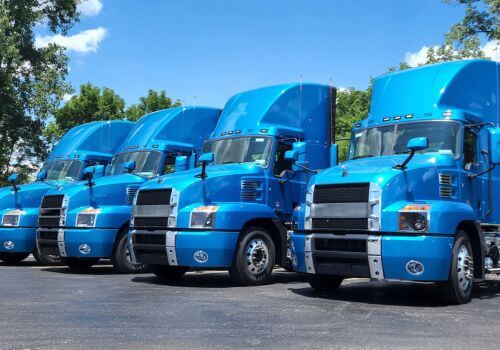
A milk run is a delivery method where a single vehicle follows a fixed route to pick up or deliver goods to multiple locations in one trip. Instead of sending separate trucks to each supplier or customer, you combine several stops into one planned route. The name comes from the traditional way milk was collected from farms, where a truck would visit multiple farms on a set schedule.
In logistics today, this method is widely used in industries like manufacturing, retail, and e-commerce. It is especially common in just-in-time systems, where timing and efficiency are critical.
How a Milk Run Works
Understanding how a milk run works is simple when you break it down. Instead of point-to-point deliveries, the route is carefully planned to include multiple stops. Here is how it typically works:
- A vehicle is assigned a fixed route
- It visits several suppliers or customers in sequence
- Goods are picked up, delivered, or both at each stop
- The vehicle returns to the starting point after completing the route
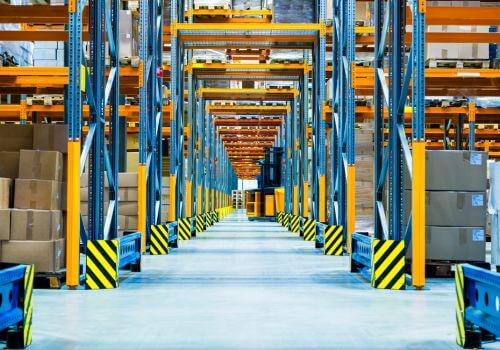
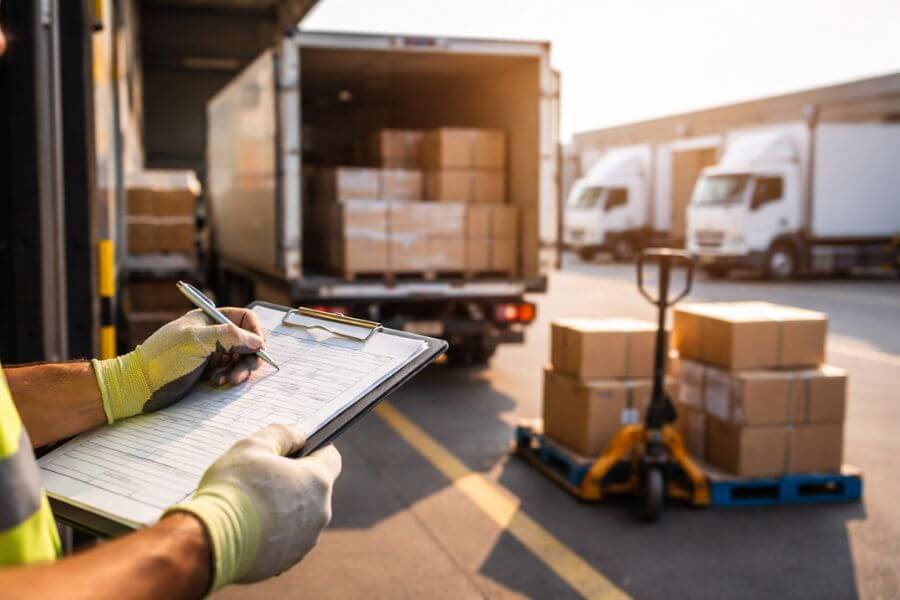
For example, if you run a warehouse, one truck can pick up inventory from five suppliers in one trip instead of sending five separate trucks. This reduces empty space in vehicles and improves overall efficiency.
Types of Milk Runs
There are different types of milk runs depending on your logistics needs. Choosing the right type helps you get the most value from this system.
- Inbound milk run: Goods are collected from multiple suppliers and delivered to a central warehouse or factory
- Outbound milk run: Products are delivered from a warehouse to multiple customers or retail locations
- Hybrid milk run: Combines both pickup and delivery in the same route
Each type can be customized based on your supply chain structure and delivery frequency.
Benefits of Milk Run in Logistics
A milk run system offers several advantages that can improve your logistics operations. If you are looking to reduce costs and increase efficiency, this method can be very effective.
- Lower transportation costs: Fewer trips mean reduced fuel and labor expenses
- Better vehicle utilization: Trucks carry more goods instead of running half empty
- Improved scheduling: Fixed routes make planning easier and more predictable
- Reduced inventory levels: Frequent pickups and deliveries support lean inventory systems
- Environmental benefits: Fewer trips help reduce emissions
These benefits make milk runs a popular choice for companies aiming to optimize their supply chains.
Challenges of Milk Run Logistics
While milk runs offer many benefits, they are not without challenges. You should consider these factors before implementing this system.
- Complex planning: Routes must be carefully designed to avoid delays
- Dependency on timing: Delays at one stop can affect the entire route
- Limited flexibility: Fixed routes may not adapt quickly to sudden changes in demand
- Coordination required: Suppliers and customers must follow strict schedules
If not managed properly, these challenges can reduce the effectiveness of your milk run system.
When Should You Use a Milk Run?
A milk run works best in certain situations. You should consider using this method if your operations match the following conditions:
- You have multiple suppliers or customers located close to each other
- You handle regular and predictable shipment volumes
- You want to reduce transportation costs and improve efficiency
- Your supply chain relies on frequent deliveries
If your shipments are irregular or spread across large distances, a milk run may not be the best option.
Milk Run vs Direct Shipping
It is important to understand how milk runs compare to direct shipping. Both methods have their own advantages depending on your business needs.
- Milk run: One vehicle serves multiple stops in a single trip, improving efficiency
- Direct shipping: One vehicle goes from one origin to one destination, offering faster delivery
If speed is your priority, direct shipping may be better. If cost and efficiency matter more, a milk run is often the smarter choice.
Real World Example of a Milk Run
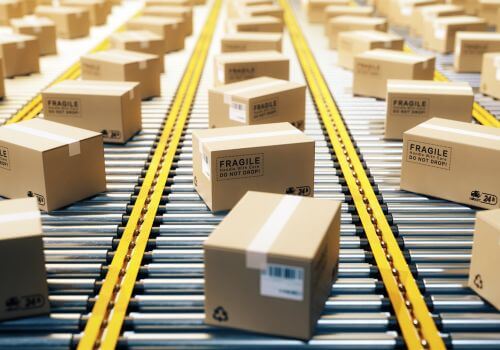
Imagine you operate an e-commerce fulfillment center. You source products from several local suppliers. Instead of arranging separate pickups, you schedule a daily milk run. One truck leaves your warehouse, visits each supplier, collects goods, and returns.
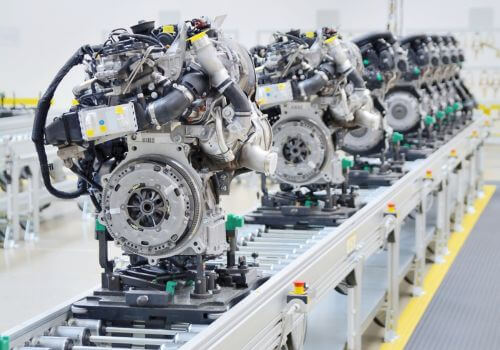
This approach reduces transportation costs, ensures regular inventory replenishment, and keeps your operations running smoothly. Many large manufacturers also use milk runs to deliver parts to assembly lines just in time.
How to Implement a Milk Run System
Setting up a milk run requires careful planning. Here are the key steps you should follow:
- Analyze your supply chain and identify potential routes
- Group suppliers or customers based on location
- Design efficient routes with minimal travel time
- Set fixed schedules for pickups and deliveries
- Coordinate with all parties involved
- Monitor performance and adjust routes when needed
Using route optimization tools and logistics software can make this process much easier and more accurate.
Conclusion
A milk run in logistics is a powerful strategy that helps you reduce costs, improve efficiency, and streamline your supply chain. By combining multiple pickups or deliveries into one route, you can make better use of your resources and keep operations running smoothly. However, success depends on proper planning, coordination, and consistent execution. If your business involves regular shipments and nearby locations, a milk run can be a smart and practical solution. By understanding how it works and when to use it, you can take your logistics operations to the next level.
Frequently Asked Questions
Is a milk run suitable for small businesses?
Yes, a milk run can work well for small businesses if you have multiple suppliers or customers in nearby locations. It helps reduce transportation costs and improves efficiency, especially if you handle regular shipments.
How often should a milk run be scheduled?
The frequency depends on your business needs. Many companies run daily or weekly milk runs. The key is to match the schedule with your inventory levels and demand patterns.
Can milk runs be used for long-distance deliveries?
Milk runs are more effective for shorter distances where multiple stops are close together. For long-distance deliveries, direct shipping is usually more practical.
Do milk runs require special software?
While not required, using route optimization or logistics software can greatly improve efficiency. It helps you plan routes, track deliveries, and adjust schedules when needed.
What industries benefit the most from milk runs?
Milk runs are commonly used in:
- Manufacturing
- Automotive supply chains
- Retail distribution
- E-commerce fulfillment
These industries benefit from regular shipments and efficient transportation systems.