If you sell products online today, chances are you are not relying on just one sales channel. Modern e-commerce businesses often sell through their own website, online marketplaces, social media platforms, and even physical stores. While this opens up more opportunities to reach customers, it also makes order fulfillment more complex. Managing inventory, processing orders, and shipping products across multiple platforms can quickly become overwhelming without the right system in place.
This is where multichannel fulfillment becomes important. Multichannel fulfillment helps businesses manage orders from different sales channels in one streamlined process. Whether you are a growing e-commerce brand or an established retailer, understanding how multichannel fulfillment works can help you improve efficiency, reduce errors, and deliver a better customer experience. In this guide, you will learn what multichannel fulfillment is, how it works, its benefits, challenges, and best practices for success.
What Is Multichannel Fulfillment?
Multichannel fulfillment is the process of managing and shipping orders from multiple sales channels using a unified fulfillment strategy. These channels may include your Shopify or WooCommerce store, marketplaces like Amazon and eBay, social commerce platforms, and even wholesale orders. Instead of handling each channel separately, multichannel fulfillment brings everything together into one coordinated system.
The main goal is to ensure that regardless of where a customer places an order, the fulfillment process remains fast, accurate, and consistent. This usually involves syncing inventory across platforms, centralizing order processing, and using fulfillment centers or third-party logistics providers to handle storage and shipping. When done correctly, multichannel fulfillment allows businesses to scale without increasing operational chaos.
How Multichannel Fulfillment Works
Multichannel fulfillment typically starts with integrating your sales channels into one order management system. This system collects orders from all platforms and sends them to your fulfillment operation. Inventory is tracked in real time, so when a product sells on one platform, the available stock is automatically updated everywhere else.
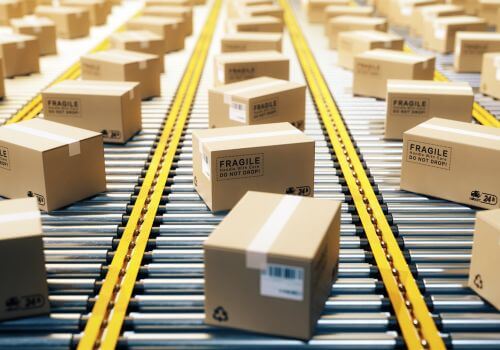
Once an order is received, the fulfillment process begins. This includes picking the product from inventory, packing it securely, generating shipping labels, and sending tracking information to the customer. Many businesses either manage this process in their own warehouse or outsource it to a fulfillment provider. The key factor is automation. Automation reduces manual work and helps prevent costly mistakes such as overselling or shipping delays.
Why Multichannel Selling Requires Multichannel Fulfillment
As e-commerce grows, customers expect to shop wherever it is most convenient for them. Some prefer buying directly from a brand website, while others trust marketplaces or social platforms. Selling across multiple channels increases visibility and revenue opportunities, but it also increases operational complexity.
Without multichannel fulfillment, businesses often face inventory mismatches, delayed shipments, and inconsistent customer experiences. For example, if inventory is not synced, you might sell the same product on two platforms even though only one unit is left. This can lead to canceled orders and unhappy customers. Multichannel fulfillment prevents these problems by ensuring that operations match the pace of modern e-commerce.
Key Components of a Multichannel Fulfillment System
Inventory Synchronization
One of the most important parts of multichannel fulfillment is inventory synchronization. This ensures your stock levels stay accurate across all platforms. Real-time syncing prevents overselling and helps businesses maintain trust with customers. It also helps with demand planning and purchasing decisions.
Order Management Software
Order management systems act as the central hub for multichannel fulfillment. They collect orders from different channels, organize them, and route them to the correct fulfillment location. This allows businesses to process orders quickly and efficiently without switching between multiple dashboards.
Warehouse Operations
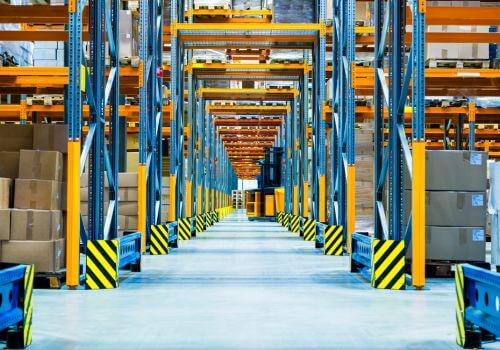
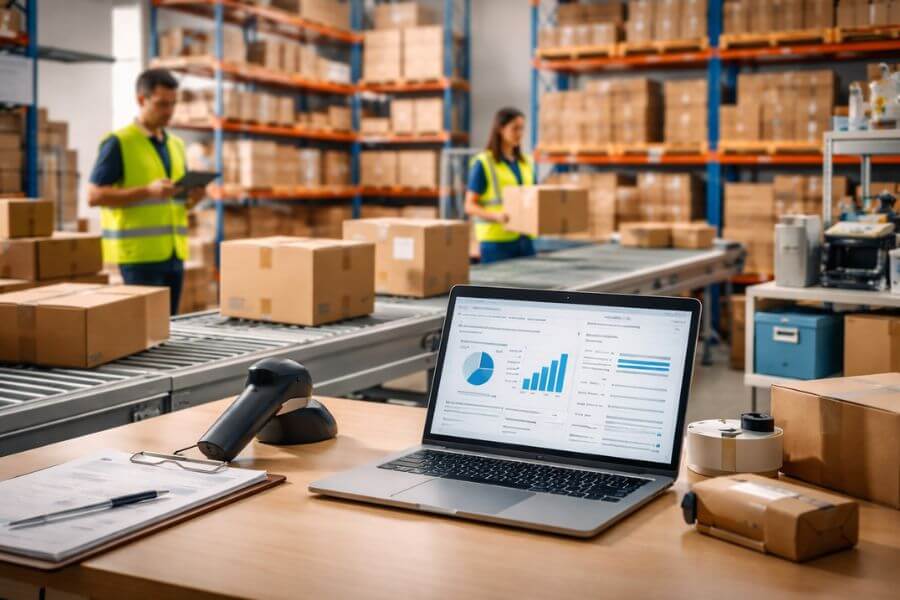
Efficient warehouse processes are essential for successful multichannel fulfillment. Organized storage, barcode scanning, and optimized picking routes can significantly reduce fulfillment time. A well-managed warehouse improves accuracy and ensures faster shipping times.
Shipping Integration
Shipping carriers must also be integrated into the fulfillment workflow. This allows businesses to compare rates, print labels, and track deliveries from one system. Providing customers with fast shipping and reliable tracking improves satisfaction and encourages repeat purchases.
Benefits of Multichannel Fulfillment
Increased Revenue Opportunities
By selling on multiple platforms, businesses can reach more customers and increase sales potential. Multichannel fulfillment makes it possible to support this growth without increasing operational stress. It allows businesses to expand their presence while maintaining consistent service quality.
Better Customer Experience
Customers expect fast shipping, accurate deliveries, and clear communication. Multichannel fulfillment helps businesses meet these expectations by standardizing fulfillment processes. This leads to fewer mistakes, faster deliveries, and better reviews.
Improved Inventory Visibility
Having a centralized view of inventory across all channels allows businesses to make smarter decisions. You can quickly identify best-selling products, slow-moving stock, and seasonal trends. This insight helps improve forecasting and reduce excess inventory.
Operational Efficiency
Automation reduces manual work and allows teams to focus on growth activities instead of repetitive tasks. By integrating systems and streamlining workflows, businesses can fulfill more orders with fewer resources.
Scalability
As your business grows, multichannel fulfillment makes it easier to handle increased order volume. Instead of rebuilding your processes, you can scale using the same infrastructure. This makes growth more predictable and manageable.
Common Challenges of Multichannel Fulfillment
Inventory Complexity
Managing inventory across multiple platforms can become complicated without proper tools. Businesses may struggle with stock discrepancies, delayed updates, or inaccurate reporting if systems are not properly connected.
Technology Integration
Connecting e-commerce platforms, marketplaces, and fulfillment systems requires technical setup. Choosing compatible software and ensuring smooth data flow is critical. Poor integration can lead to errors and inefficiencies.
Shipping Costs
Shipping from multiple channels may involve different customer expectations, such as faster delivery or free shipping. Balancing shipping speed and cost can be challenging. Businesses must carefully plan their logistics strategy to remain competitive while protecting margins.
Returns Management
Handling returns across multiple sales channels adds another layer of complexity. Each platform may have different return policies. Businesses need clear processes to inspect returned products, update inventory, and process refunds efficiently.
Multichannel Fulfillment vs Omnichannel Fulfillment
Although the terms are sometimes used interchangeably, multichannel and omnichannel fulfillment are slightly different. Multichannel fulfillment focuses on supporting multiple independent sales channels. Each channel may operate separately, but fulfillment processes are centralized.
Omnichannel fulfillment takes integration a step further by creating a fully connected customer experience. This might include options such as buy online and pick up in store, ship from store, or seamless returns across channels. While multichannel fulfillment focuses on operational efficiency, omnichannel fulfillment focuses on customer journey integration. Many businesses start with multichannel fulfillment and gradually move toward omnichannel strategies.
In-House Fulfillment vs. Third-Party Fulfillment Providers
In-House Fulfillment
Some businesses prefer to manage fulfillment internally. This provides full control over inventory, packaging, and shipping processes. In-house fulfillment can work well for smaller businesses or those with specialized products. However, it requires investment in warehouse space, staff, and technology.
Third-Party Logistics Providers
Many e-commerce brands partner with third-party logistics providers, often called 3PLs. These companies specialize in storage, picking, packing, and shipping orders. Using a 3PL allows businesses to focus on marketing and product development while logistics experts handle fulfillment. This is especially useful for companies experiencing rapid growth or international expansion.
How to Choose a Multichannel Fulfillment Partner
Technology Capabilities
Look for a fulfillment partner that integrates easily with your e-commerce platforms. Strong technology capabilities ensure smooth data flow and accurate reporting. This reduces manual work and improves efficiency.
Warehouse Locations
Fulfillment center locations affect shipping speed and cost. Providers with multiple warehouses can position inventory closer to customers. This helps reduce transit times and shipping expenses.
Scalability
Your fulfillment partner should be able to grow with your business. Make sure they can handle seasonal spikes, product launches, and long-term expansion.
Transparency
Clear pricing, reporting dashboards, and responsive customer support are important factors. A reliable partner should provide visibility into your operations and performance metrics.
Best Practices for Multichannel Fulfillment Success
Centralize Your Data
Keeping all your orders and inventory data in one system improves accuracy and efficiency. Centralization prevents confusion and helps teams make informed decisions.
Invest in Automation
Automation reduces human error and speeds up operations. Automated order routing, inventory updates, and shipping notifications can greatly improve performance.
Standardize Processes
Creating consistent workflows across all channels ensures reliable results. Standard operating procedures help maintain quality even as order volume increases.
Monitor Performance Metrics
Tracking metrics such as order accuracy, fulfillment speed, and return rates helps identify areas for improvement. Regular performance reviews support continuous improvement.
Plan for Returns
A clear returns process is essential for customer satisfaction. Make returns easy for customers while maintaining internal efficiency. Clear policies and streamlined processing help reduce operational strain.
Technology That Supports Multichannel Fulfillment
Several types of software support multichannel fulfillment operations. Warehouse management systems help organize storage and picking. Order management systems centralize order processing. Inventory management tools track stock levels. Shipping platforms manage carrier selection and tracking.
When these systems are connected, businesses gain full visibility into their operations. This allows better forecasting, faster decision-making, and improved customer communication. Technology is the backbone of any successful multichannel fulfillment strategy.
The Future of Multichannel Fulfillment
Multichannel fulfillment continues to evolve as e-commerce grows. Customers expect faster shipping, flexible delivery options, and easy returns. To meet these expectations, businesses are investing in distributed inventory, micro fulfillment centers, and smarter automation.
Artificial intelligence is also playing a growing role. AI tools can help forecast demand, optimize inventory placement, and predict shipping delays. Sustainability is another focus area. Many companies are working to reduce packaging waste and improve transportation efficiency.
Businesses that adapt to these trends will be better positioned to compete in the future. Multichannel fulfillment is no longer optional. It is becoming a basic requirement for e-commerce success.
Conclusion
Multichannel fulfillment is an essential strategy for any e-commerce business selling across multiple platforms. By centralizing operations, syncing inventory, and streamlining shipping processes, businesses can reduce complexity and improve customer satisfaction. While managing multiple sales channels can seem challenging, the right systems and partners can make the process much more manageable.
Whether you choose to handle fulfillment internally or partner with a logistics provider, the key is building a system that supports growth. Investing in technology, automation, and efficient workflows will help your business scale without sacrificing quality. As e-commerce continues to evolve, businesses that master multichannel fulfillment will be better equipped to deliver fast, accurate, and reliable service across every sales channel.
Frequently Asked Questions
What is the difference between multichannel fulfillment and e-commerce fulfillment?
E-commerce fulfillment refers to the general process of storing, packing, and shipping online orders. Multichannel fulfillment is more specific. It focuses on managing fulfillment for orders coming from multiple sales platforms at the same time. While all multichannel fulfillment is e-commerce fulfillment, not all e-commerce fulfillment involves multiple channels.
Is multichannel fulfillment only for large businesses?
No. Small and medium-sized businesses can benefit from multichannel fulfillment as well. Even businesses selling on just two platforms can improve efficiency by centralizing fulfillment processes. Starting early with good systems makes it easier to grow without major operational changes later.
Can multichannel fulfillment reduce shipping times?
Yes. When inventory is strategically placed in multiple warehouse locations or managed through a fulfillment partner, businesses can ship products from locations closer to customers. This reduces delivery times and often lowers shipping costs while improving customer satisfaction.
How does multichannel fulfillment handle returns?
Returns are usually processed through a centralized system. Returned products are inspected, restocked if possible, and refunds are issued based on the sales channel policy. Having a clear process ensures returns are handled quickly, and inventory records remain accurate.
What should I look for in multichannel fulfillment software?
Key features to look for include inventory synchronization, order management, shipping integration, reporting tools, and platform compatibility. Good software should reduce manual work, provide clear visibility, and support your business as it grows.