Inventory management is one of the most important parts of running a successful business. Whether you operate an e-commerce store, manage a warehouse, or handle retail operations, you always face one big challenge: making sure you never run out of products while also avoiding too much excess inventory. This is where buffer stock becomes essential. Buffer stock acts as a safety net that protects your business from unexpected demand changes, supplier delays, or logistics disruptions. Without it, even a small delay can lead to stockouts, unhappy customers, and lost revenue. With it, your operations become more stable and predictable. In this guide, you will learn what buffer stock is, why it matters, how to calculate it, and how businesses use it to create more reliable supply chains.
What Is Buffer Stock?
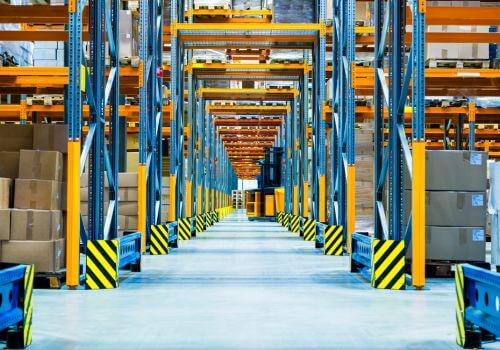
Buffer stock, sometimes called safety stock, refers to extra inventory that businesses keep on hand to protect against uncertainty. This uncertainty may include supplier delays, sudden spikes in customer demand, transportation problems, or forecasting errors. Instead of operating with just enough inventory to meet expected demand, companies maintain additional stock as a cushion. This ensures they can continue fulfilling orders even when things do not go as planned. Buffer stock is not meant to be sold under normal conditions. Instead, it is reserved for unexpected situations. Think of it like an emergency reserve. When everything runs smoothly, it stays untouched. When problems occur, it prevents disruption.
Why Buffer Stock Is Important
Businesses operate in environments where uncertainty is unavoidable. Demand can increase without warning. Suppliers may face production delays. Shipping carriers may experience disruptions. Without a buffer stock, these common risks can quickly turn into major operational problems. Maintaining buffer inventory helps companies reduce risk and maintain customer satisfaction. Customers expect fast and reliable fulfillment. If a product is out of stock, many customers will simply buy from competitors. Buffer stock helps protect your reputation by ensuring availability. It also reduces stress on operations teams because they are not constantly reacting to shortages. In competitive markets, consistent availability often becomes a major advantage.
Common Causes of Stock Shortages
Understanding why shortages happen helps explain why buffer stock is necessary. One major cause is inaccurate demand forecasting. Even with advanced tools, predicting demand perfectly is difficult. Seasonal trends, promotions, and viral social media exposure can suddenly increase demand. Supplier reliability is another factor. Manufacturing delays, quality problems, or raw material shortages can slow replenishment. Transportation issues also play a role. Weather events, port congestion, and customs delays can affect delivery schedules. Internal errors, such as inventory miscounts or system issues, can also cause problems. Buffer stock exists because these risks cannot be eliminated completely.
Buffer Stock vs Safety Stock
The terms buffer stock and safety stock are often used interchangeably. In most business environments, they mean the same thing. Both refer to extra inventory kept to reduce risk. However, some companies make small distinctions. In certain cases, safety stock refers specifically to inventory calculated using statistical models, while buffer stock may refer more generally to extra stock held as protection. In practical use, the difference rarely matters. The main idea remains the same. Both concepts focus on protecting operations from uncertainty and maintaining consistent product availability.
How Buffer Stock Works in Real Operations
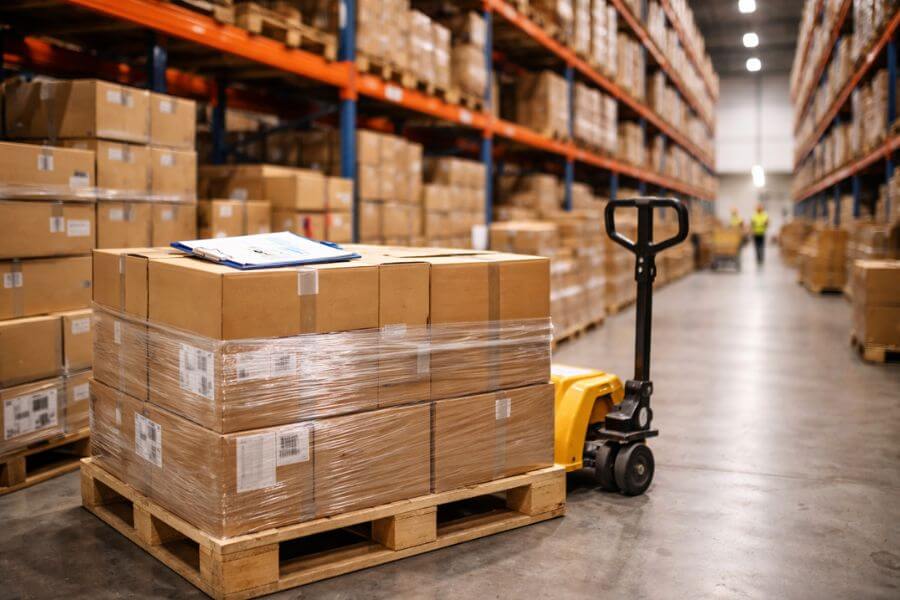
Imagine an e-commerce company that sells 100 units of a product per week and receives new inventory every two weeks. Without a buffer stock, the company might only keep 200 units. But if shipping is delayed by just a few days or demand increases slightly, the company could run out of stock. By keeping an additional 50 or 100 units as buffer stock, the company creates a safety margin. This margin allows operations to continue smoothly even when problems occur. Once new inventory arrives, the buffer level is restored. This approach creates stability and prevents emergency situations.
Benefits of Maintaining Buffer Stock
Buffer stock provides several important advantages. First, it protects customer experience. Customers who can always find products available are more likely to trust your brand. Second, it improves operational stability. Teams spend less time reacting to urgent shortages and more time focusing on efficiency improvements. Third, it reduces revenue loss caused by stockouts. Fourth, it provides flexibility during promotions or seasonal demand increases. Finally, it improves relationships with sales teams because they can sell confidently without worrying about availability problems. For growing businesses, these benefits often outweigh the cost of holding extra inventory.
Disadvantages of Buffer Stock
While buffer stock provides protection, it also comes with costs. Holding extra inventory requires storage space. Warehousing costs can increase if too much buffer stock is maintained. There is also the risk of obsolete inventory. Products with short life cycles or changing trends may lose value if they sit too long. Cash flow is another consideration. Money tied up in extra inventory cannot be used elsewhere. There is also a risk of overconfidence. Businesses may rely too heavily on buffer stock instead of improving forecasting or supplier reliability. The goal should always be balance, not excess.
How to Calculate Buffer Stock
There are several ways to calculate buffer stock depending on how complex your operations are. A simple method involves looking at maximum demand, average demand, and lead time. A basic formula many businesses use is: buffer stock equals maximum daily usage multiplied by maximum lead time, minus average daily usage multiplied by average lead time. This method creates a reasonable estimate of how much extra inventory is needed. More advanced companies use statistical models that consider demand variability and service level targets. Regardless of method, the goal is to protect against uncertainty without holding unnecessary excess.
Factors That Influence Buffer Stock Levels
Several factors determine how much buffer stock a business should maintain. Demand variability is one of the most important. Products with unpredictable demand require higher buffers. Supplier reliability also matters. If suppliers consistently deliver on time, lower buffer levels may be acceptable. Lead time length also plays a role. Longer lead times increase risk and require larger buffers. Product value matters as well. High-value items may require smaller buffers to reduce financial risk. Customer expectations also influence decisions. Businesses promising fast shipping usually maintain higher safety stock levels to meet expectations.
Buffer Stock in E-commerce Fulfillment
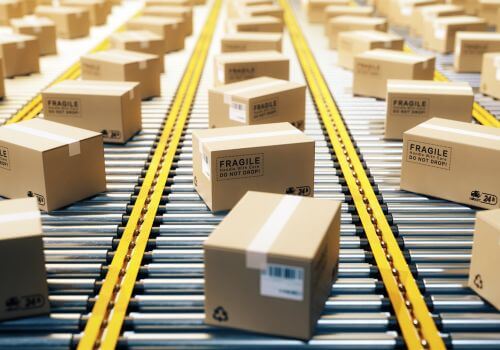
In e-commerce, buffer stock plays a major role in maintaining service levels. Online shoppers expect fast shipping and real-time inventory accuracy. Running out of stock can lead to negative reviews and lost repeat customers. Fulfillment providers often recommend buffer stock to ensure service level agreements are met. This is especially important during peak seasons such as holidays or major sales events. E-commerce companies also use buffer stock to support marketplace requirements, where inventory availability affects search ranking and visibility. Maintaining adequate buffer inventory often leads to better conversion rates and customer satisfaction.
Buffer Stock in Manufacturing
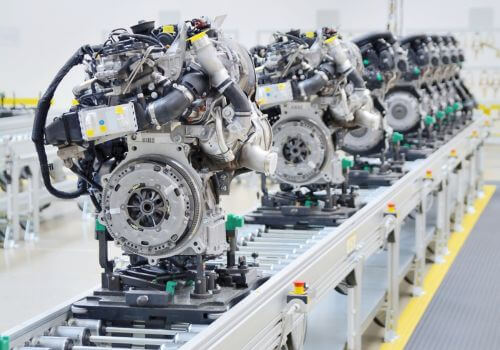
Manufacturers also rely heavily on buffer stock. Production lines depend on consistent material availability. If one component is missing, the entire production process may stop. This is why many manufacturers maintain a buffer stock of critical parts. This helps prevent costly downtime. In just-in-time manufacturing environments, companies try to reduce inventory while still maintaining small buffers for critical materials. The goal is to balance efficiency with reliability. Even highly optimized manufacturing systems usually maintain some buffer inventory because the complete elimination of risk is unrealistic.
Buffer Stock and Demand Forecasting
Buffer stock and forecasting work together. Better forecasting reduces the amount of buffer stock needed. Poor forecasting increases reliance on buffer inventory. Businesses that invest in demand planning tools often find they can reduce inventory costs while maintaining service levels. Forecasting should consider historical trends, seasonality, promotions, and market conditions. Even with advanced forecasting, some level of uncertainty remains. This is why buffer stock remains important even in highly data-driven organizations. It provides protection against the unexpected.
Technology and Buffer Stock Optimization
Modern inventory systems help businesses manage buffer stock more effectively. Inventory management software can track demand patterns and recommend optimal safety levels. Warehouse management systems provide real-time inventory visibility. Advanced analytics tools can simulate different demand scenarios. Some companies use artificial intelligence to adjust buffer levels dynamically based on changing conditions. Technology helps reduce guesswork and improve decision-making. Businesses that adopt these tools often achieve a better balance between availability and cost.
Best Practices for Managing Buffer Stock
Managing buffer stock effectively requires regular review. Businesses should not set buffer levels once and forget them. Demand patterns change. Supplier performance changes. Market conditions change. Regular analysis ensures buffer levels remain appropriate. Companies should also categorize inventory by importance. Critical products may require higher buffers. Slow-moving products may require smaller ones. Clear communication between procurement, sales, and operations teams is also important. When everyone understands the buffer strategy, decision-making becomes more consistent.
How to Reduce the Need for Large Buffer Stock
While buffer stock is necessary, businesses often try to reduce how much they need. Improving supplier relationships is one approach. Reliable suppliers reduce uncertainty. Shorter lead times also reduce buffer requirements. Improving demand forecasting also helps. Better inventory accuracy reduces the risk of unexpected shortages. Diversifying suppliers can also reduce risk. If one supplier fails, another can provide backup. Improving internal processes, such as cycle counting, also helps ensure inventory data remains accurate. The goal is not to eliminate buffer stock but to reduce dependency on large buffers.
Industries That Depend Heavily on Buffer Stock
Some industries rely more heavily on buffer stock than others. Retail businesses depend on it to prevent empty shelves. Healthcare providers maintain a buffer stock of critical medical supplies. Food distributors use it to manage supply fluctuations. Automotive manufacturers rely on it for parts availability. E-commerce companies depend on it to maintain fulfillment speed. Any industry where availability matters tends to use buffer stock as part of its risk management strategy. The more critical product availability becomes, the more important buffer stock becomes.
Buffer Stock vs Reorder Point
Buffer stock is closely related to reorder point planning. The reorder point determines when new inventory should be ordered. Buffer stock helps determine how much protection exists between placing an order and receiving it. Together, these concepts create a complete inventory control system. The reorder point ensures replenishment starts early enough. Buffer stock ensures operations continue if replenishment is delayed. Businesses that manage both effectively usually experience fewer stockouts and smoother operations.
Financial Impact of Buffer Stock
Buffer stock affects financial planning because inventory represents capital. Finance teams often evaluate inventory turnover and carrying costs. While buffer stock increases carrying costs, it also protects revenue by preventing lost sales. Businesses must evaluate this tradeoff carefully. The right balance depends on margin structure, demand volatility, and service expectations. Companies with high margins may justify higher buffers. Businesses with tight margins may focus on efficiency while maintaining minimal protection. Financial analysis helps determine the right balance.
Conclusion
Buffer stock is one of the most practical tools businesses use to manage uncertainty. It provides protection against supply disruptions, demand fluctuations, and operational risks. While it does require investment and careful management, the benefits often outweigh the costs. Companies that maintain appropriate buffer levels can deliver better customer experiences, protect revenue, and operate with greater confidence. The key is balance. Too little buffer stock increases risk. Too much increases the cost. By understanding demand patterns, supplier performance, and operational needs, businesses can find the right level. In modern supply chains, buffer stock remains a simple but powerful strategy for maintaining stability and reliability.
Frequently Asked Questions
How is buffer stock different from regular inventory?
Regular inventory is the stock you expect to sell under normal conditions. Buffer stock is extra inventory kept specifically to handle unexpected situations. Regular inventory moves according to forecasts, while buffer stock acts as protection against uncertainty. Ideally, buffer stock is only used when needed and then replenished. Together, they help businesses balance efficiency with reliability and prevent disruptions caused by supply or demand changes.
How often should buffer stock levels be reviewed?
Buffer stock levels should be reviewed regularly, often quarterly or whenever major business changes occur. If demand patterns change, suppliers change, or new products are introduced, buffer requirements may also change. Seasonal businesses may review buffer levels more frequently before peak periods. Regular review helps ensure businesses are not holding too much or too little extra inventory. Consistent monitoring helps maintain the right balance.
Can small businesses benefit from buffer stock?
Yes, small businesses often benefit greatly from buffer stock because they may be more vulnerable to disruptions. A single delayed shipment can impact sales significantly. Maintaining a small safety buffer can help small companies maintain customer trust and avoid missed opportunities. Even a limited buffer inventory can provide meaningful protection. Small businesses should focus on their most important products when deciding where to maintain extra stock.
Does buffer stock increase warehouse costs?
Yes, buffer stock can increase storage and handling costs because it requires additional space. However, many businesses view this as a necessary investment to avoid larger losses caused by stockouts. The cost of losing customers or missing sales opportunities may be higher than the cost of storing extra inventory. Smart planning helps companies maintain enough buffer stock without creating unnecessary storage expenses.
What is the biggest mistake companies make with buffer stock?
One of the biggest mistakes is setting buffer levels without reviewing them regularly. Businesses sometimes set safety stock once and never adjust it as conditions change. This can lead to excess inventory or unexpected shortages. Another mistake is relying only on buffer stock instead of improving forecasting and supplier management. Buffer stock should support good planning, not replace it. Continuous improvement leads to the best results.