Throughput is one of the most important performance indicators in logistics, yet many businesses misunderstand what it actually measures. If you operate a warehouse, manage fulfillment operations, or run an e-commerce business, understanding throughput can help you improve efficiency, reduce costs, and deliver faster to customers. Simply put, throughput measures how much product moves through your logistics operation during a specific period of time. This could mean orders shipped per day, pallets processed per hour, or units picked per shift. The higher your throughput, the more productive your operation becomes. However, increasing throughput is not just about working faster. It requires better processes, smarter layout planning, and effective use of technology. In this guide, you will learn what throughput means in logistics, why it matters, how it is measured, and practical strategies you can use to improve it.
What Is Throughput in Logistics
Throughput in logistics refers to the amount of goods that move through a system within a defined timeframe. This system can be a warehouse, distribution center, fulfillment center, or even an entire supply chain. For example, a warehouse might measure throughput by counting how many orders it ships per day. A receiving department might measure how many pallets are processed each hour. In fulfillment operations, throughput often connects directly to customer satisfaction because faster processing usually leads to faster delivery. Unlike inventory levels, which measure how much stock you have, throughput measures how efficiently your operation moves that stock. A warehouse with high inventory but low throughput may be inefficient, while a warehouse with balanced inventory and strong throughput usually operates smoothly. Understanding this difference helps logistics managers focus on flow rather than just storage.
Why Throughput Matters in Supply Chain Operations
Throughput directly impacts how well your logistics operation performs. High throughput means your processes are efficient, your workflows are optimized, and your team can handle demand without delays. Low throughput often signals bottlenecks, poor layout design, staffing issues, or outdated processes. For e-commerce businesses, especially, throughput determines how many orders you can fulfill during peak seasons. If your operation cannot handle increased volume, you risk shipping delays and unhappy customers. Throughput also affects profitability because efficient operations reduce labor costs per order and improve resource utilization. When companies improve throughput, they often discover they can grow without immediately expanding warehouse space. This makes throughput optimization one of the most cost-effective ways to scale logistics operations.
How Throughput Is Different From Capacity
Many people confuse throughput with capacity, but they are not the same. Capacity refers to the maximum volume a system could handle under ideal conditions. Throughput measures what actually moves through the system in real conditions. For example, a warehouse might have the capacity to process 10,000 orders per day, but if it only processes 6,000 orders due to staffing limitations or inefficient workflows, the throughput is 6,000. This difference highlights operational gaps. Improving throughput often involves identifying why actual performance falls short of potential capacity. Common reasons include inefficient picking routes, slow packing processes, inventory misplacement, or communication gaps between departments. By focusing on throughput rather than just theoretical capacity, logistics managers can make practical improvements that lead to measurable performance gains.
How to Calculate Throughput in Logistics
Throughput is usually calculated using a simple formula. You divide the total number of units processed by the time it takes to process them. For example, if a warehouse ships 8,000 orders in an 8-hour shift, the throughput is 1,000 orders per hour. Some operations track throughput per employee to measure productivity, while others track throughput per workstation or per process. The exact formula may vary depending on what you want to measure. For example, receiving throughput might track pallets unloaded per hour, while picking throughput might track items picked per hour. The key is consistency. Tracking the same metrics over time helps you identify trends and improvements. Modern warehouse management systems often track throughput automatically, allowing managers to see performance data in real time and react quickly to operational slowdowns.
Key Factors That Affect Throughput
Several factors influence throughput in logistics operations. Warehouse layout is one of the biggest factors. A poorly designed layout can increase travel time and reduce productivity. Inventory organization also plays a major role. If items are difficult to find or frequently misplaced, workers spend more time searching and less time processing orders. Labor management is another major factor. Proper staffing levels and effective training can significantly improve throughput. Technology also affects throughput. Automation tools such as barcode scanners, warehouse management systems, and picking technology help reduce errors and speed up processes. Equipment reliability matters as well. Downtime caused by equipment failure can quickly reduce throughput. Finally, process design plays a critical role. Clear workflows, standardized procedures, and efficient handoffs between departments all contribute to smoother operations.
Common Throughput Bottlenecks in Warehouses
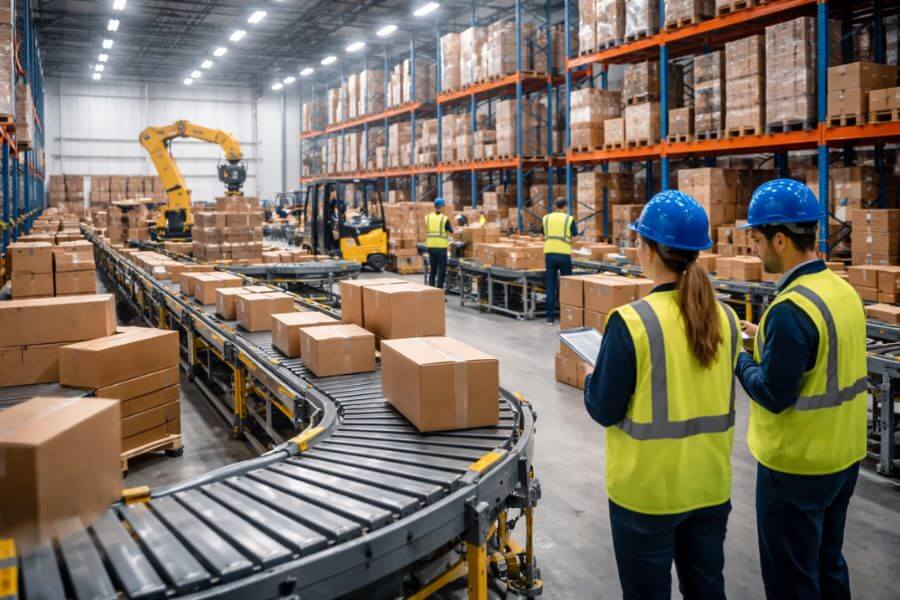
Throughput problems often come from bottlenecks. A bottleneck occurs when one part of the operation slows down the entire process. For example, if picking is fast but packing is slow, orders will pile up at the packing stations. Similarly, slow receiving can delay inventory availability, which affects order fulfillment. Manual processes often become bottlenecks when order volumes increase. Paper-based systems or outdated software can also create delays. Poor slotting strategies may force workers to travel long distances for popular items, slowing picking speed. Identifying bottlenecks requires observing workflows and analyzing data. Many warehouses use performance dashboards to track where delays occur. Once a bottleneck is identified, solutions may include adding staff, redesigning workflows, introducing automation, or reorganizing inventory placement.
How Warehouse Layout Impacts Throughput
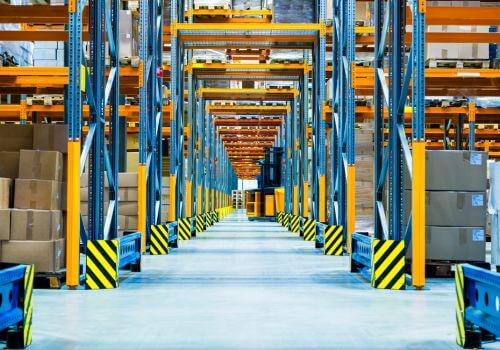
Warehouse layout directly affects how quickly goods move through a facility. A well-designed warehouse minimizes unnecessary movement and supports smooth product flow. For example, fast-moving products should be placed closer to packing stations to reduce travel time. Clear pathways and logical zoning help workers move efficiently. Cross-docking areas can also improve throughput by reducing storage time for products that need to move quickly. Some warehouses use flow-based layouts where receiving, storage, picking, packing, and shipping follow a natural sequence. This reduces congestion and confusion. Regular layout reviews help ensure your design still supports your current order volume and product mix. As businesses grow, layouts that once worked well may become inefficient. Continuous improvement helps maintain strong throughput performance.
The Role of Technology in Improving Throughput
Technology plays a major role in improving throughput. Warehouse management systems help coordinate inventory, orders, and workflows. Barcode scanning reduces manual data entry and improves accuracy. Automation technologies such as conveyor systems, automated storage systems, and sorting machines help move products faster. Voice-picking systems and mobile scanning devices allow workers to process orders more efficiently. Data analytics tools also help managers identify trends and inefficiencies. For example, analytics might reveal that certain hours experience slower throughput due to staffing gaps. Technology does not replace workers but helps them perform tasks more efficiently. Even small improvements, such as better dashboards or mobile tools, can create noticeable throughput gains over time.
Labor Management and Throughput Performance
Employees are at the center of logistics throughput. Well-trained staff who understand processes can maintain steady performance even during busy periods. Training should focus not only on speed but also on accuracy because errors create rework that reduces throughput. Clear performance expectations also help. Many warehouses track productivity metrics such as picks per hour or orders packed per hour. Incentive programs sometimes reward teams for meeting throughput goals while maintaining quality standards. Scheduling also affects throughput. Having too few workers during peak hours can create delays, while having too many during slow periods increases costs. Workforce planning tools help balance staffing levels with expected demand. Investing in employee engagement also matters because motivated workers tend to maintain higher productivity levels.
How Automation Changes Throughput Potential
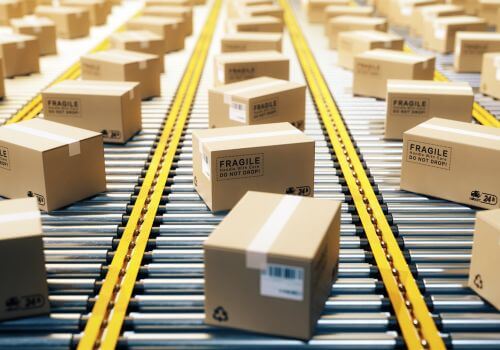
Automation can significantly increase throughput by reducing manual steps and improving consistency. For example, automated sortation systems can process thousands of packages per hour with minimal errors. Robotic picking systems can assist workers by bringing products to them instead of requiring long travel distances. Automated labeling and packaging machines can also reduce processing time. However, automation requires careful planning. Not every operation needs large-scale robotics. Sometimes, partial automation, such as conveyor belts or pick-to-light systems, provides strong returns. Businesses should evaluate their order volume, product variety, and growth plans before investing. When implemented correctly, automation improves both throughput and accuracy, creating long-term operational advantages.
Throughput vs Cycle Time vs Lead Time
Throughput often appears alongside other logistics metrics such as cycle time and lead time. While related, they measure different things. Throughput measures volume over time. Cycle time measures how long it takes to complete a specific process, such as picking an order. Lead time measures the total time from order placement to delivery. Improving throughput often helps reduce cycle time because faster processes usually complete tasks more quickly. However, improving throughput does not automatically reduce lead time if transportation delays exist. Understanding how these metrics work together helps logistics managers create balanced performance strategies. Focusing on only one metric without considering the others can lead to incomplete improvements.
Best Practices to Improve Throughput
Improving throughput requires a combination of process improvements, technology adoption, and operational discipline. One effective practice is continuous process review. Regularly evaluating workflows helps identify inefficiencies. Another best practice is inventory slotting optimization. Placing popular items in easily accessible locations reduces picking time. Standardizing processes also improves performance because workers spend less time deciding how to complete tasks. Clear visual management systems help teams quickly understand priorities. Preventive maintenance programs also support throughput by reducing equipment downtime. Another important strategy is demand forecasting. Understanding expected order volume helps managers prepare staffing and resources in advance. Small improvements across multiple areas often produce the biggest throughput gains.
How Throughput Impacts Customer Satisfaction
Customers may not know the term throughput, but they experience its effects. Fast order processing leads to faster shipping. Accurate processing reduces returns and complaints. When throughput is low, delays often follow. Customers may experience backorders or late deliveries. In competitive e-commerce markets, fulfillment speed often becomes a key differentiator. Businesses that maintain strong throughput can offer faster shipping options and meet delivery promises more consistently. This builds trust and encourages repeat purchases. Throughput also affects communication. When operations run smoothly, customer service teams spend less time resolving fulfillment issues. This allows companies to focus more on growth and customer experience rather than damage control.
Measuring Throughput for Continuous Improvement
Tracking throughput consistently allows businesses to improve over time. Many logistics operations use key performance indicators to monitor throughput daily, weekly, and monthly. Comparing historical data helps identify whether improvements are working. Benchmarking against industry standards can also provide a useful perspective. Some companies conduct regular operational reviews where teams discuss throughput trends and improvement opportunities. Visual dashboards displayed on warehouse floors often help teams stay focused on performance goals. Continuous improvement programs such as lean logistics also emphasize measuring flow efficiency. When throughput becomes part of everyday management conversations, improvement becomes part of the company culture rather than a one-time project.
Conclusion
Throughput is one of the most important concepts in logistics because it reflects how effectively your operation moves products from receiving to shipping. Strong throughput usually indicates efficient workflows, good inventory organization, effective staffing, and smart use of technology. Weak throughput often signals bottlenecks that need attention. By measuring throughput carefully and improving processes continuously, businesses can increase productivity without necessarily expanding their physical footprint. Whether you operate a small fulfillment center or a large distribution network, focusing on throughput helps you scale sustainably. The most successful logistics operations treat throughput as an ongoing improvement goal rather than a fixed number. With the right strategies, tools, and management focus, improving throughput becomes a practical path toward faster fulfillment, lower costs, and better customer satisfaction.
Frequently Asked Questions
What is a good throughput rate in logistics?
A good throughput rate depends on the type of operation, order complexity, and available technology. High-volume e-commerce fulfillment centers may process thousands of orders per hour, while specialized warehouses may process fewer but more complex orders. Instead of comparing absolute numbers, businesses often measure improvement over time. If your throughput increases while maintaining accuracy, that usually indicates positive progress. The best approach is to set realistic internal benchmarks and gradually improve them through better processes and training.
How can small warehouses improve throughput without automation?
Small warehouses can improve throughput by focusing on organization and process improvements. Better inventory slotting, clear labeling, and standardized workflows can create immediate improvements. Training employees on efficient picking routes and reducing unnecessary movement also helps. Simple technology, such as barcode scanners, can improve accuracy and speed without major investment. Regularly reviewing workflows and removing unnecessary steps often produces noticeable gains even without expensive automation systems.
Does increasing throughput always mean working faster?
Increasing throughput does not always mean working faster. In many cases, it means working smarter. Improving layout design, reducing travel time, eliminating errors, and improving communication can all increase throughput without requiring workers to move faster. Removing process friction often creates more improvement than simply pushing for speed. Sustainable throughput improvements focus on efficiency rather than pressure.
How often should throughput be measured?
Most logistics operations measure throughput daily because it helps identify problems quickly. Weekly and monthly reviews also help identify trends. Real-time dashboards provide even better visibility for high-volume operations. The right frequency depends on your order volume and operational complexity. The important thing is consistency. Regular measurement allows you to see patterns and respond before small issues become major problems.
What is the biggest mistake companies make with throughput?
One of the biggest mistakes companies make is focusing only on speed without considering accuracy. Errors create returns, rework, and customer complaints, which ultimately reduce true throughput. Another mistake is ignoring bottlenecks. Improving one process while another remains slow does not improve overall flow. Successful companies take a balanced approach by improving efficiency, maintaining quality, and monitoring the entire workflow rather than isolated steps.