In modern logistics and e-commerce fulfillment, speed and accuracy often determine whether a business succeeds or struggles. Customers expect fast shipping, accurate orders, and real-time updates. Behind the scenes, one important metric helps warehouses measure how efficiently orders are processed. This metric is called pick rate.
Pick rate measures how quickly warehouse workers can pick items from storage locations to fulfill orders. It is one of the most important performance indicators in warehouse operations because it directly affects productivity, labor costs, and customer satisfaction. Whether you operate a small fulfillment center or a large distribution warehouse, understanding pick rate can help you improve operations and reduce costs.
In this guide, you will learn what pick rate means, how it is calculated, why it matters, what affects it, and how companies improve it. By the end, you will have a clear understanding of how this simple metric plays a major role in logistics performance.
What Is Pick Rate in Logistics
Pick rate refers to the number of items or orders a warehouse worker can pick within a specific period of time. It is usually measured in units per hour, lines per hour, or orders per hour, depending on how the warehouse tracks performance.
For example, if a warehouse associate picks 120 items in one hour, their pick rate would be 120 units per hour. If they pick 40 orders in one hour, then the pick rate may be measured as 40 orders per hour instead.
Pick rate is commonly used by warehouse managers to evaluate employee productivity, identify workflow problems, and set performance benchmarks. It also helps logistics companies understand whether their fulfillment processes are efficient or need improvement.
This metric becomes especially important in e-commerce fulfillment, where order volumes can fluctuate daily. During peak seasons such as holidays or promotional sales, maintaining a strong pick rate becomes critical to meeting shipping deadlines.
How Pick Rate Is Calculated
Pick rate calculations are usually simple, but the exact formula can vary depending on the warehouse operation. The most common formula is:
Pick Rate = Total Items Picked / Total Time Spent Picking
For example, if a worker picks 500 items during a 5-hour shift, their pick rate would be:
500 items divided by 5 hours equals 100 units per hour.
Some warehouses measure pick rate using order lines instead of individual items. This is because one order line may include multiple quantities of the same product. In this case, the formula becomes:
Pick Rate = Total Order Lines Picked / Time Worked
Other operations may calculate pick rate per shift instead of per hour. The goal is always the same. Measure productivity in a consistent and fair way.
It is also important to separate actual picking time from total working time. Activities like meetings, breaks, or equipment issues should not always count against pick performance. Many warehouses use warehouse management systems to track active picking time accurately.
Why Pick Rate Matters in Warehouse Operations
Pick rate matters because picking is often the most labor-intensive activity in a warehouse. In many fulfillment operations, picking can account for more than half of total labor costs. Improving pick efficiency can therefore significantly reduce operational expenses.
A higher pick rate usually means orders are processed faster. Faster processing leads to quicker shipping times and better customer experiences. When customers receive their orders quickly and accurately, they are more likely to return.
Pick rate also helps managers identify performance gaps. If some workers consistently pick faster than others, managers can study their methods and use those insights for training. If pick rates suddenly drop, it may indicate layout problems, inventory issues, or system inefficiencies.
From a financial perspective, improving pick rate allows companies to handle higher order volumes without hiring additional workers. This improves scalability and profit margins.
Common Types of Pick Rate Measurements
Not all warehouses measure pick rate the same way. Different operations use different measurements depending on their processes.
Units per hour is the most straightforward measurement. It simply tracks how many individual products are picked within an hour. This works well for operations that handle many small items.
Lines per hour measures how many order lines a worker completes. This is useful for businesses where orders contain multiple quantities of the same product.
Orders per hour measures how many complete customer orders are picked. This is common in operations where each order contains only a few items.
Cartons per hour may be used in wholesale or distribution environments where products are picked by case rather than individual units.
Each measurement provides different insights. The key is choosing the one that best matches your warehouse workflow.
Factors That Affect Pick Rate
Many variables influence pick rate performance. Understanding these factors helps warehouses improve productivity more effectively.
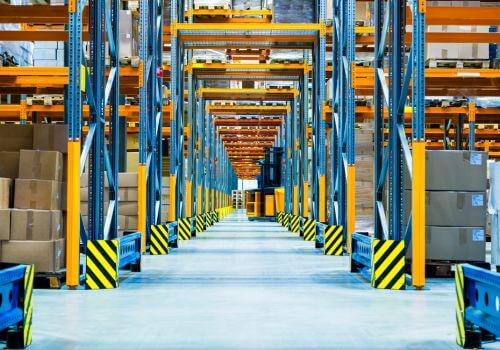
Warehouse layout plays a major role. Poorly organized layouts increase travel time between picks. Efficient slotting strategies that place fast-moving items near packing stations can significantly improve pick speed.
Technology also impacts performance. Warehouses using barcode scanners, mobile devices, or pick-to-light systems often achieve higher pick rates because workers receive clear instructions and make fewer mistakes.
Worker experience matters as well. New employees typically pick slower than experienced workers. Proper training programs can help new hires reach productivity targets faster.
Product characteristics also affect pick speed. Large, fragile, or hazardous items usually take longer to pick than small standard items.
Order complexity can also impact pick rate. Orders with many different items take longer to complete than simple single-item orders.
Finally, inventory accuracy is critical. If inventory locations are incorrect, workers waste time searching for products. Maintaining accurate inventory records helps sustain strong pick performance.
How Warehouse Technology Improves Pick Rate
Technology has transformed how warehouses improve pick performance. Modern fulfillment centers rely heavily on software and automation to boost productivity.
Warehouse management systems help optimize picking routes. Instead of randomly walking through aisles, workers receive optimized paths that reduce travel time.
Barcode scanning improves both speed and accuracy. Workers can quickly confirm they picked the correct item without manually checking product details.
Voice-picking systems allow workers to receive instructions through headsets. This keeps their hands free and reduces time spent looking at screens.
Pick-to-light systems use visual indicators to guide workers to the correct locations. Lights show exactly where to pick, reducing confusion and speeding up the process.
Automation, such as autonomous mobile robots, can also support picking operations. Robots may transport items or guide workers, allowing them to focus on picking tasks instead of walking long distances.
These technologies do not replace workers. Instead, they help workers become more efficient and productive.
Strategies to Improve Pick Rate
Improving pick rate requires a combination of process improvements, training, and technology adoption.
One effective strategy is slotting optimization. This involves placing high-demand products in easily accessible locations. Fast-moving inventory should be located near packing areas to reduce walking distance.
Batch picking is another useful method. Instead of picking one order at a time, workers pick multiple orders in one trip. This reduces travel time and improves productivity.
Zone picking divides the warehouse into sections. Workers pick items only within their assigned zones. Orders move between zones until complete. This reduces congestion and improves efficiency.
Regular training also helps. Workers who understand warehouse systems and best practices tend to perform more efficiently.
Clear performance goals can also motivate improvement. When employees understand expectations and receive regular feedback, productivity often improves.
Finally, continuous improvement programs help identify bottlenecks. Regular performance reviews allow managers to adjust processes before problems grow.
Pick Rate vs Picking Accuracy
While pick rate focuses on speed, accuracy is equally important. A fast pick rate means little if orders contain errors.
Some warehouses make the mistake of focusing only on speed. This can lead to mistakes that create returns, reshipments, and customer complaints. These problems often cost more than any productivity gains.
The best operations balance speed and accuracy. Performance metrics often include both pick rate and pick accuracy percentages.
Technology helps maintain this balance. Barcode scanning, verification systems, and automated checks help ensure workers pick the right items while maintaining strong productivity.
A good warehouse culture emphasizes doing the job right the first time. This approach protects both operational efficiency and customer satisfaction.
Industry Benchmarks for Pick Rate
Pick rate benchmarks vary widely depending on industry, product type, and technology level. There is no universal standard that applies to every warehouse.
Manual picking operations may average between 60 and 120 picks per hour, depending on product size and travel distance.
Warehouses using advanced systems may reach 150 to 300 picks per hour or more.
Highly automated environments may achieve even higher performance levels because technology reduces travel time and manual work.
Instead of comparing against general benchmarks, many companies establish internal standards based on their specific workflows. Comparing similar operations often provides more meaningful insights than general industry numbers.
The most important goal is continuous improvement rather than chasing unrealistic numbers.
Challenges of Measuring Pick Rate
Although pick rate is useful, it is not always simple to measure fairly.
Different product types can make comparisons difficult. Workers handling bulky items may naturally have lower pick rates than those picking small products.
System downtime can also affect measurements. If warehouse systems slow down, workers may appear less productive even though the issue is outside their control.
Travel distance differences between picking zones can also create unfair comparisons. Some areas may require more walking than others.
To address these challenges, many warehouses group similar tasks together when measuring performance. This creates fairer comparisons and more useful insights.
It is also important to combine pick rate data with qualitative feedback. Talking with workers often reveals operational issues that numbers alone cannot explain.
The Future of Pick Rate Optimization
As logistics technology continues to evolve, pick rate optimization will become even more sophisticated.
Artificial intelligence is beginning to play a role in warehouse optimization. AI can analyze picking patterns and recommend layout improvements.
Robotics will continue supporting warehouse workers by reducing travel time and repetitive tasks.
Wearable technology may also become more common. Smart devices could provide real-time performance feedback and safety alerts.
Predictive analytics may also help warehouses plan staffing levels based on expected order volumes. This ensures consistent pick performance even during busy periods.
Despite these advances, the human element will remain important. Skilled workers supported by good systems will always be the foundation of strong logistics performance.
Conclusion
Pick rate is one of the most important productivity metrics in warehouse logistics. It measures how efficiently workers pick products and helps companies improve fulfillment performance. By understanding pick rate, businesses can identify inefficiencies, reduce costs, and improve customer satisfaction.
Improving pick rate requires more than just asking workers to move faster. Success comes from better warehouse layouts, smart technology, effective training, and balanced performance metrics. Companies that focus on both speed and accuracy often achieve the best long-term results.
As e-commerce continues to grow, efficient fulfillment will remain a competitive advantage. Businesses that understand and optimize pick rate will be better positioned to scale operations and meet customer expectations. Whether you run a small warehouse or a global distribution network, monitoring and improving pick rate can play a major role in operational success.
Frequently Asked Questions
What is a good pick rate in a warehouse?
A good pick rate depends on the type of warehouse, products, and technology used. Manual operations may average around 80 to 120 picks per hour, while technology-supported warehouses may exceed 150 picks per hour. Instead of focusing only on general benchmarks, companies should establish realistic internal targets based on their workflows and continuously work toward gradual improvement.
How can warehouses improve pick rate without adding more workers?
Warehouses can improve pick rate by optimizing layouts, improving slotting strategies, implementing better picking methods like batch picking, and using warehouse technology. Training programs and clear workflows also help workers become more efficient. Small process improvements often lead to significant productivity gains without increasing labor costs.
Does improving pick rate reduce operational costs?
Yes, improving pick rate can reduce costs because higher productivity allows warehouses to process more orders with the same workforce. This improves labor efficiency and reduces the need for overtime or additional hiring. Faster picking also helps reduce order delays, which can lower customer service costs and returns.
Is pick rate more important than picking accuracy?
Pick rate and accuracy are equally important. A high pick rate with poor accuracy can create costly mistakes and damage customer trust. The best warehouses measure both metrics together to ensure workers maintain strong productivity while still fulfilling orders correctly.
What tools are commonly used to track pick rate?
Warehouse management systems are the most common tools used to track pick rates. These systems monitor picking activity, time spent on tasks, and productivity levels. Barcode scanners, mobile picking devices, and voice picking systems also help track performance while improving efficiency and accuracy.