If you are involved in shipping, trucking, or supply chain operations, you have likely heard the term “touch freight.” Whether you are a business owner, a logistics manager, or even a truck driver, understanding touch freight can help you make better decisions, control costs, and improve efficiency.
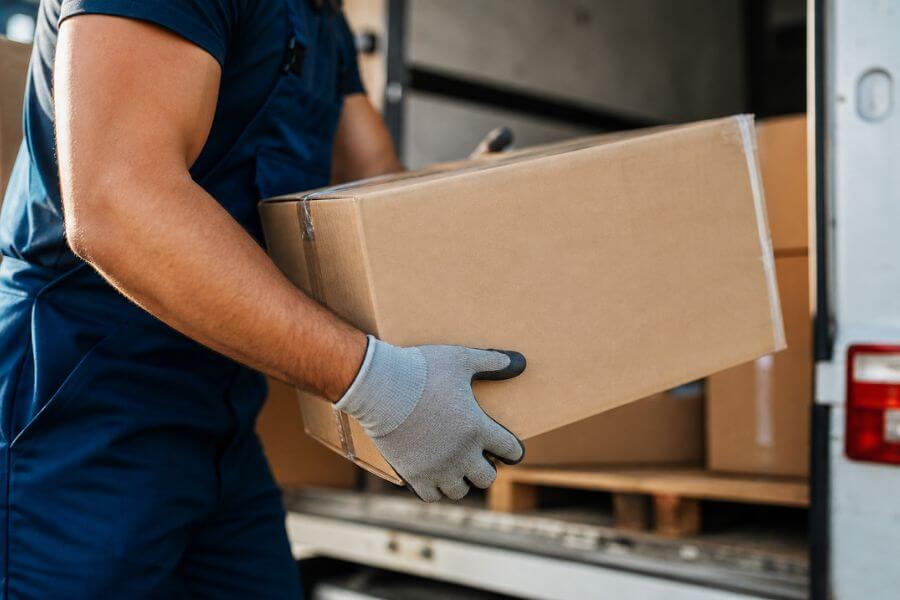
In simple terms, touch freight refers to shipments that require physical handling by the driver. This means the driver is not just transporting goods from point A to point B. Instead, they are actively involved in loading, unloading, or moving the cargo during the delivery process.
In this guide, you will learn what touch freight is, how it works, its pros and cons, and when it makes sense for your logistics operations.
What Is Touch Freight?
Touch freight is a type of freight that requires manual handling by the truck driver. Unlike no-touch freight, where goods are loaded and unloaded by warehouse staff or automated systems, touch freight puts part of that responsibility on the driver.
This can include:
- Loading goods onto the truck
- Unloading goods at the delivery location
- Moving pallets with a pallet jack
- Carrying boxes into a store or warehouse
- Breaking down pallets for delivery
Touch freight is very common in industries like retail, food distribution, and last-mile delivery, where goods need to be placed directly into a store or facility.
Types of Touch Freight
Not all touch freight is the same. Depending on the level of involvement, it can be divided into different types.
Full Touch Freight
In full touch freight, the driver is responsible for most or all of the physical handling. This includes loading at pickup and unloading at delivery.
- Common in small business deliveries
- Often involves hand unloading
- Requires more time and effort
Partial Touch Freight
Here, the driver only handles part of the process. For example, they may unload goods but not load them, or vice versa.
- Shared responsibility between driver and staff
- Less physically demanding than full touch freight
- Still requires planning and coordination
Assisted Touch Freight
In this case, the driver helps with loading or unloading alongside warehouse workers or store employees.
- Team-based approach
- Faster than full touch freight
- Common in large retail chains
Touch Freight vs No Touch Freight
Understanding the difference between touch freight and no touch freight is important when planning shipments or choosing trucking jobs.
Touch Freight
- Driver handles cargo physically
- More time required per stop
- Higher labor involvement
- Often pays more due to extra work
No Touch Freight
- Driver does not handle cargo
- Loading and unloading done by others
- Faster turnaround times
- Less physical strain on drivers
For businesses, the choice between these two depends on cost, speed, and available resources.
How Touch Freight Works in Real Operations
To better understand touch freight, it helps to see how it works in real life. Imagine you are running a retail store that receives daily shipments.
Instead of having a full warehouse team, you rely on drivers to deliver and unload goods directly into your store. The driver arrives, uses a pallet jack, moves items inside, and places them in a designated area. This is a classic example of touch freight.
In food distribution, drivers often deliver to restaurants. They may carry boxes into kitchens or storage areas, which also qualifies as touch freight.
Advantages of Touch Freight
Touch freight offers several benefits, especially for businesses that need flexibility and control.
More Control Over Delivery
With touch freight, you can ensure goods are placed exactly where they are needed. This reduces confusion and saves time for your staff.
Lower Staffing Needs
Since drivers help with loading and unloading, you may not need a large warehouse team at every location.
Better for Small Businesses
Small stores and businesses often lack loading docks or equipment. Touch freight allows deliveries without requiring extra infrastructure.
Improved Customer Experience
Deliveries that include placement inside the facility can improve efficiency and satisfaction for receiving businesses.
Disadvantages of Touch Freight
While touch freight has benefits, it also comes with challenges that you should consider.
Slower Delivery Times
Since drivers spend more time handling goods, each stop takes longer. This can reduce the number of deliveries per day.
Higher Risk of Injury
Manual handling increases the risk of strain or injury for drivers. Proper training and equipment are important.
Increased Labor Costs
Drivers often receive higher pay for touch freight jobs due to the extra work involved.
Potential for Damage
More handling means more chances for goods to be damaged during loading or unloading.
Equipment Used in Touch Freight
Touch freight usually requires basic equipment to make handling easier and safer.
- Pallet jacks for moving pallets
- Hand trucks or dollies for smaller items
- Liftgates for trucks without loading docks
- Straps and braces to secure cargo
Using the right equipment can reduce effort and improve efficiency during deliveries.
When Should You Use Touch Freight?
Touch freight is not always the best option. It works best in certain situations.
Ideal Scenarios
- Deliveries to small businesses without docks
- Retail stores needing goods placed inside
- Food and beverage distribution
- Last mile deliveries
When to Avoid It
- High volume warehouse operations
- Locations with automated loading systems
- Long-haul routes where speed is critical
How to Manage Touch Freight Efficiently
If your business relies on touch freight, managing it well can improve productivity and reduce costs.
Plan Delivery Routes Carefully
Since touch freight takes more time, route planning is very important. Group deliveries by location to save time.
Train Drivers Properly
Drivers should be trained in safe lifting techniques and equipment use. This reduces injuries and improves efficiency.
Use the Right Equipment
Providing tools like pallet jacks and liftgates can make a big difference in delivery speed and safety.
Set Clear Expectations
Make sure both drivers and customers understand what is included in the delivery. This avoids confusion and delays.
Touch Freight and Driver Compensation
Touch freight jobs usually pay more than no-touch freight jobs. This is because they require more effort and time.
Drivers may be paid:
- Higher per-mile rates
- Extra pay per stop
- Hourly wages for loading and unloading time
For companies, offering fair compensation helps attract and retain skilled drivers.
Conclusion
Touch freight plays an important role in modern logistics, especially for businesses that need flexible and hands-on delivery solutions. While it requires more effort from drivers and can slow down operations, it offers greater control and convenience for many types of shipments.
By understanding how touch freight works, its advantages and disadvantages, and when to use it, you can make smarter decisions for your supply chain. Whether you are running a small business or managing a large logistics operation, choosing the right freight type can have a big impact on efficiency and costs.
Frequently Asked Questions
Is touch freight more expensive than no-touch freight?
Yes, touch freight is usually more expensive because it involves additional labor. Drivers are paid more for the extra work, and deliveries take longer, which increases overall costs.
Do all truck drivers handle touch freight?
No, not all drivers handle touch freight. Some prefer no-touch freight jobs because they are less physically demanding. Others choose touch freight for higher pay.
Can touch freight be automated?
Touch freight is mostly manual, but some parts can be supported by equipment like liftgates and pallet jacks. Full automation is difficult because it often involves placing goods in specific locations.
Is touch freight suitable for fragile goods?
It can be, but extra care is needed. Since goods are handled more often, proper packaging and careful handling are important to prevent damage.
How can businesses reduce risks in touch freight?
You can reduce risks by:
- Training drivers on safe handling
- Using proper equipment
- Planning efficient routes
- Ensuring clear communication with delivery locations
These steps help improve safety and reduce delays in touch freight operations.