If you are involved in shipping, trucking, or freight operations, you have likely heard the term “chassis” many times. In logistics, a chassis plays a key role in moving containers efficiently between ports, rail yards, and final delivery points. Understanding how chassis work can help you make better decisions, reduce delays, and avoid unexpected costs.
In this guide, you will learn what a chassis is, how it is used, why it matters, and what challenges you might face when dealing with chassis in logistics. Whether you are a shipper, carrier, or business owner, this knowledge will give you a strong foundation.
What Is a Chassis in Logistics?
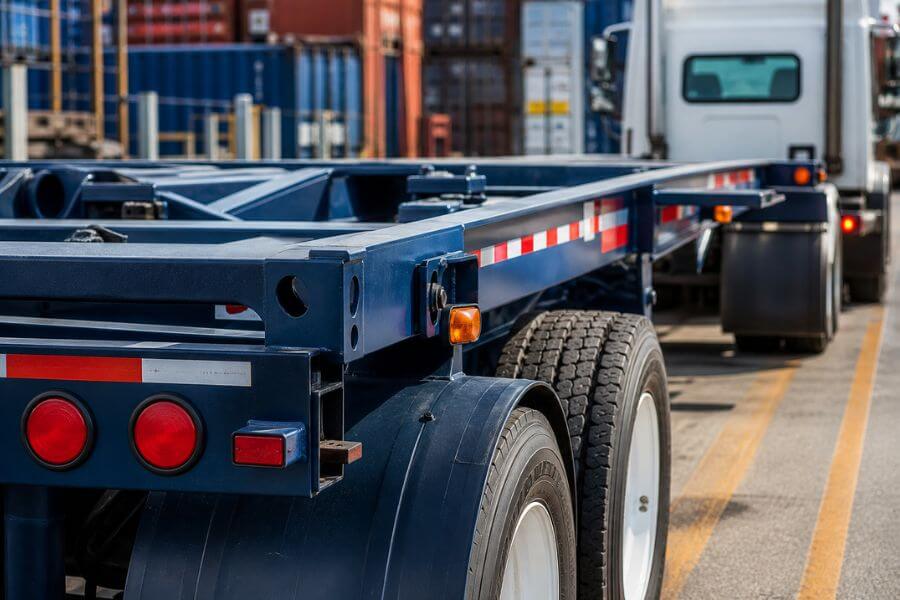
A chassis is a specialized trailer designed to carry shipping containers over the road. It is essentially a steel frame with wheels that allows trucks to transport containers safely and efficiently.
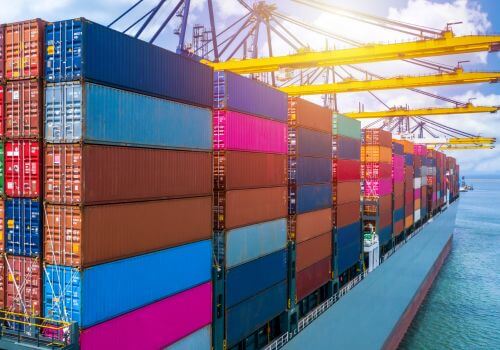
Unlike standard trailers, a chassis does not have walls or a roof. Instead, it is built to support intermodal containers, which are the large metal boxes you see stacked on ships, trains, and trucks.
- It supports containerized cargo
- It connects easily to trucks for transport
- It allows seamless movement between transport modes
Why Chassis Are Important in Logistics
Chassis are critical because they enable intermodal transportation. This means goods can move across ships, trains, and trucks without unloading the cargo inside the container.
Without a chassis, containers would need to be unpacked and repacked at every transfer point, which would increase time, labor, and costs.
- Speeds up container movement
- Reduces handling and damage risk
- Improves supply chain efficiency
- Supports global trade operations
How Chassis Work in the Supply Chain
To understand how chassis fit into logistics, it helps to follow a typical shipment journey.
- A container arrives at a port by ship
- The container is placed onto a chassis
- A truck hauls the chassis to a warehouse or rail yard
- The container is unloaded or transferred to another mode of transport
This process allows containers to move quickly without needing to unload the goods inside. The chassis acts as the bridge between different transportation methods.
Types of Chassis Used in Logistics
Not all chassis are the same. Different types are designed for specific container sizes and cargo needs.
Standard Chassis
These are the most common and are used for standard 20-foot and 40-foot containers.
Extendable Chassis
These chassis can adjust in length to accommodate different container sizes. They offer flexibility but may require more maintenance.
Tri-Axle Chassis
These have three axles instead of two, allowing them to carry heavier loads while staying within legal weight limits.
Gooseneck Chassis
Designed with a lower deck, these are used for taller containers, such as high-cube containers.
Who Owns and Provides Chassis?
Chassis ownership has changed over time. In the past, ocean carriers often provided chassis. Today, most chassis are owned or managed by specialized leasing companies or pools.
- Chassis leasing companies
- Chassis pools shared among multiple users
- Trucking companies with their own equipment
As a shipper or carrier, you may need to rent or lease a chassis depending on your logistics setup.
Chassis Pools Explained
A chassis pool is a shared system where multiple users can access chassis equipment. This model improves availability and reduces the need for each company to own its own chassis.
Benefits of chassis pools include:
- Better equipment availability
- Reduced costs for individual companies
- More efficient use of resources
However, shortages can still happen during peak shipping seasons.
Common Challenges with Chassis in Logistics
While chassis are essential, they can also create operational challenges if not managed properly.
Chassis Shortages
At busy ports or during peak seasons, there may not be enough chassis available. This can delay shipments and increase costs.
Maintenance Issues
Chassis must be properly maintained to ensure safety. Problems like worn tires or faulty brakes can lead to delays or accidents.
Location Imbalances
Sometimes chassis are concentrated in one area while needed in another. This imbalance can disrupt supply chains.
Extra Fees
You may encounter additional costs such as:
- Per diem charges
- Rental fees
- Usage surcharges
Chassis Fees and Costs
Understanding chassis-related costs is important for budgeting and planning.
Common fees include:
- Daily rental fees: Charged for using the chassis
- Per diem charges: Fees for keeping equipment longer than allowed
- Maintenance fees: Costs related to repairs and upkeep
Managing these costs effectively can help you avoid unnecessary expenses.
Best Practices for Managing Chassis
To reduce problems and improve efficiency, you should follow some best practices when dealing with chassis.
- Plan ahead to secure chassis during peak periods
- Inspect equipment before use
- Track chassis usage and return times
- Work with reliable chassis providers
- Use technology to monitor equipment location
These steps can help you avoid delays and keep your operations running smoothly.
Technology and the Future of Chassis Management
Technology is changing how chassis are managed in logistics. Digital tracking and data systems are making it easier to monitor equipment and improve efficiency.
Some innovations include:
- GPS tracking for real-time location
- Digital booking systems for chassis reservations
- Data analytics to predict demand and shortages
As logistics continues to evolve, these tools will play a bigger role in reducing delays and improving supply chain performance.
Conclusion
A chassis may seem like a simple piece of equipment, but it plays a vital role in the logistics industry. It allows containers to move smoothly between ships, trains, and trucks, making global trade possible.
By understanding how chassis work, the types available, and the challenges involved, you can make better decisions and improve your logistics operations. Whether you are managing shipments or running a trucking business, paying attention to chassis management can save you time and money.
Frequently Asked Questions
How long can you keep a chassis before extra charges apply?
The allowed time varies by provider, but you should always check your agreement. In general:
- Free usage time is limited
- Extra days may result in per diem fees
- Returning equipment on time helps avoid added costs
Can a chassis carry different container sizes?
Some chassis can handle multiple container sizes, especially extendable ones. However:
- Standard chassis are built for specific sizes
- Using the wrong type can cause safety issues
- Always match the chassis to the container size
Who is responsible for chassis damage?
Responsibility usually depends on who is using the chassis at the time of damage.
- The motor carrier is often responsible during transport
- Inspection before use is important
- Reporting damage quickly can prevent disputes
Why do chassis shortages happen?
Shortages occur when demand exceeds supply. Common reasons include:
- High shipping volumes
- Port congestion
- Poor equipment distribution
Is it better to own or lease chassis?
The choice depends on your business needs.
- Leasing offers flexibility and lower upfront costs
- Owning provides long-term control
- Many companies use a mix of both