Importing goods is a major part of global trade. Every day, businesses move products across borders to meet customer demand, grow revenue, and expand into new markets. In the logistics industry, the importer plays a central role in making this process work smoothly.
If you buy products from another country for resale, manufacturing, or business use, you are considered an importer. Understanding how importing works can help you avoid delays, reduce costs, and stay compliant with international trade rules.
In this guide, you will learn what an importer is, what responsibilities importers have, how the importing process works, common challenges, and tips for successful importing in logistics.
What Is an Importer?
An importer is a person, company, or organization that purchases goods from another country and brings them into their own country for sale, manufacturing, distribution, or business operations.
Importers are responsible for making sure goods move legally and efficiently through customs and transportation systems.
For example:
- A retail business importing electronics from China
- A car manufacturer importing vehicle parts from Germany
- A clothing store importing fashion products from Italy
- A food distributor importing coffee beans from Brazil
Quick Summary Table
| Topic | Details |
|---|---|
| Definition | A business or person bringing goods into a country |
| Main Role | Purchase and receive international goods |
| Key Responsibilities | Customs clearance, taxes, compliance, documentation |
| Common Documents | Commercial invoice, bill of lading, packing list, import license |
| Main Costs | Duties, freight, insurance, warehousing, customs fees |
| Transport Methods | Ocean freight, air freight, rail, trucking |
| Biggest Challenges | Delays, regulations, shipping costs, damaged goods |
| Industries Using Importing | Retail, manufacturing, automotive, healthcare, food |
Why Importers Are Important in Logistics
Importers are essential to the global supply chain. Without importers, businesses would struggle to access products, raw materials, and equipment from overseas markets.
Importers help:
- Increase product variety in local markets
- Reduce manufacturing costs
- Support international trade growth
- Create business expansion opportunities
- Maintain supply chain continuity
Many industries rely heavily on importing to keep operations running efficiently.
Main Responsibilities of an Importer
An importer handles several important tasks during the shipping and customs process.
Product Sourcing
Importers find overseas suppliers that can provide quality products at competitive prices.
This may involve:
- Supplier research
- Negotiating prices
- Checking product quality
- Managing contracts
Customs Compliance
Importers must follow import laws and regulations in their country.
This includes:
- Paying duties and taxes
- Providing accurate documentation
- Meeting product safety standards
- Following labeling requirements
Transportation Coordination
Importers work with freight forwarders, carriers, and logistics providers to move goods internationally.
Transportation planning includes:
- Selecting shipping methods
- Managing delivery timelines
- Tracking shipments
- Handling warehousing
Risk Management
Importers must protect goods from loss, damage, theft, or delays.
Common protection methods include:
- Cargo insurance
- Supplier verification
- Quality inspections
- Backup suppliers
How the Importing Process Works
The importing process involves several steps from supplier selection to final delivery.
1. Finding a Supplier
The importer identifies a foreign supplier that offers the needed products.
2. Negotiating Terms
Both parties agree on:
- Pricing
- Payment terms
- Shipping method
- Delivery schedule
- Incoterms
3. Preparing Documents
The supplier and importer prepare shipping and customs documents.
4. Shipping the Goods
The cargo is transported through air, sea, rail, or road freight.
5. Customs Clearance
Customs authorities inspect the shipment and verify documents before releasing the cargo.
6. Final Delivery
The goods are delivered to the importer’s warehouse, store, or manufacturing facility.
Common Documents Used by Importers
Documentation is a critical part of importing. Missing or incorrect paperwork can cause major delays.
| Document | Purpose |
|---|---|
| Commercial Invoice | Shows product value and transaction details |
| Packing List | Lists package contents and dimensions |
| Bill of Lading | Acts as shipment receipt and transport contract |
| Certificate of Origin | Shows where the goods were manufactured |
| Import License | Allows importing of regulated goods |
| Customs Declaration | Provides shipment details to customs authorities |
Types of Importers
Importers can operate in different ways depending on their business model.
- Direct Importers: These businesses purchase goods directly from overseas manufacturers.
- Wholesale Importers: These importers buy large quantities and sell products to retailers or distributors.
- Retail Importers: Retailers import products directly for sale to consumers.
- Industrial Importers: Manufacturers import raw materials, machinery, or components for production.
Common Shipping Methods Used by Importers
Ocean Freight
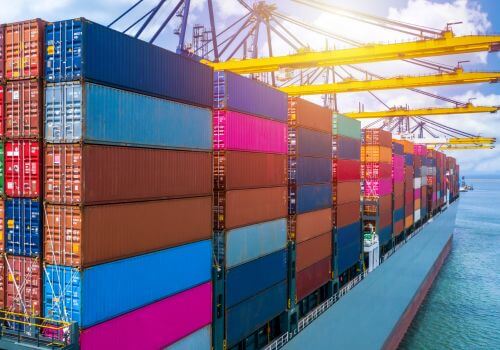
Ocean shipping is commonly used for large and heavy shipments.
Advantages include:
- Lower shipping costs
- Large cargo capacity
- Suitable for bulk goods
Disadvantages include:
- Longer transit times
- Port congestion risks
Air Freight
Air freight is ideal for urgent or high-value shipments.
Advantages include:
- Fast delivery
- Better shipment security
- Reliable schedules
Disadvantages include:
- Higher transportation costs
- Limited cargo space
Rail Freight
Rail transport is often used for regional international trade.
Road Freight
Trucking is used for cross-border deliveries and local transportation.
Costs Importers Should Expect
Importing involves more than just product costs. Importers must plan for several logistics expenses.
- Freight charges
- Import duties
- Customs brokerage fees
- Insurance costs
- Port handling fees
- Storage and warehousing fees
- Inspection costs
- Local transportation expenses
Understanding these costs helps you avoid unexpected financial problems.
Common Challenges Faced by Importers
- Customs Delays: Incorrect paperwork or inspections can slow shipment release.
- Changing Regulations: Import laws can change frequently depending on trade policies.
- Shipping Disruptions: Weather issues, port congestion, and labor strikes can affect delivery schedules.
- Currency Fluctuations: Exchange rate changes may increase importing costs.
- Product Quality Problems: Imported goods may not always meet expected quality standards.
How Importers Work With Logistics Providers
Importers often partner with logistics companies to simplify international shipping.
Common logistics partners include:
- Freight forwarders
- Customs brokers
- Warehousing providers
- Trucking companies
- Shipping carriers
These partners help manage transportation, compliance, and inventory operations.
Tips for Successful Importing
- Choose Reliable Suppliers: Research supplier reputation, certifications, and production capabilities before placing large orders.
- Understand Import Regulations: Learn your country’s customs rules and restricted product categories.
- Use Clear Contracts: Detailed agreements reduce misunderstandings with suppliers.
- Track Shipments Regularly: Shipment visibility helps you respond quickly to delays or disruptions.
- Work With Experienced Logistics Partners: Professional freight forwarders and customs brokers can reduce mistakes and improve efficiency.
Technology Used by Modern Importers
Many importers now use digital tools to improve logistics operations.
Popular technologies include:
- Shipment tracking software
- Warehouse management systems
- Inventory management platforms
- Electronic customs filing systems
- Supply chain analytics tools
Technology helps importers reduce delays, improve accuracy, and lower operating costs.
Importer vs Exporter
| Importer | Exporter |
|---|---|
| Brings goods into a country | Sends goods to another country |
| Pays import duties and taxes | Handles export documentation |
| Works with customs authorities for entry | Works with customs authorities for departure |
| Receives international products | Sells products internationally |
Conclusion
An importer plays a critical role in the logistics industry by bringing international products into local markets. Importers manage sourcing, shipping, customs clearance, compliance, and delivery operations.
Whether you run a small retail business or a large manufacturing company, understanding the importing process can help you reduce costs, avoid delays, and improve supply chain performance.
Successful importing depends on strong supplier relationships, proper documentation, reliable logistics partners, and careful planning. As global trade continues to grow, importers will remain an important part of the international logistics network.
Frequently Asked Questions
Can small businesses become importers?
Yes, small businesses can import goods from overseas suppliers.
- Many small companies import products in low quantities
- E-commerce businesses commonly import inventory
- Freight forwarders can help simplify the process
Do importers always need a customs broker?
No, but customs brokers are highly recommended.
- They help manage customs paperwork
- They reduce the risk of compliance errors
- They can speed up customs clearance
What products usually require import licenses?
Certain regulated products may require government approval.
- Food products
- Medical equipment
- Chemicals
- Firearms
- Agricultural goods
How can importers reduce shipping costs?
Importers can lower costs through better planning and logistics management.
- Combine shipments
- Use ocean freight for large cargo
- Negotiate carrier contracts
- Optimize packaging size and weight
What happens if imported goods fail customs inspection?
Customs authorities may take several actions.
- Hold the shipment for review
- Request additional documents
- Issue fines or penalties
- Reject or destroy restricted goods