In global logistics, moving goods from one place to another is not always a straight journey. Often, shipments pass through multiple locations before reaching their final destination. This process is known as transshipment. If you are involved in e-commerce, freight forwarding, or supply chain management, understanding transshipment can help you reduce costs, improve delivery times, and manage international shipping more efficiently. In this guide, you will learn what transshipment is, how it works, its benefits and challenges, and how you can use it to optimize your logistics operations.
What Is Transshipment in Logistics?
Transshipment is the process of transferring cargo from one mode of transport to another, or from one vessel to another, at an intermediate location before it reaches its final destination. Instead of shipping goods directly from origin to destination, your cargo may stop at a hub or port where it is reloaded and sent onward.
This process is very common in international shipping, especially when direct routes are not available or are too expensive. For example, goods shipped from Asia to South America may first stop at a major port in North America before continuing their journey.
How Transshipment Works
Understanding how transshipment works can help you plan your logistics strategy better. The process usually follows a few key steps:
- Initial transport: Your goods are shipped from the origin point to a transshipment hub.
- Arrival at hub: The cargo arrives at an intermediate port, warehouse, or distribution center.
- Unloading and sorting: Goods are unloaded and sorted based on their next destination.
- Reloading: Cargo is loaded onto another truck, ship, train, or plane.
- Final transport: The shipment continues to its final destination.
This process can happen once or multiple times, depending on the shipping route and complexity of the supply chain.
Types of Transshipment
There are different types of transshipment depending on how and where the transfer takes place. Knowing these types can help you choose the right option for your business.
- Port transshipment: Cargo is transferred between ships at a seaport.
- Inland transshipment: Goods are moved between trucks, trains, or warehouses inland.
- Air transshipment: Shipments are transferred between flights at an airport hub.
- Intermodal transshipment: Cargo moves between different transport modes, such as from ship to truck or train.
Why Transshipment Is Used
You might wonder why businesses choose transshipment instead of direct shipping. The answer lies in flexibility and cost savings.
- Access to more routes: Not all locations have direct shipping connections.
- Cost efficiency: Consolidating shipments through hubs can reduce overall costs.
- Better capacity management: Large carriers use hubs to optimize space and scheduling.
- Global reach: Transshipment allows you to ship to remote or less accessible regions.
For e-commerce businesses, this means you can expand your market reach without needing direct shipping lanes.
Advantages of Transshipment
When used correctly, transshipment can bring several benefits to your logistics operations.
- Lower shipping costs: Using major hubs can reduce freight rates.
- Improved flexibility: You can adjust routes based on demand or disruptions.
- Scalability: Easier to handle growing shipment volumes.
- Access to global networks: Connect to international markets more easily.
These advantages make transshipment a key strategy for global supply chains.
Challenges of Transshipment
While transshipment offers many benefits, it also comes with challenges that you should be aware of.
- Longer transit times: Additional stops can delay delivery.
- Higher risk of damage: More handling increases the chance of damage.
- Complex coordination: Requires careful planning and tracking.
- Potential delays: Congestion at hubs can slow down shipments.
To overcome these challenges, you need strong logistics partners and reliable tracking systems.
Transshipment vs Direct Shipping
Choosing between transshipment and direct shipping depends on your priorities.
- Direct shipping:
- Faster delivery
- Less handling
- Higher cost in many cases
- Transshipment:
- More cost-effective
- Flexible routing
- Longer transit time
If speed is critical, direct shipping may be better. If cost and flexibility matter more, transshipment is often the smarter choice.
Common Transshipment Hubs
Some locations are known as major transshipment hubs because of their strategic position and advanced infrastructure. These hubs handle large volumes of cargo and connect multiple global routes.
- Singapore
- Dubai
- Hong Kong
- Rotterdam
- Los Angeles
Using these hubs can improve efficiency and reduce costs due to their strong logistics networks.
Best Practices for Managing Transshipment
To get the most out of transshipment, you should follow a few best practices.
- Work with reliable partners: Choose experienced freight forwarders.
- Use tracking systems: Monitor your shipments in real time.
- Plan for delays: Build buffer time into your schedule.
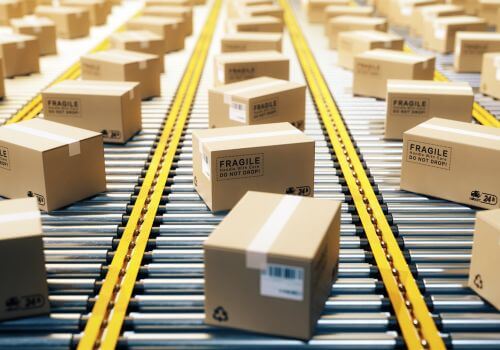
- Optimize packaging: Protect goods from multiple handling points.
- Understand regulations: Different countries have different rules.
By following these steps, you can reduce risks and improve your overall logistics performance.
Conclusion
Transshipment is an essential part of modern logistics, especially in global trade. It allows you to move goods efficiently across long distances, even when direct routes are not available. While it may add complexity and time to your shipping process, the cost savings and flexibility often make it worthwhile. By understanding how transshipment works and applying best practices, you can optimize your supply chain and expand your business to new markets. Whether you are running an e-commerce store or managing large-scale logistics operations, transshipment can be a powerful tool when used correctly.
Frequently Asked Questions
Is transshipment more expensive than direct shipping?
Not always. In many cases, transshipment is more cost-effective because it uses major hubs and consolidated shipping routes. However, costs can vary depending on distance, handling fees, and the number of transfers involved.
Does transshipment increase delivery time?
Yes, transshipment usually adds extra time because the cargo stops at one or more intermediate locations. However, efficient hubs and good planning can help minimize delays.
Is transshipment safe for fragile goods?
It can be safe if proper packaging is used. Since goods are handled multiple times, you should use strong and protective packaging to reduce the risk of damage.
Can small businesses use transshipment?
Yes, small businesses can benefit from transshipment, especially when shipping internationally. It allows access to global markets without needing direct shipping routes.
How can I track shipments during transshipment?
You can track shipments using logistics software or tracking systems provided by your carrier or freight forwarder. These tools give you real-time updates at each stage of the journey.